Bridging the Gap: Why Your Bank Teller Speaking the Local Language Matters
Ever felt a disconnect walking into a bank in your own neighborhood? You’re surrounded by familiar sights and sounds, yet something feels…off? For many Indians, that ‘off’ feeling stems from a simple, yet crucial, communication barrier: not being able to easily converse with bank staff in their local language. It’s more than just a convenience; it’s about financial inclusion and feeling respected.
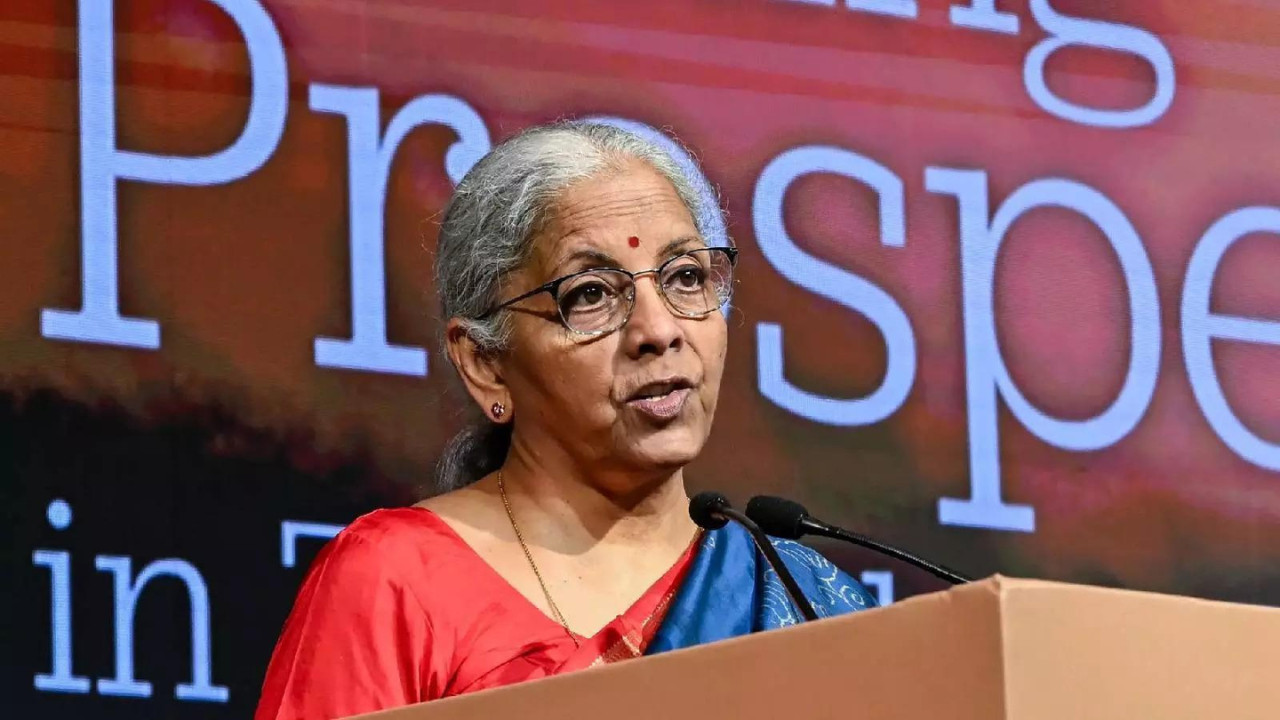
Recently, the Finance Minister drove home this very point, urging banks to prioritize having staff proficient in the local language. This isn’t just about being polite; it’s about making banking services genuinely accessible to everyone, particularly in rural and semi-urban areas where reliance on regional languages is paramount.
But why now? And what’s the big deal anyway?
Imagine you’re a farmer seeking a loan. You’re already navigating a complex system, filling out forms, and understanding interest rates. Now, imagine doing all of that in a language you’re not entirely comfortable with. The anxiety skyrockets, the potential for misunderstanding increases, and the whole process becomes daunting. This is the reality for many.
Financial literacy is already a challenge. Adding a language barrier only exacerbates the problem, pushing people further away from formal banking channels and potentially towards less secure, informal lending options. This directive isn’t just about smoother transactions; it’s about empowering individuals and fostering financial security.
<img src="image-of-woman-talking-to-bank-teller.jpg" alt="A woman smiles as she speaks with a bank teller who is fluent in the local language.”/>

Local Language Proficiency: More Than Just a Skill
The government’s push reflects a broader understanding that banking is a service industry. And like any service, effective communication is key. It’s about building trust and rapport. When a bank teller speaks your language, it signals respect, understanding, and a genuine willingness to help. It transforms a transactional experience into a personal one.
This initiative could be a game-changer for financial inclusion. By breaking down language barriers, banks can tap into a wider customer base, especially in underserved communities. It encourages more people to open accounts, access credit, and participate in the formal economy. It’s about bringing the bank to the people, not the other way around.
Implementing the Change: Challenges and Opportunities
Of course, implementing such a widespread change isn’t without its challenges. Banks will need to invest in training programs to upskill existing staff in local languages. They may also need to prioritize hiring individuals with the necessary linguistic abilities. Furthermore, in areas with multiple prevalent languages, finding staff proficient in all of them could prove difficult.
However, these challenges also present opportunities. Investing in language training can enhance employee skills and boost morale. Prioritizing local language skills can also make banks more attractive employers in the communities they serve, strengthening their local ties and attracting talent.
This isn’t just about compliance; it’s about creating a more inclusive and customer-centric banking environment.
Beyond the Teller: A Holistic Approach
While focusing on bank tellers is a crucial first step, the Finance Minister’s suggestion hints at a need for a more holistic approach. This includes providing customer service materials, forms, and online banking platforms in local languages. It’s about ensuring that every touchpoint with the bank is accessible and understandable. Think translated brochures, multilingual ATMs, and even interactive voice response (IVR) systems that cater to different languages.

This initiative has the potential to revolutionize the way banks interact with their customers, particularly in rural and semi-urban areas. By bridging the communication gap, banks can foster greater financial inclusion, empower individuals, and contribute to a more equitable society.
Consider exploring other government initiatives to promote financial literacy on our site for a comprehensive understanding of how India is working to improve its citizens’ financial well-being.
Ultimately, the success of this initiative hinges on the commitment of banks to embrace this change, not just as a directive, but as an opportunity to connect with their customers on a deeper level and build a more inclusive financial landscape. The future of banking in India hinges on more than just interest rates and account types; it depends on the ability to connect, communicate, and cater to the diverse linguistic needs of its population.