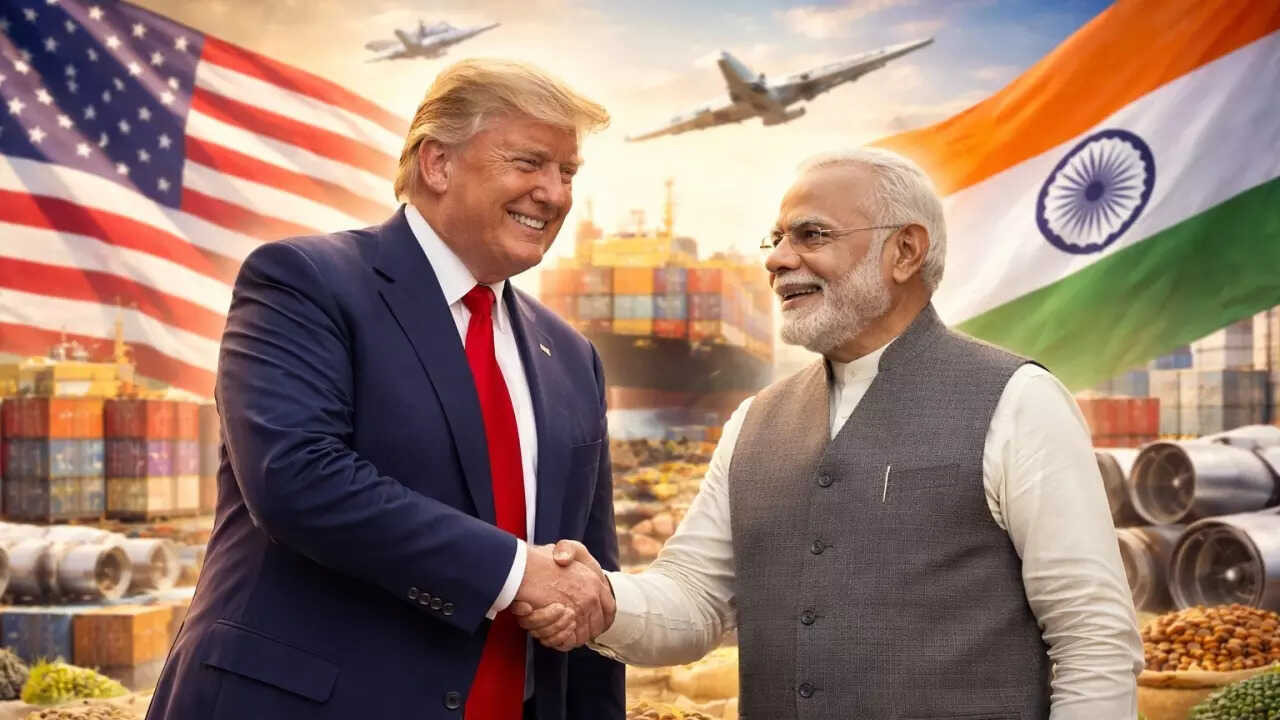
China’s October exports saw a significant 25% drop to the US, contributing to a 1.1% global decline, the weakest since February. This downturn highlights continued reliance on American buyers despite efforts to diversify markets. A recent trade agreement between the US and China may offer a modest boost to exports in the coming quarters.
The Global Trade Tightrope: What China’s Export Dip Really Means
The global economic landscape feels a bit like walking a tightrope lately, doesn’t it? One stumble in a major economy can send ripples across the world. And recently, China’s trade figures have given the markets a bit of a wobble. October saw a surprising dip in China’s exports, and it’s a development worth unpacking. It’s not just about numbers on a spreadsheet; it reflects deeper shifts in global demand and the ongoing impact of trade tensions.
We’re talking about a 6.4% year-on-year fall in exports, a steeper decline than many economists anticipated. This isn’t just a minor blip; it’s a fairly significant slowdown, raising questions about the health of the global economy and the effectiveness of current trade policies. Imports also contracted, although at a slower rate.
Decoding the Drop: Why are China’s Exports Slipping?
Several factors are likely contributing to this downturn. Let’s break them down:
* Cooling Demand from Key Markets: A major piece of the puzzle is the weakening demand from the United States and Europe, two of China’s biggest export destinations. High inflation, rising interest rates and general economic uncertainty in these regions have dampened consumer spending and business investment, directly impacting the demand for Chinese goods.
* The Trump-Era Tariff Hangover: While the political landscape has shifted, the tariffs imposed by the Trump administration on Chinese goods haven’t entirely disappeared. These tariffs continue to make Chinese products more expensive for American consumers, impacting export volumes.

* Global Economic Slowdown: The International Monetary Fund and World Bank have repeatedly warned about a potential global slowdown, and these recent trade figures seem to be reflecting that. As global economic activity cools, demand for goods and services naturally decreases.
* Shifting Supply Chains: Companies are increasingly diversifying their supply chains, seeking alternative manufacturing hubs in Southeast Asia and other regions. This trend, driven by geopolitical concerns and the desire for greater resilience, is gradually reducing reliance on China as the sole manufacturing powerhouse.

Beyond the Headlines: The Wider Implications
So, what does this all mean for the rest of us?
* Potential for Further Policy Adjustments: The Chinese government is likely to respond to these figures with further stimulus measures aimed at boosting domestic demand and supporting export-oriented industries. Keep an eye out for potential interest rate cuts, tax breaks, and infrastructure spending initiatives.
* Increased Trade Tensions: These figures could potentially reignite trade tensions between China and its major trading partners, particularly the US. There’s a risk of further tariff increases or other trade barriers if the situation doesn’t improve.

* Impact on Emerging Markets: Countries that rely heavily on exporting raw materials to China could also feel the pinch. A slowdown in Chinese demand could lead to lower commodity prices, impacting their economies. We explored the impact of global economic shifts on related markets in our piece on [supply chain vulnerabilities](https://example.com/supply-chain-vulnerabilities).
* Opportunity for Diversification: For businesses, this situation underscores the importance of diversifying markets and supply chains. Relying too heavily on a single country or region can expose businesses to significant risks.
Navigating the Uncertainty: What’s Next for China’s Export Economy?
Predicting the future is always a tricky business, but one thing is clear: the global trade landscape is becoming increasingly complex. China’s recent export dip serves as a reminder of the interconnectedness of the global economy and the challenges of navigating geopolitical tensions and shifting demand patterns. Whether this is a temporary stumble or a sign of deeper structural issues remains to be seen, but it’s a development that deserves close attention. Businesses and policymakers alike need to remain agile, adaptable, and prepared to navigate the evolving global trade environment.