China is introducing a new licensing system for rare earth exports, aiming for a faster and easier process. While this offers longer validity and potentially larger volumes, it does not remove existing restrictions, falling short of US expectations for a full rollback. The new permits are expected before year-end, but obtaining them may remain challenging for certain sectors.
China’s Rare Earths Strategy: A Calculated Game of Supply and Demand
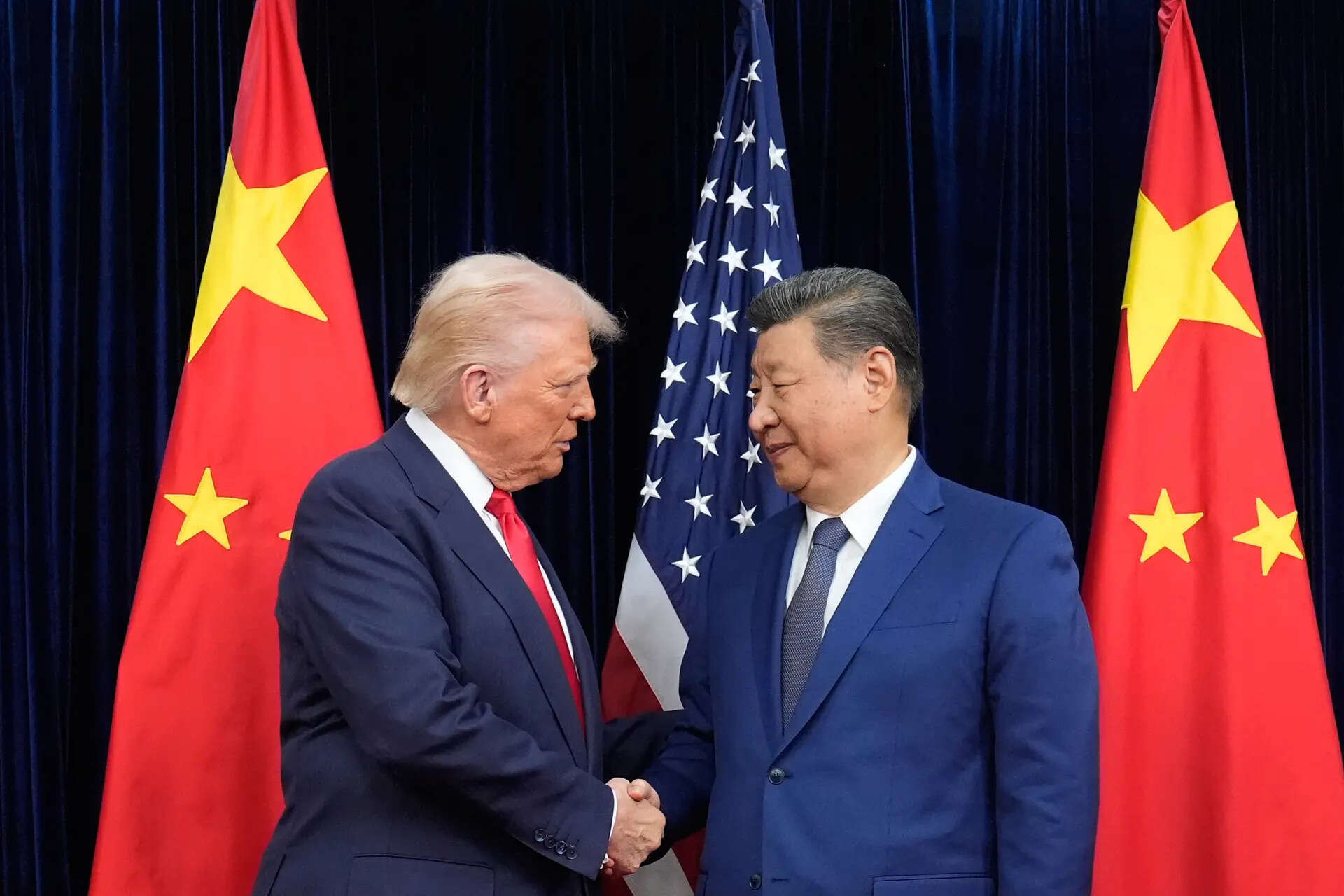
The whispers of easing restrictions on rare earth exports from China have been silenced, replaced by the louder reality of strategic control. For industries reliant on these crucial materials, particularly those in the US and Europe banking on a full rollback of export limits, it’s time to recalibrate expectations. What appeared to be a potential thaw in trade relations now looks more like a calculated maneuver, a reminder of China’s dominance in the global rare earths market.
Rare earth elements (REEs) are the unsung heroes of modern technology. They’re not exactly rare in terms of abundance in the Earth’s crust, but economically viable deposits are concentrated in specific regions, with China holding a considerable lead. These elements are critical components in everything from smartphones and electric vehicles to wind turbines and defense systems. This strategic importance gives China significant leverage on the world stage.
The hope for relaxed restrictions stemmed from positive, albeit fleeting, signals. However, recent developments paint a different picture. Instead of opening the floodgates, China seems poised to maintain a tight grip on its rare earth resources, using them as both an economic tool and a means of asserting its influence.
Why a Full Rollback Was Always a Long Shot
Several factors contributed to the unlikelihood of a complete reversal of export restrictions. Firstly, China has been actively consolidating its rare earth industry, aiming to improve efficiency, reduce environmental impact, and, crucially, enhance its control over pricing and output. Loosening export controls would undermine these efforts.
Secondly, the global geopolitical landscape remains tense. Trade disputes and strategic competition, particularly with the US, are ongoing. Rare earths have become a key battleground, and China is unlikely to relinquish its advantage willingly. Retaining control over supply allows it to respond strategically to perceived threats or unfair practices from other nations.
Finally, environmental concerns play a significant role. Rare earth mining and processing can be environmentally damaging. By maintaining restrictions, China can argue that it is prioritizing environmental sustainability and responsible resource management, even if the underlying motive is strategic control. It’s about managing the narrative as much as managing the resources themselves.

What This Means for the Global Economy
The implications of China’s continued control over rare earth exports are far-reaching. Industries reliant on these materials will need to explore alternative strategies to secure their supply chains. This includes diversifying sourcing, investing in recycling technologies, and developing alternative materials that can replace rare earths in certain applications.
For companies in the electric vehicle sector, for example, this could mean accelerating research into motor designs that use less or no rare earth elements. Similarly, the renewable energy industry might need to explore alternative turbine designs or source rare earths from countries beyond China.
The US and Europe, in particular, will need to ramp up their efforts to develop domestic rare earth mining and processing capabilities. This requires significant investment, technological innovation, and a commitment to sustainable and environmentally responsible practices. It also means streamlining the permitting process for mining projects, a notoriously slow and complex process in many Western countries.
Investing in rare earth recycling is another crucial avenue. Electronic waste contains valuable rare earth elements that can be recovered and reused. This not only reduces reliance on primary mining but also promotes a circular economy and reduces environmental impact. See our article on [sustainable sourcing strategies](internal-link-to-related-content).

Navigating the New Rare Earths Reality
China’s continued control over rare earth exports presents challenges, but also opportunities. It forces companies and nations to become more resilient, innovative, and sustainable in their approach to resource management.
It’s a wake-up call to diversify supply chains, invest in alternative technologies, and prioritize responsible resource management. The era of relying solely on a single source for critical materials is over. The future belongs to those who can adapt, innovate, and build resilient supply chains that are less vulnerable to geopolitical shifts.
The landscape of rare earth elements is undoubtedly complex, and its future remains to be seen. One thing is certain: navigating this new reality requires a proactive, strategic, and collaborative approach.