Telecom operators are testing a new Calling Name Presentation (CNAP) service in Haryana and Himachal Pradesh, allowing mobile users to see the registered names of unknown callers. This initiative, directed by the Department of Telecommunications, aims to combat spam and scam calls by displaying caller identities, with a nationwide rollout anticipated by March-April next year.
Goodbye, Unknown Number? India Tests Caller ID Solution to Combat Spam
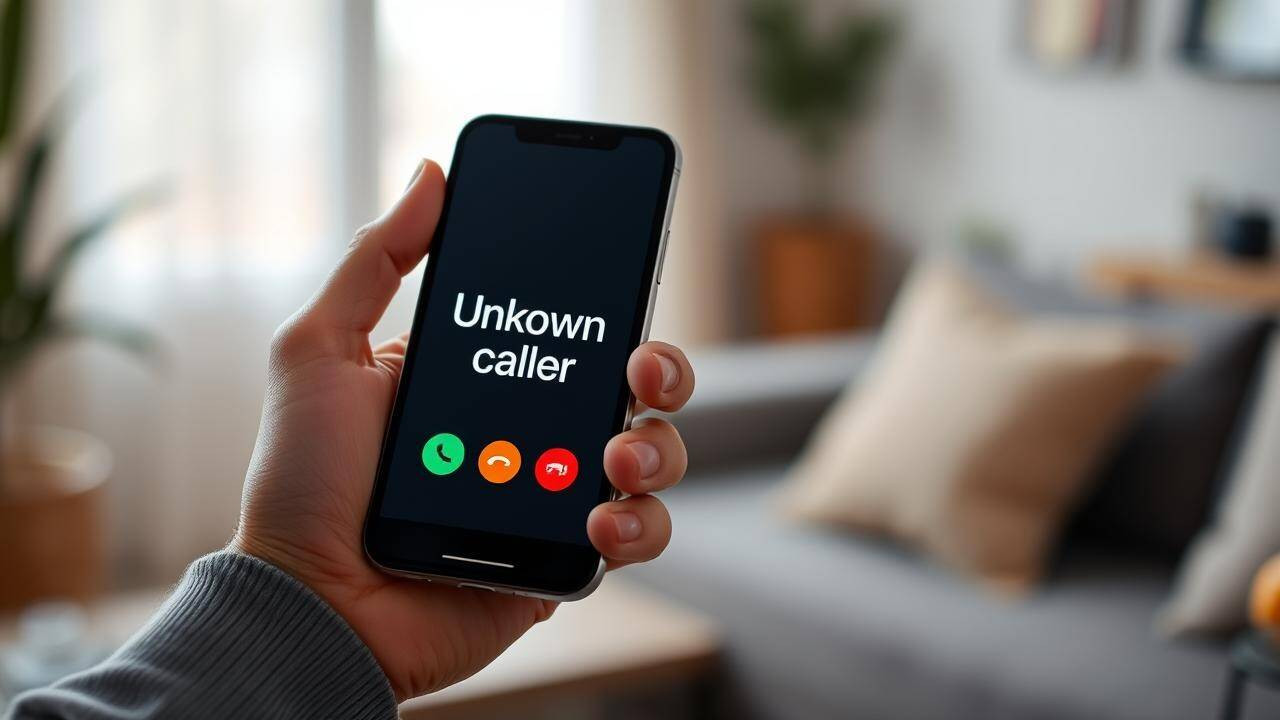
We’ve all been there: the phone rings, an unknown number flashes on the screen, and a sense of dread washes over you. Is it a legitimate call? Or is it another relentless scammer trying to swindle you out of your hard-earned money? This frustrating reality may soon become a thing of the past, thanks to a new initiative being trialed by Indian telecom operators.
Imagine a world where every call you receive displays the verified identity of the caller, regardless of whether they’re in your contacts. That’s the promise of the Caller Name Presentation (CNAP) system, and it’s currently being put through its paces in a series of trials across India. The goal is ambitious: to create a safer and more transparent communication environment for everyone, and put a significant dent in the ever-growing problem of phone scams and unwanted calls.
CNAP: A Game Changer for Phone Security?
These trials are a crucial step towards a potential nationwide rollout of CNAP, tentatively planned for April. The Department of Telecommunications (DoT) has been actively pushing for this system, recognizing the urgent need to address the pervasive issue of spam calls and fraudulent activities. CNAP leverages KYC (Know Your Customer) data already held by telecom operators to accurately identify callers. Unlike existing caller ID apps that rely on crowdsourced information which can be unreliable or easily manipulated, CNAP pulls directly from verified sources, ensuring a much higher degree of accuracy.
The potential impact is enormous. For years, Indians have been bombarded with unwanted calls, ranging from annoying marketing pitches to outright scams that target vulnerable individuals. This constant barrage erodes trust in communication channels and can lead to significant financial losses. By providing a reliable way to identify callers, CNAP empowers users to make informed decisions about which calls to answer and which to ignore.
How the Caller ID Feature Could Transform Communication

The current trials involve collaboration between telecom operators and Truecaller, a popular caller identification app. While Truecaller already offers a form of caller ID, the CNAP system promises a more robust and reliable solution. It’s a shift from relying on community-based reporting to utilizing verified data, addressing a key weakness of existing apps.
Think about the implications: you receive a call from an unfamiliar number, but instead of just seeing digits, the display shows “ABC Bank” or “Dr. Smith’s Office.” This instant verification builds confidence and allows you to answer with greater peace of mind. For businesses, it means improved communication with customers, as legitimate calls are more likely to be answered. For law enforcement, it provides a valuable tool for tracking down and prosecuting scammers.

Addressing Potential Challenges with CNAP
Of course, implementing a system like CNAP is not without its challenges. One key concern is data privacy. Ensuring the security and confidentiality of KYC data is paramount. Robust safeguards must be in place to prevent misuse and unauthorized access. The government and telecom operators will need to work closely to establish clear protocols and regulations that protect user privacy while maximizing the effectiveness of CNAP.
Another potential hurdle is the integration of CNAP across different telecom networks and devices. A seamless and consistent experience is essential for widespread adoption. Technical challenges will need to be addressed to ensure that the system works smoothly regardless of the user’s location, device, or telecom provider. Moreover, public awareness campaigns will be needed to educate users about the benefits of CNAP and how to use it effectively.
The Road Ahead for CNAP

The ongoing trials are a critical step in refining the CNAP system and addressing any potential issues before a nationwide rollout. The success of this initiative hinges on collaboration between government, telecom operators, and technology providers. By working together, they can create a safer and more transparent communication environment for all Indians.
The potential benefits are undeniable: reduced spam calls, increased trust in communication, and protection against financial scams. As the trials progress, the hope is that CNAP will become a powerful tool in the fight against unwanted and fraudulent calls, ushering in a new era of safer and more reliable communication. This initiative represents a significant step towards empowering consumers and reclaiming control over their communication experiences.
Internal link example: Learn more about [data privacy policies](your-data-privacy-policies-page).
Conclusion: A Future Free from Scam Calls?
The implementation of Caller Name Presentation (CNAP) in India holds immense promise for curbing the menace of spam and fraudulent calls. While challenges undoubtedly exist, the potential benefits for individuals and businesses alike are significant. The ongoing trials represent a crucial step toward realizing a future where we can answer our phones with confidence, knowing the identity of the person on the other end. The key will be a carefully managed rollout that prioritizes data privacy and ensures seamless integration across all networks. The future of communication in India may well depend on the success of this bold initiative.