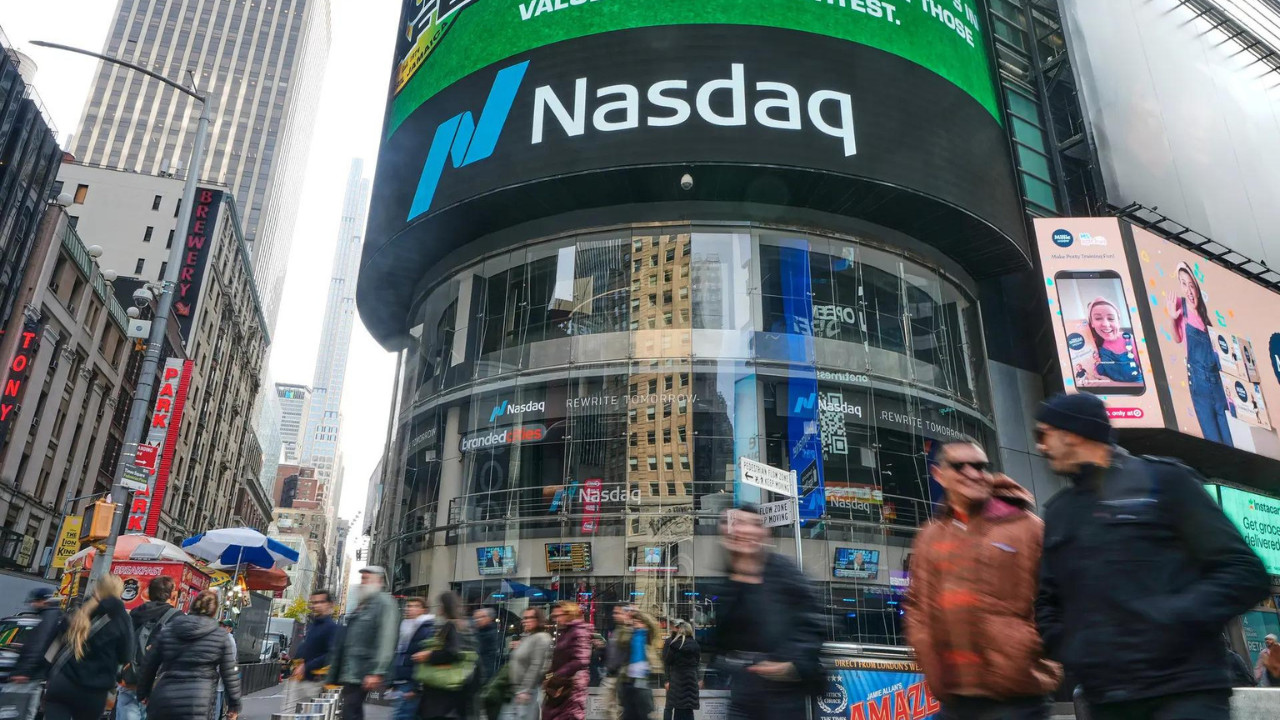
The Nasdaq Composite experienced its sharpest weekly loss since early April, as investors questioned the sustainability of the AI boom amid concerns about China’s potential to lead in AI development. Despite this pullback, the S&P 500 and Dow Jones Industrial Average rebounded late in the session, buoyed by reports of progress in ending the federal government shutdown.
Tech’s Summer Heatwave Breaks: Is the AI Rally Cooling Down?
The rollercoaster ride for tech stocks took a sharp dip this past week, leaving investors wondering if the seemingly unstoppable AI-fueled surge is finally losing steam. The Nasdaq, a bellwether for the tech sector, experienced its most significant weekly drop since April, a stark reminder that even the most promising rallies are susceptible to pullbacks. But what exactly triggered this chill in the market, and is it just a temporary blip or a sign of something more profound?
The recent market jitters can be attributed to a confluence of factors. For weeks, tech valuations have been stretched thin, with many companies trading at multiples that seemed to bake in years of future growth. The relentless focus on artificial intelligence (AI), while undoubtedly revolutionary, had pushed some stocks to dizzying heights, creating an environment ripe for correction.
Then came the whispers of doubt. While the potential of AI is undeniable, questions began to surface about the immediate impact on company bottom lines. Will the massive investments in AI infrastructure translate into tangible revenue gains quickly enough to justify the soaring valuations? Or is the market getting ahead of itself, caught up in the hype cycle?


Compounding these concerns were macroeconomic headwinds. Persistent inflation, despite the Federal Reserve’s efforts to tame it, continued to cast a shadow. Higher interest rates, intended to curb inflation, also make borrowing more expensive for companies, potentially dampening investment in innovation and growth. The cumulative effect created a nervous atmosphere, prompting investors to take profits and reassess their positions.
We also witnessed a change in investor sentiment toward certain tech giants. Companies that had previously enjoyed unwavering support suddenly found themselves under increased scrutiny. Concerns about regulatory hurdles, potential antitrust actions, and the sustainability of their growth rates contributed to the sell-off.
This isn’t to say that the AI rally is completely over. The underlying technology remains transformative, and the long-term potential is still immense. Many companies are genuinely innovating and finding ways to leverage AI to improve their products and services. However, the market is becoming more discerning, separating genuine contenders from those simply riding the hype wave.
What does this mean for the average investor? It’s a timely reminder that diversification is key. Putting all your eggs in one basket, even if that basket is labeled “AI,” is a risky strategy. A well-balanced portfolio, spread across different sectors and asset classes, can help weather market volatility and provide a smoother investment journey.
Furthermore, it’s crucial to do your homework. Instead of blindly following the herd, take the time to understand the companies you’re investing in. Analyze their financials, assess their competitive landscape, and evaluate the sustainability of their business models. Look beyond the buzzwords and focus on the fundamentals. Learn more about how to [invest in a down market](internal-link-to-relevant-article).

The recent pullback in tech stocks may be painful for some, but it can also be viewed as a healthy correction. It’s a chance for the market to recalibrate, to separate substance from hype, and to establish a more sustainable foundation for future growth. The future of AI is still bright.
The market’s recent wobble serves as a valuable lesson: innovation is rarely a straight line upward. There will be peaks and valleys, periods of exuberance and moments of doubt. The key is to stay informed, stay diversified, and stay focused on the long-term potential of the technologies shaping our world. This temporary cooling off period doesn’t necessarily mean the tech party is over, it may just be a much-needed chance for everyone to catch their breath before the next dance begins.