Gold prices are poised for a corrective phase as investors await crucial US and Chinese economic data, alongside Federal Reserve commentary and a US Supreme Court trade tariff hearing. While a strong dollar and subdued demand cap upside, economic outlook uncertainty and potential tariff volatility limit downside for the precious metal.
Is Gold Losing Its Luster? Decoding Recent Price Fluctuations
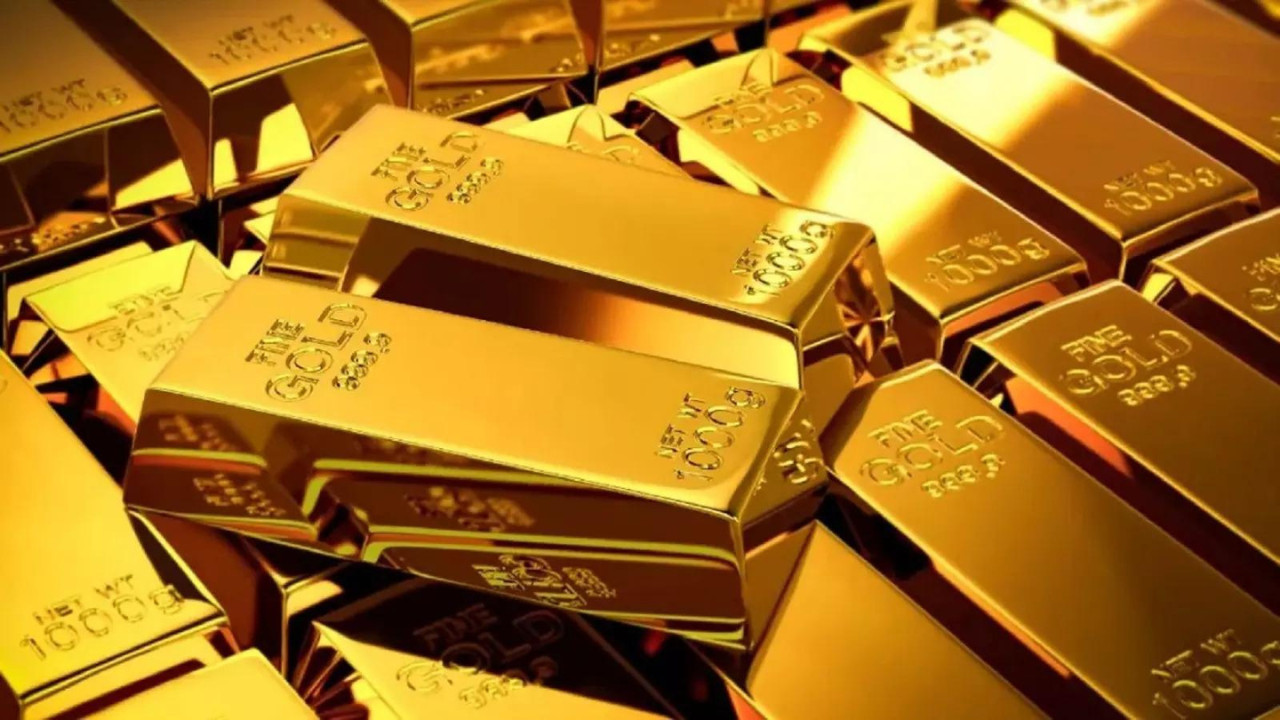
Gold. The very word conjures images of ancient empires, pirate treasure, and a safe haven in times of economic turmoil. But lately, the yellow metal’s journey has been anything but a smooth, gilded path. It’s been more like a rollercoaster, leaving investors wondering: what’s going on with gold prices, and where are they headed?
For weeks, gold has been dancing to a complex tune, influenced by a global symphony of economic data releases, central bank pronouncements, and geopolitical rumblings. Instead of soaring to new heights, it seems to be caught in a “corrective phase,” a period where prices consolidate after a significant move, either upwards or downwards. But what’s fueling this holding pattern?
One major factor is the anticipated release of key economic data from both the United States and China. These two economic behemoths wield considerable influence over global markets, and their economic health acts like a barometer for investor sentiment. Strong economic figures typically boost confidence in riskier assets, potentially diminishing gold’s safe-haven appeal. Conversely, weak data can send investors scurrying towards the perceived security of gold. Think of it as a tug-of-war, with economic data constantly shifting the balance.

Furthermore, the U.S. Federal Reserve, the most influential central bank in the world, is never far from the spotlight. Any hints about future interest rate policy can send ripples through the gold market. Higher interest rates generally make gold less attractive because it doesn’t offer any yield, unlike bonds or dividend-paying stocks. The market eagerly awaits any comments from Fed officials, parsing their words for clues about the direction of monetary policy.

And then there’s the ever-present specter of trade relations, particularly between the U.S. and China. Any escalation in trade tensions or, conversely, any signs of thawing relations can significantly impact gold prices. A full-blown trade war can trigger economic uncertainty, driving investors towards safe-haven assets like gold. Conversely, a resolution can boost risk appetite and diminish gold’s allure.
Gold Prices and the Strength of the Dollar
Another critical piece of the puzzle is the U.S. dollar. Gold is typically priced in dollars, so there’s an inverse relationship between the two. A stronger dollar makes gold more expensive for buyers using other currencies, potentially dampening demand and pushing prices down. Conversely, a weaker dollar makes gold more affordable, potentially boosting demand and prices. Understanding the dollar’s movements is key to deciphering gold’s price fluctuations. Check out our article about [the importance of understanding currency fluctuations](internal-link-to-related-article).

Navigating the Current Gold Market
So, what should investors do amidst this uncertainty? While predicting the future is impossible, understanding the factors influencing gold prices can help you make informed decisions. Stay informed about key economic data releases, pay attention to central bank pronouncements, and monitor geopolitical developments. Remember, gold can be a valuable part of a diversified portfolio, offering a hedge against inflation and economic uncertainty. But it’s crucial to approach it with a clear understanding of the risks and potential rewards. Don’t get swept up in short-term price swings. Instead, focus on your long-term investment goals and adjust your strategy accordingly.
The Road Ahead for Gold
The near-term outlook for gold appears to be one of continued consolidation, with prices likely to remain sensitive to incoming economic data and policy signals. The gold prices will be heavily influenced by the interplay of these factors, making it crucial for investors to stay vigilant. Whether it will hold its value as a safe haven or whether the shiny metal’s luster will fade, depends on these influencing factors. While a strong positive catalyst could push gold back into an upward trajectory, sustained negative news could lead to further price declines. The key is to stay informed, remain adaptable, and remember that gold, like any other investment, carries both opportunities and risks.