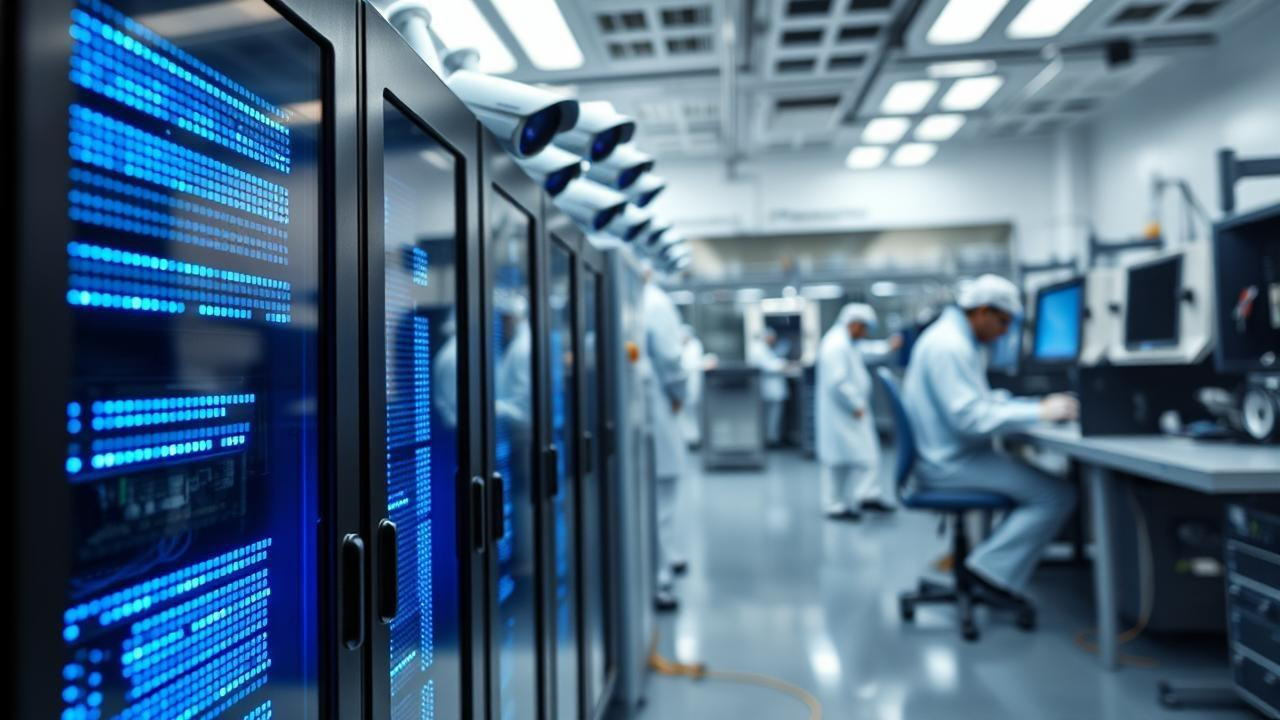
India’s deeptech sector is projected to reach $30 billion by 2030, driven by significant defense innovation and global robotics adoption. The market has grown 2.5 times in five years, with defense deeptech and robotics fueling this expansion. India is emerging as a trusted, low-cost innovation hub outside China, particularly in robotics manufacturing where it holds a substantial cost advantage.
India’s Deep Tech Revolution: A $30 Billion Horizon
Imagine a future where robots collaborate seamlessly on factory floors, defense systems operate with unparalleled precision, and cutting-edge technologies emerge from Indian labs to solve global challenges. This isn’t science fiction; it’s the projected reality for India’s deep tech sector, poised for explosive growth and predicted to reach a staggering $30 billion by 2030. This boom isn’t just about big numbers; it signals a profound shift in India’s technological capabilities and its role on the world stage.
What exactly is deep tech? Think beyond the familiar territory of e-commerce and social media apps. Deep tech refers to companies built on substantial scientific or engineering breakthroughs. We’re talking advanced materials, artificial intelligence pushing real-world boundaries, biotechnology tackling critical health issues, and quantum computing venturing into the previously impossible. These are not incremental improvements; they are fundamental innovations that can reshape industries.
The drivers behind this monumental growth are multifaceted. Government initiatives, increased private investment, and a burgeoning ecosystem of startups are all contributing to a fertile ground for innovation. Let’s delve into the key sectors fueling this deep tech surge.
Defence Innovation: A Cornerstone of Deep Tech Growth
Defense is emerging as a crucial catalyst, with a focus on self-reliance and indigenous development of advanced technologies. Think sophisticated surveillance systems, autonomous vehicles for military use, and advanced weaponry developed within India. This push not only strengthens national security but also stimulates innovation across the entire deep tech landscape. The need for cutting-edge solutions in defense creates a ripple effect, driving research and development in areas like AI, robotics, and advanced materials.


The government’s commitment to fostering a defense industrial base is translating into concrete opportunities for deep tech startups and established companies alike. Funding, partnerships, and streamlined procurement processes are creating an environment where innovation can flourish and be rapidly deployed.
Robotics: Automation’s New Frontier
Beyond the battlefield, robotics is set to transform industries ranging from manufacturing and logistics to healthcare and agriculture. Imagine robots performing complex surgeries with pinpoint accuracy, automating tedious tasks on factory floors, or assisting farmers with precision agriculture. India’s growing robotics sector is not just about replicating existing technologies; it’s about developing unique solutions tailored to the country’s specific needs and challenges.
The demand for automation, driven by factors such as rising labor costs and the need for increased efficiency, is fueling the growth of the robotics market. Deep tech companies are developing innovative robotic systems equipped with advanced sensors, AI-powered navigation, and the ability to learn and adapt to changing environments.
The Rise of AI and Data Analytics
Artificial intelligence and data analytics are the invisible threads weaving through nearly every deep tech application. From optimizing manufacturing processes to predicting disease outbreaks, AI is unlocking new possibilities across various sectors. India’s vast data resources, coupled with a skilled workforce of data scientists and engineers, provide a unique advantage in this rapidly evolving field.
Companies are leveraging AI to develop sophisticated algorithms for image recognition, natural language processing, and predictive modeling. These technologies are being applied in diverse areas such as fraud detection, personalized healthcare, and intelligent transportation systems. The potential of AI is only beginning to be realized, and India is well-positioned to be a leader in this transformative technology.
Investing in the Future: A Thriving Ecosystem
The deep tech revolution in India is not just a technological phenomenon; it’s also an economic one. Increased investment from both domestic and international sources is fueling the growth of deep tech startups and established companies. Venture capitalists, angel investors, and corporate venture arms are all recognizing the immense potential of this sector and are eager to back promising ventures.

This influx of capital is enabling companies to scale their operations, invest in research and development, and attract top talent. The thriving ecosystem of incubators, accelerators, and research institutions is further supporting the growth of deep tech by providing startups with access to mentorship, resources, and infrastructure. Learn more about [opportunities for innovation in Indian startups](internal-link-to-related-content).
Challenges and Opportunities Ahead
While the outlook for India’s deep tech sector is undeniably bright, challenges remain. Bridging the gap between research and commercialization, attracting and retaining skilled talent, and navigating complex regulatory landscapes are all hurdles that need to be addressed. However, with the right policies, investments, and a collaborative spirit, India can overcome these challenges and unlock the full potential of its deep tech ecosystem.
The $30 billion projection for 2030 isn’t just a number; it represents a significant opportunity for India to become a global leader in deep technology. By fostering innovation, supporting startups, and investing in research and development, India can create a future where deep tech solutions address some of the world’s most pressing challenges, driving economic growth and improving the lives of millions. The stage is set, and India’s deep tech revolution has only just begun.