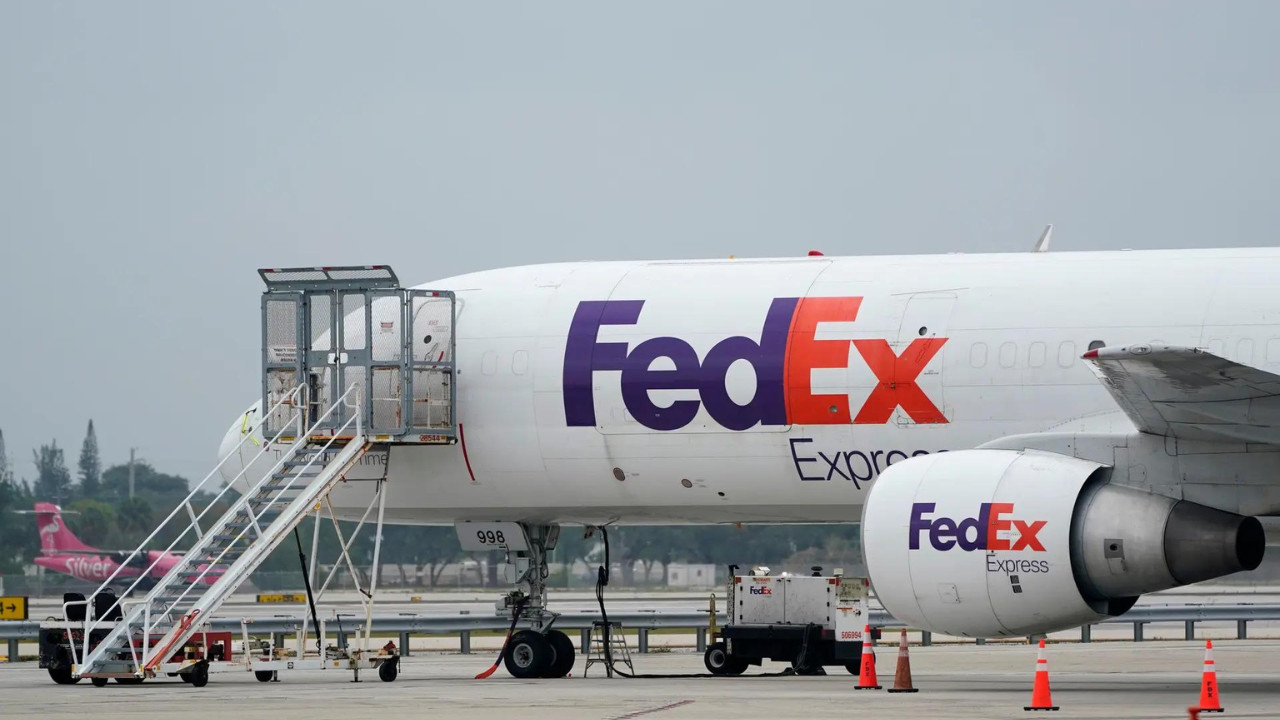
The US air cargo industry faces significant disruption as the FAA mandates a 10% flight capacity cut at major airports due to air traffic controller shortages. This, combined with UPS and FedEx grounding their MD-11 fleets, intensifies pressure on supply chains ahead of the holiday season, potentially causing delivery delays.
Navigating Turbulence: Can US Supply Chains Weather the Holiday Storm?
The air is getting thinner, and not just at 30,000 feet. Across the US, supply chains are facing a confluence of challenges, creating a potentially bumpy ride as we head into the crucial holiday season. Forget visions of sugar plums; logistics managers are likely having nightmares about grounded cargo jets and shipping delays.
What’s fueling this unease? Several factors are converging to create a perfect storm of logistical headaches. The Federal Aviation Administration (FAA) has been grappling with staffing shortages, leading to flight cuts that directly impact the movement of goods. Compounding this issue are concerns surrounding some cargo aircraft, prompting precautionary groundings that further constrict capacity. These aren’t just minor inconveniences; they represent significant disruptions to the intricate network that delivers everything from electronics to your favorite holiday treats.

Air Freight Under Pressure: A Holiday Season Dilemma
Air freight plays a vital role in ensuring timely deliveries, especially for high-value or time-sensitive goods. When a cargo plane sits idle, it throws a wrench into the entire system. The ripple effect is felt by everyone from major players like FedEx and UPS, who are now scrambling to find alternative solutions, to small businesses that rely on air transport to get their products to market.
We’re not just talking about individual packages here. These disruptions can impact the availability of essential goods, affecting everything from manufacturing components to critical medical supplies. Imagine a factory floor grinding to a halt because a crucial part is delayed, or a hospital struggling to replenish vital medications. The stakes are high, and the clock is ticking.

Ground Realities: It’s Not Just About the Skies
The challenges extend beyond the skies. While air freight is facing turbulence, ground transportation isn’t exactly smooth sailing either. Trucking companies are still dealing with driver shortages, and port congestion remains an ongoing issue in some areas. Even if goods arrive on time, moving them inland can be a bottleneck.
The interconnectedness of the global supply chain means that a snag in one area can quickly amplify problems elsewhere. A delayed shipment from overseas, combined with domestic transportation constraints, can create a domino effect that impacts availability and drives up prices. Consumers may find themselves facing empty shelves or paying a premium for items they desperately need.
How are Logistics Giants Responding to US Supply Chains Issues?
The big players, FedEx and UPS, are not taking these challenges lightly. They are actively exploring alternative shipping routes, optimizing their delivery networks, and even investing in new technologies to improve efficiency. However, even the most sophisticated strategies can only mitigate the impact of widespread disruptions.
These companies are also communicating closely with their customers, providing real-time updates on potential delays and offering alternative shipping options. Transparency is key in managing expectations and minimizing frustration. After all, nobody wants to be left in the dark about the status of their holiday gifts.
To further understand the complexities of the supply chain, consider reading our previous article on optimizing warehouse efficiency.

Preparing for Potential Disruptions
So, what can consumers do to navigate this potentially challenging holiday season? Planning ahead is more critical than ever. Start your holiday shopping early to avoid last-minute rushes and potential disappointments. Be flexible with your shipping options and consider alternative delivery locations if possible.
Most importantly, exercise patience. The logistics industry is working tirelessly to overcome these obstacles, but delays are sometimes unavoidable. A little understanding can go a long way in easing the stress of the holiday season for everyone involved.
A Call for Resilience: The Future of Supply Chains
The current situation highlights the need for more resilient and adaptable supply chains. Businesses need to diversify their sourcing, invest in technology to improve visibility, and build stronger relationships with their logistics partners. The future of commerce depends on it. The ability of US supply chains to adapt and overcome these current challenges will be a key indicator of their long-term strength and sustainability in an increasingly complex global landscape.
Ultimately, overcoming these supply chain hurdles requires a collaborative effort. From government agencies to logistics providers and consumers, everyone has a role to play in ensuring a smooth and efficient flow of goods, especially during peak seasons. While this holiday season may present some challenges, it also provides an opportunity to learn, adapt, and build more robust and resilient supply chains for the future.