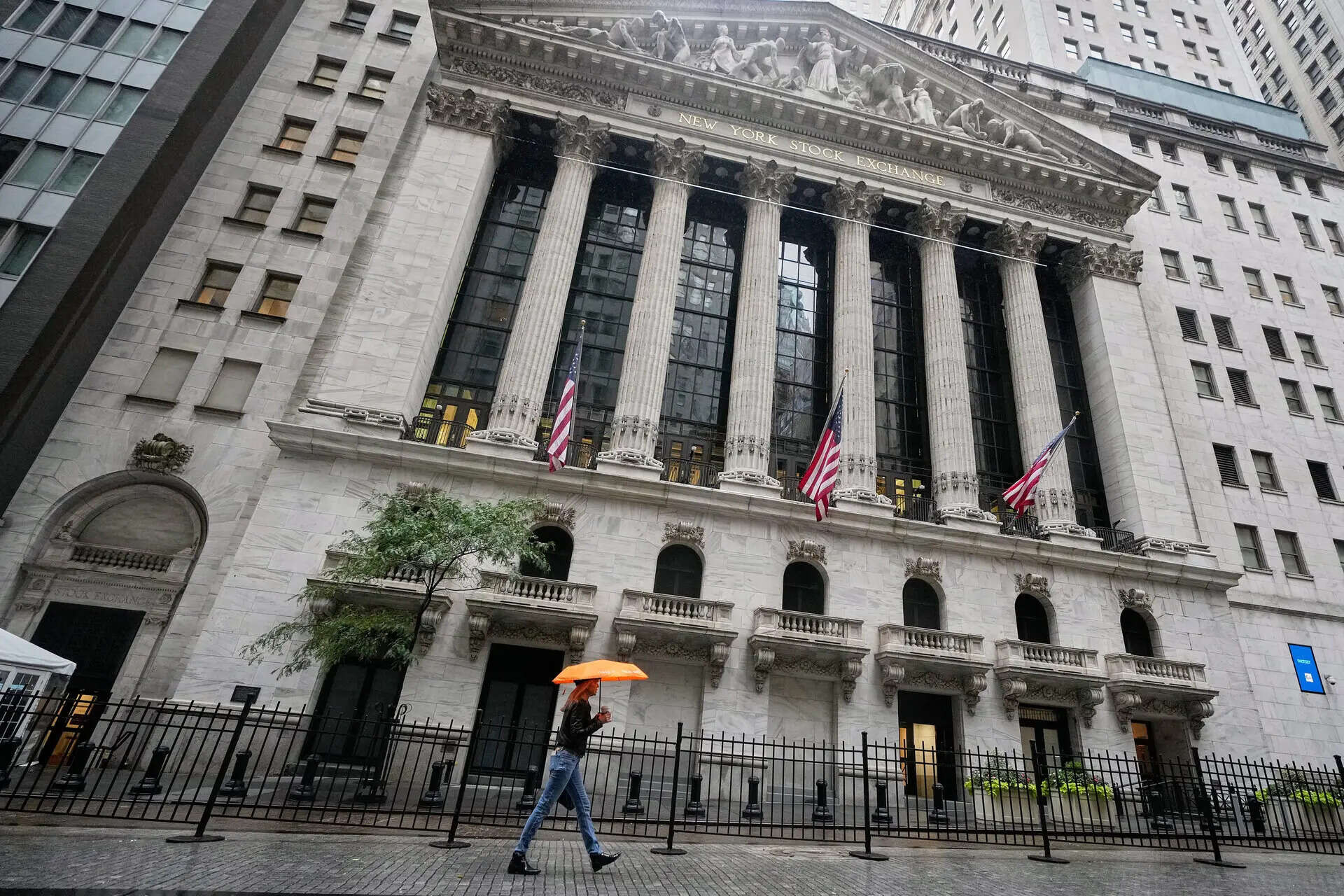
Global stock markets surged on Monday. Investors are optimistic as the US government shutdown nears resolution after a 40-day standoff. A bipartisan deal to fund government operations has been reached. This development brings much-needed clarity on US inflation and the labor market. Pfizer’s acquisition of Metsera also boosted sentiment. European and Asian markets mirrored the gains.
Wall Street Cheers, For Now: Is the Shutdown Rally Sustainable?
Wall Street breathed a collective sigh of relief recently, sending stocks soaring as hopes rose that the U.S. government shutdown might finally be nearing its end. The Nasdaq, in particular, enjoyed a significant surge, jumping over 440 points, while the S&P 500 also posted healthy gains. But after weeks of economic uncertainty, is this rally built on solid ground, or is it just a temporary reprieve?
The mood in the market had been understandably tense. A prolonged government shutdown casts a long shadow, impacting everything from federal services and economic data releases to investor confidence. The prospect of resolution, even temporary, acted as a powerful catalyst. It offered a break from the anxiety and a chance for investors to refocus on underlying economic fundamentals.

But let’s temper our enthusiasm. Markets often react strongly to immediate news, but sustainable growth requires more than just the absence of bad news. The underlying factors that were concerning investors before the shutdown haven’t magically disappeared. Inflation, while cooling, is still a concern. Interest rates remain elevated, impacting borrowing costs for businesses and consumers alike. And the global economic outlook remains uncertain, with potential headwinds from various geopolitical factors.

Decoding the Nasdaq’s Jump: More Than Just Shutdown Relief
The Nasdaq’s outperformance is worth exploring further. The tech-heavy index is particularly sensitive to interest rate changes. Lower interest rates, or even the anticipation of lower rates, tend to boost growth stocks, which often make up a significant portion of the Nasdaq. So, while the shutdown resolution likely played a role, some of the Nasdaq’s surge might also reflect growing optimism about the future direction of interest rate policy. Maybe this is the beginning of a powerful shutdown rally?
However, it’s crucial to remember that tech stocks can also be volatile. A shift in investor sentiment, a disappointing earnings report from a major tech company, or a renewed spike in interest rates could easily reverse the recent gains.
The S&P 500’s Gains: A Broader Market Perspective
The S&P 500, a broader measure of the U.S. stock market, also benefited from the positive sentiment. Gains here suggest that the optimism extended beyond just the tech sector. A wider range of companies, across various industries, likely saw a boost in their stock prices. This is a positive sign, suggesting that the market’s relief wasn’t limited to a specific segment. If you are exploring more about the current economic climate, check out our analysis of consumer spending trends [here](insert internal link).

Beyond the Headlines: What Investors Should Be Watching
While the temporary resolution to the shutdown offers a welcome respite, investors should remain vigilant and focus on the bigger picture. Keep a close eye on upcoming economic data releases, particularly inflation reports and jobs numbers. These indicators will provide valuable insights into the health of the U.S. economy and the likely path of interest rates. Furthermore, monitor geopolitical developments and their potential impact on global markets.
A Sustainable Rally or a Fleeting Moment?
So, is this shutdown rally here to stay? The answer is complex. The market’s positive reaction to the potential shutdown resolution is understandable, but sustainable growth requires more than just the absence of political uncertainty. The underlying economic fundamentals, including inflation, interest rates, and global growth prospects, will ultimately determine the market’s long-term direction. Investors should proceed with caution, focusing on diversification and a long-term investment strategy, rather than chasing short-term gains fueled by temporary sentiment shifts. The road ahead may still be bumpy, but a well-informed and disciplined approach is the best way to navigate the challenges and capitalize on potential opportunities.