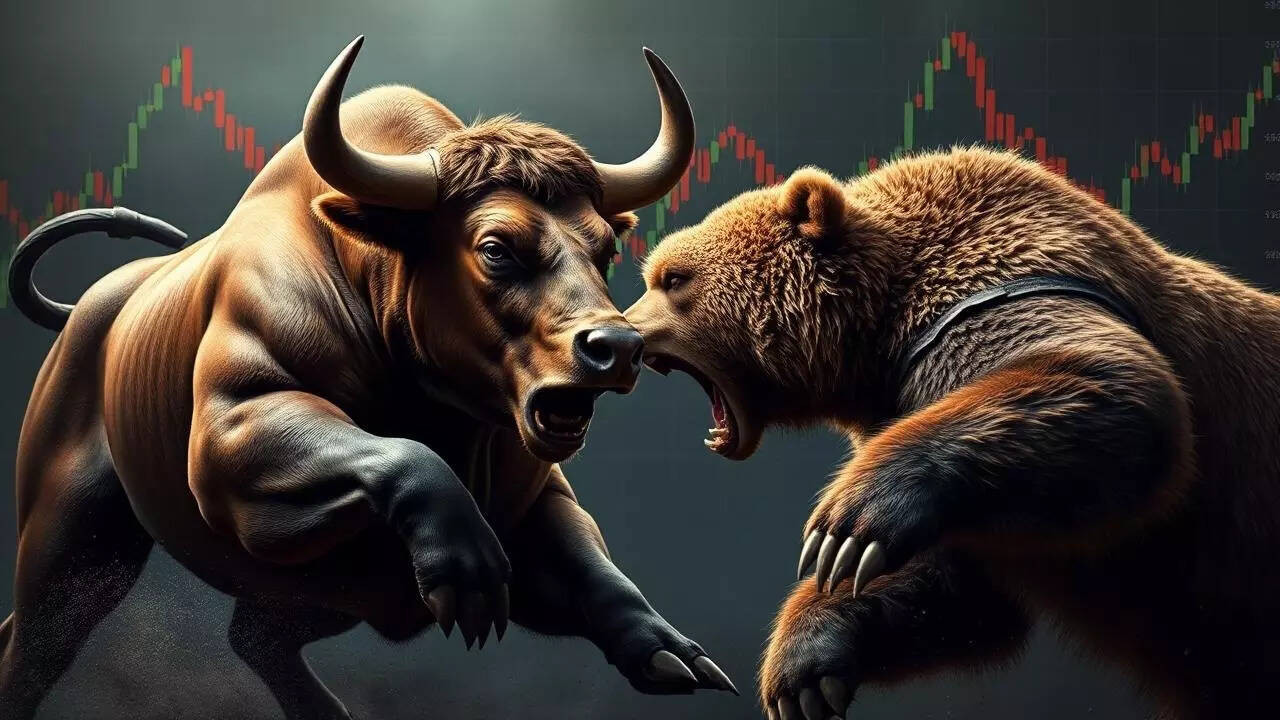
Stock market today: Nifty50 and BSE Sensex, the Indian equity benchmark indices, opened flat in trade on Tuesday. While Nifty50 was above 25,550, BSE Sensex was near 83,500.
Riding the Rollercoaster: Decoding Today’s Market Swings
Dalal Street, the heart of Indian finance, experienced another day of dramatic swings today. Buckle up, because it was a wild ride, leaving many investors wondering what’s next. The Nifty50 and the BSE Sensex danced a jig, reflecting a complex interplay of global cues and domestic anxieties. Let’s dissect what happened and try to glean some understanding from the day’s frenetic activity.
The day opened with cautious optimism. Positive sentiments from overnight trading in Asian markets provided an initial boost. However, this momentum proved fleeting. Profit-booking soon set in, as traders, nervous about the lingering uncertainties surrounding the potential India-US trade deal and the ever-present spectre of inflation, decided to lock in their gains.
One of the biggest factors weighing on investor minds is the prolonged negotiation between India and the US regarding trade tariffs. Hopes for a breakthrough before the end of the year are dwindling, and the uncertainty is definitely impacting market sentiment. The ongoing discussions, seemingly stalled over issues ranging from agricultural products to tech imports, have created a cloud of doubt, causing investors to adopt a wait-and-see approach. This hesitancy is understandable, given the potential ramifications of the trade agreement, or lack thereof, on various sectors of the Indian economy.

Adding to the mix is the shadow of inflation. While recent data has shown some signs of easing, concerns persist that inflationary pressures could resurface, especially with the rising global energy prices. This fear has prompted caution amongst investors, leading to a more conservative approach to portfolio management. The Reserve Bank of India’s (RBI) monetary policy decisions are being closely watched, with any hint of further rate hikes likely to trigger another round of market volatility.

Sector-wise, the picture was equally mixed. The IT sector initially showed strength, fueled by positive earnings reports from some of the major players. However, this surge was short-lived, as concerns about global economic slowdown and its impact on IT spending dampened the enthusiasm. The banking sector also witnessed volatile trading, with private banks outperforming their public sector counterparts. The auto sector remained subdued, impacted by rising input costs and the ongoing supply chain disruptions. The pharmaceutical sector, often considered a safe haven during times of market uncertainty, saw some buying interest.
While the Indian market faced its own set of challenges, global cues also played a significant role in shaping the day’s trading. News from the US, particularly regarding Donald Trump’s potential return to the political arena, added another layer of complexity. His pronouncements on trade policies and international relations can have a ripple effect on global markets, and investors are closely monitoring his movements. You can find more about navigating uncertain markets on our [investment strategies page](https://www.example.com/investment-strategies).

Despite the day’s volatility, some analysts remain optimistic about the long-term prospects of the Indian market. They point to the country’s strong economic fundamentals, its growing middle class, and its increasing attractiveness as an investment destination. However, they also caution that investors need to be prepared for continued market swings in the near term, and that a diversified investment strategy is crucial for mitigating risk.
Navigating today’s turbulent market requires a calm head and a long-term perspective. It’s essential to remember that short-term fluctuations are a normal part of the investment cycle. While the current situation presents challenges, it also offers opportunities for informed investors to build wealth over time. Staying informed, understanding the underlying factors driving market movements, and sticking to a well-defined investment plan are key to weathering the storm and achieving long-term financial goals.