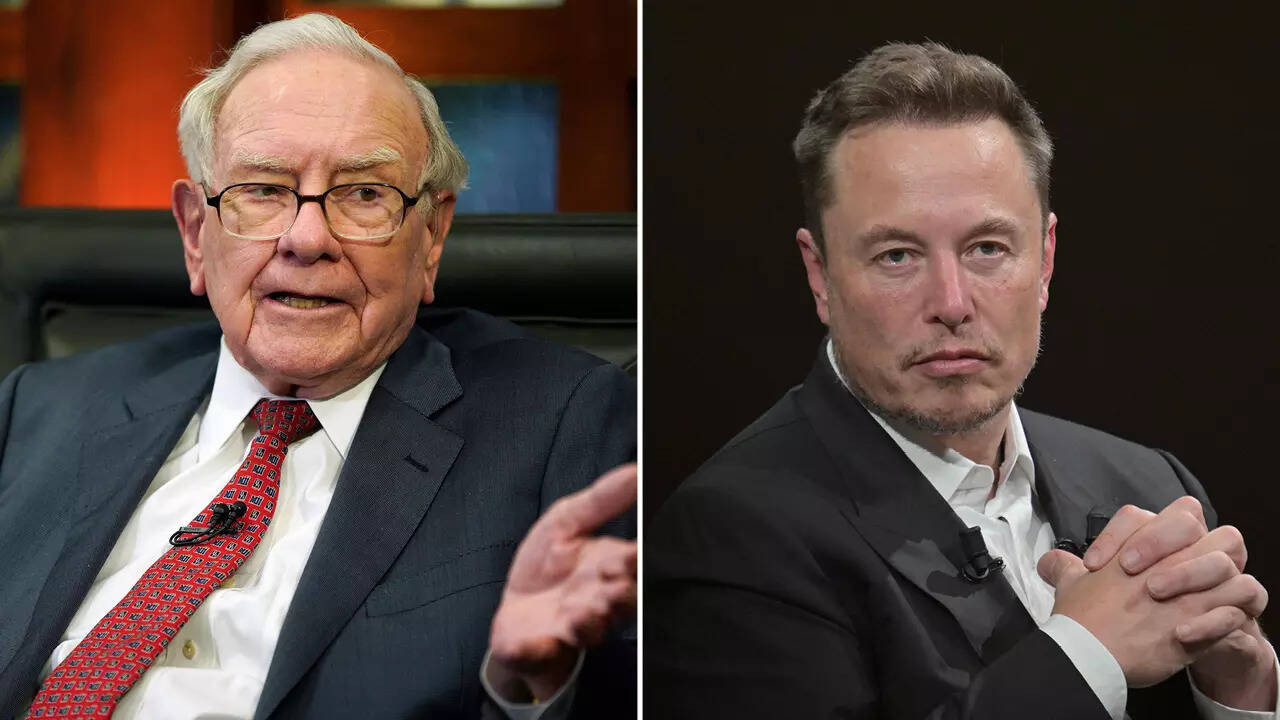
Warren Buffett subtly criticized soaring CEO pay, citing a ‘race’ fueled by envy and greed, particularly after Tesla’s $1 trillion package for Elon Musk and Rivian’s similarly structured offer for RJ Scaringe.
Buffett’s Last Word: Subtly Shading Elon’s Payday?
Warren Buffett, the Oracle of Omaha, has always had a knack for saying a lot with very little. His annual letters to Berkshire Hathaway shareholders are eagerly awaited, not just for the financial insights, but also for the subtle jabs and philosophical musings that peek through the numbers. This year’s final letter as CEO was no exception, and many are interpreting a particular passage as a veiled critique of Elon Musk’s eye-watering $1 trillion compensation package from Tesla.
Buffett, who handed over the CEO reins to Greg Abel but remains chairman, dedicated a section of his letter to the dangers of unchecked executive compensation. He spoke of “runaway” CEO pay that bears little resemblance to performance, using words like “greed” and “envy,” setting off speculation about who he might have in mind.
He wrote about observing decades of corporate excess, where CEOs, aided and abetted by compliant compensation committees, have secured packages that defy logic and shareholder interests. These committees, often packed with individuals hand-picked by the very CEO they are supposed to oversee, create an echo chamber where exorbitant pay becomes normalized. Buffett’s concern isn’t just about the money itself, but the incentive structures these packages create. When compensation is disconnected from genuine value creation, it encourages short-term thinking and potentially reckless behavior.
The $1 Trillion Question: Was Buffett Talking About Tesla?
While Buffett never explicitly named Elon Musk or Tesla, the timing and context are intriguing. Musk’s compensation package, approved in 2018, was ambitious. It required Tesla to hit a series of aggressive milestones related to market capitalization, revenue, and profitability. He’s fulfilled those milestones, leading to the potential for him to reap a reward that dwarfs any other CEO compensation in history.

But did Musk really create all that value single-handedly? Or did favorable market conditions, government subsidies, and the collective efforts of thousands of Tesla employees contribute significantly? That’s the question Buffett seems to be subtly raising. His experience gives his words weight.

Buffett’s letter highlighted the risks of compensation packages driven by market forces beyond the CEO’s direct control. A rising tide lifts all boats, he implied, and sometimes executives get credit for simply being in the right place at the right time. The point is that the company must not focus only on short term market fluctuation, and must also focus on long term viability. It raises critical questions about how we define and reward true leadership in the corporate world.
It’s also worth noting that Buffett has, in the past, expressed admiration for Musk’s accomplishments. He acknowledged Musk’s innovative spirit and his ability to disrupt entire industries. This makes his pointed commentary on excessive compensation even more impactful. It suggests that even those who admire Musk’s vision may question the sheer size of his potential payout.
Beyond Tesla: A Broader Critique of CEO Pay
Buffett’s concerns extend far beyond any single individual or company. He’s addressing a systemic problem: the disconnect between executive pay and corporate performance across the board. He pointed out how flawed incentive structures can incentivize managers to make harmful decisions for the overall health of the company in the long run.

His words serve as a powerful reminder that shareholder value is best created by long-term, sustainable growth, not by short-term gains fueled by excessive risk-taking. He encourages investors to be critical of compensation packages and to demand greater accountability from compensation committees. By publicly denouncing runaway CEO pay, he hopes to inspire a shift towards more responsible and equitable compensation practices. He calls for investors to push back against self-serving arrangements that line the pockets of executives at the expense of shareholders.
Buffett’s Legacy: Wisdom Beyond the Balance Sheet
Whether or not Buffett intended to specifically target Musk, his message is clear: extreme wealth accumulation at the top can be a sign of a system out of whack. It’s a stark reminder that true leadership lies not just in generating profits, but in creating sustainable value for all stakeholders. As Buffett steps back from the CEO role, his final letter serves as a powerful parting shot, urging us to reconsider how we define success and reward those who lead our corporations. It also serves as a cautionary tale for companies and investors, emphasizing the importance of creating and sustaining long term value.
Read more about how Berkshire Hathaway approaches value investing.
Buffett’s subtle critique of executive compensation, whether aimed at Tesla or not, serves as a critical reminder: sustainable value trumps runaway greed. This message, delivered in his final letter as CEO, will resonate long after the numbers fade.