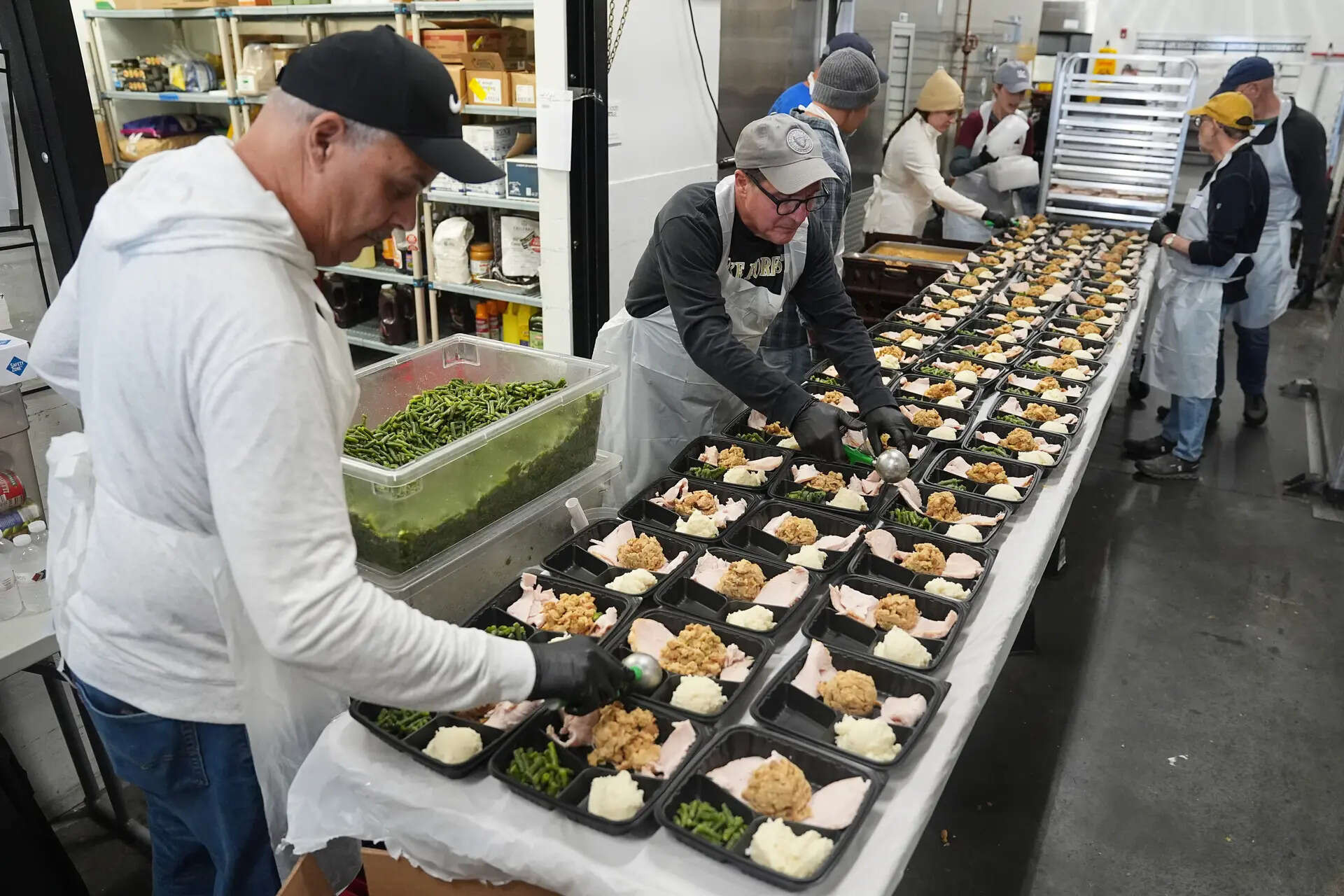
The Supreme Court has extended a pause on a lower court order requiring full Snap funding, giving Congress more time to resolve the issue amid a government shutdown. Justices are allowing additional time for a potential agreement, avoiding immediate legal intervention on the critical food assistance program.
SNAP Benefits, Government Shutdown, and a Waiting Game
The ongoing saga of the US government shutdown has taken another turn, and families relying on the Supplemental Nutrition Assistance Program (SNAP) are watching closely. It’s a tense moment, a high-stakes waiting game impacting millions of Americans. While a glimmer of hope for an end to the gridlock flickers on the horizon, the Supreme Court just threw a curveball regarding the distribution of SNAP benefits, extending a block on certain payments. So, what’s happening, and what does it mean for you?
The heart of the matter, as always, is funding. The government shutdown, triggered by disagreements over spending priorities, has left numerous federal agencies in a state of limbo. This paralysis directly affects programs like SNAP, which provides crucial food assistance to low-income individuals and families. The potential disruption to SNAP benefits raises the specter of food insecurity for vulnerable populations.
The Supreme Court’s SNAP Decision: A Temporary Setback?
Adding to the uncertainty, the Supreme Court recently intervened, prolonging a hold on SNAP payments that the Biden administration had sought to restore. This specific issue revolves around emergency allotments, which were additional SNAP benefits provided during the COVID-19 pandemic to help families cope with the economic fallout. These allotments have largely expired, but the legal battle over their distribution continues.
The court’s decision to extend the block is undoubtedly a setback for those hoping to see these emergency benefits reinstated. It underscores the complex legal landscape surrounding government programs and the potential for judicial intervention to influence their implementation. The reasoning behind the extension isn’t solely about the merits of the case, but also considerations of procedural fairness and ensuring all parties have adequate opportunity to present their arguments.

It’s important to remember that this ruling doesn’t necessarily negate the possibility of future SNAP benefits or permanently block all emergency allotments. It simply maintains the status quo while the legal process unfolds. But for families who are already struggling to make ends meet, any delay in assistance can have significant consequences.

A Ray of Hope Amidst the Shutdown?
Despite the challenges surrounding SNAP, there are whispers of progress in the broader government shutdown standoff. Negotiations are reportedly underway, with lawmakers from both parties expressing a desire to find common ground and restore government funding. These discussions center on striking a balance between fiscal responsibility and addressing essential needs, including social safety nets like SNAP.
The optimism, however cautious, stems from the growing recognition that a prolonged shutdown benefits no one. The economic repercussions can be severe, impacting everything from government services to consumer confidence. Furthermore, the shutdown exposes vulnerabilities in critical infrastructure and jeopardizes the well-being of countless Americans.
The potential resolution hinges on the willingness of political leaders to compromise and find a path forward that addresses the underlying fiscal concerns while safeguarding essential programs. This requires a delicate balancing act and a commitment to prioritizing the needs of the American people.

Navigating Uncertainty: Resources for Families
While the political wrangling continues, families facing potential disruptions to their SNAP benefits should be aware of available resources. Local food banks and community organizations can provide immediate assistance to those in need. Many states also offer temporary assistance programs to help families weather financial hardships.
Furthermore, it’s crucial to stay informed about the latest developments regarding the shutdown and its potential impact on SNAP benefits. Reliable sources of information include government websites, reputable news organizations, and advocacy groups dedicated to food security.
You can also explore other assistance programs that may be available to you, such as unemployment benefits or housing assistance. Don’t hesitate to reach out to social service agencies or community centers for guidance and support. Learn more about resources for families by reading this article about [local community support programs](/community-support).
Looking Ahead
The intersection of the government shutdown, the Supreme Court’s decision on SNAP, and the ongoing negotiations in Washington creates a complex and uncertain landscape for families relying on food assistance. While challenges undoubtedly remain, the hope for a resolution persists. By staying informed, accessing available resources, and advocating for their needs, individuals and families can navigate this challenging period and work towards a more secure future. This emphasizes the importance of a swift resolution, ensuring continued support for those who depend on these vital programs.