India is set to boost its critical mineral production by rationalizing royalty rates for graphite, caesium, rubidium, and zirconium. This move, approved by the Union Cabinet, aims to reduce import dependency and strengthen supply chains, especially as China imposes export restrictions.
India Stakes Its Claim: A Bold Move to Secure Critical Mineral Independence
For years, whispers have echoed through boardrooms and government halls: India needs a stronger foothold in the critical minerals arena. Now, those whispers are turning into a roar. A recent Cabinet decision signals a major shift in strategy, a bold attempt to loosen China’s grip on the global supply of vital resources and supercharge India’s own tech and manufacturing ambitions.
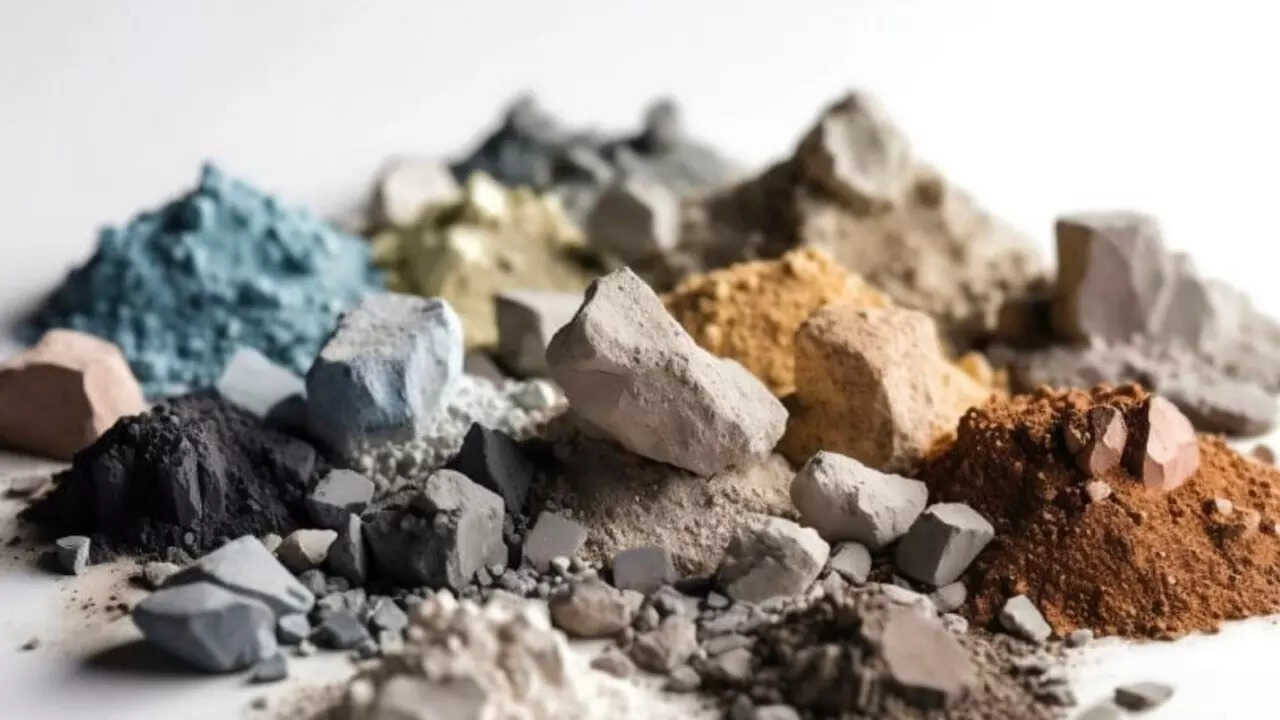
The move centers around rationalizing royalty rates for several key minerals: graphite, caesium, rubidium, and zirconium. These aren’t your everyday commodities. They’re the unsung heroes powering everything from electric vehicles and renewable energy infrastructure to advanced electronics and aerospace technology. Think of them as the building blocks of the future economy, and right now, a significant portion of the world relies on China for these crucial components.
So, what exactly does “rationalizing royalty rates” mean? In simple terms, it’s about making it more attractive for companies to explore, mine, and produce these minerals within India. Lower, more competitive royalty rates directly impact the profitability of mining operations. They act as a powerful incentive, encouraging investment, fostering innovation, and ultimately, boosting domestic production. This strategic adjustment isn’t just about economics; it’s about national security and strategic autonomy.
Why this sudden urgency? The writing’s been on the wall for some time. Geopolitical tensions, supply chain disruptions caused by the pandemic, and China’s own export restrictions have exposed the vulnerability of relying too heavily on a single source for these essential materials. India recognizes that control over its own supply of critical minerals is paramount to achieving its ambitious economic goals, including its push to become a global manufacturing powerhouse and a leader in green technologies.

Graphite: The Spark Plug of the EV Revolution

Let’s zoom in on one of these minerals: graphite. It’s a crucial component in lithium-ion batteries, the heart of electric vehicles and energy storage systems. As the world transitions towards electric mobility, the demand for graphite is set to skyrocket. India has significant graphite reserves, but unlocking them requires the right incentives. By lowering royalty rates, the government hopes to encourage companies to ramp up production and meet the growing domestic demand, as well as potentially become a major exporter of this vital material.
Beyond Graphite: A Portfolio of Strategic Minerals
The initiative isn’t limited to graphite. Caesium and rubidium are used in atomic clocks, high-precision instruments, and specialized electronic applications. Zirconium finds its way into nuclear reactors, ceramics, and even dental implants. Securing a stable domestic supply of these diverse minerals will not only benefit specific industries but also strengthen India’s overall technological capabilities. It allows for local innovation and reduces dependence on unpredictable global markets.
A Multi-Pronged Approach to Mineral Security
Rationalizing royalty rates is just one piece of the puzzle. The Indian government is also actively pursuing other strategies to secure its critical mineral supply. These include:
* International Partnerships: Forging alliances with resource-rich countries like Australia and nations in Africa to secure access to minerals that are scarce within India.
* Strategic Investments: Encouraging Indian companies to invest in mining projects overseas, giving them a stake in global mineral production.
* Research and Development: Funding research into new extraction technologies and alternative materials to reduce reliance on specific minerals. This connects to our broader initiatives in renewable energy research, ensuring a holistic approach to future resource needs.
* Promoting Recycling: Developing robust recycling infrastructure to recover valuable minerals from electronic waste and other sources, creating a circular economy for these crucial resources.
Challenges and Opportunities Ahead

The path to mineral independence isn’t without its challenges. Mining projects often face environmental concerns, land acquisition issues, and regulatory hurdles. It will be crucial for the government to address these challenges effectively, ensuring that mining activities are conducted sustainably and responsibly.
However, the opportunities are immense. By unlocking its mineral potential, India can not only reduce its dependence on China but also create new jobs, attract foreign investment, and boost its economic growth. This strategic move to secure its supply of critical minerals is a powerful statement of intent, signaling India’s determination to become a global leader in the 21st century.
Securing India’s Future: A Long-Term Vision
Ultimately, the rationalization of royalty rates for critical minerals is more than just a policy change; it’s a strategic investment in India’s future. By securing a stable and diversified supply of these essential resources, India can pave the way for sustained economic growth, technological innovation, and greater national security. It is a bold step towards achieving self-reliance and establishing India as a major player in the global economy.