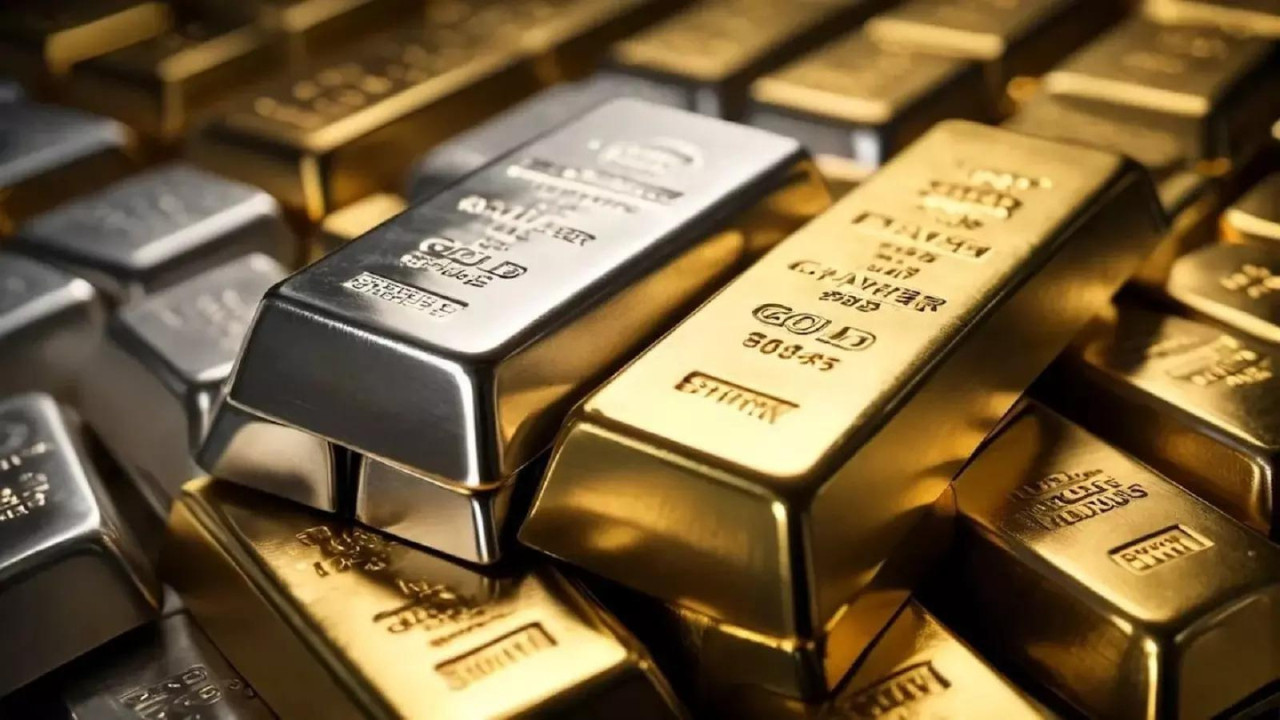
Gold price prediction today: Gold prices are exhibiting a bearish bias, with a short-term consolidation expected. Technical indicators suggest fading upside momentum, with resistance at ₹1,27,200 and support at ₹1,26,100.
Gold’s Gleam: Peering into the Future of Prices
Gold. The very word conjures images of ancient civilizations, pirate treasure, and a timeless symbol of wealth. But in today’s complex financial landscape, understanding its true value requires a little more than just romantic notions. As we look towards November 2025, what factors will influence the gold price and should you be buying, selling, or holding?
Navigating the market involves understanding a confluence of economic indicators and global events. Forget crystal balls; the outlook rests on analyzing interest rates, inflation trends, and geopolitical stability. Let’s delve into the key elements that could shape gold’s trajectory.
Interest Rates: The Balancing Act
Interest rates often act as a counterweight to gold prices. When interest rates rise, bonds and other fixed-income investments become more attractive, pulling investors away from non-yielding assets like gold. Conversely, when interest rates are low or falling, gold tends to shine.
<img src="image-url-here.jpg" alt="A close-up image of gold bars, showcasing the gold price in various currencies.”/>
The decisions of central banks, particularly the US Federal Reserve, will be paramount. If inflation remains stubbornly high, central banks may need to maintain or even increase interest rates. This scenario could put downward pressure on gold. However, if economic growth falters and central banks pivot to easing monetary policy, gold could see renewed investor interest.

Inflation: Gold’s Traditional Shield
Gold has long been considered a hedge against inflation, a safe haven during periods of rising prices. The reasoning is simple: as the purchasing power of currency erodes, gold tends to hold its value.
The effectiveness of gold as an inflation hedge is, however, not always straightforward. In the short term, its price can be influenced by a range of factors, including market sentiment and speculation. But over the long term, gold has historically served as a store of value during inflationary periods.
The key question is whether inflationary pressures will persist into late 2025. Supply chain disruptions, geopolitical tensions, and strong consumer demand could all contribute to continued inflation. Alternatively, tighter monetary policy and a slowdown in economic growth could tame inflation, potentially reducing gold’s appeal as a hedge.
Geopolitical Instability: The Fear Factor
Uncertainty in the world breeds demand for safe-haven assets, and gold is often the beneficiary. Events like wars, political crises, and trade disputes can all drive investors towards the perceived safety of gold.
Looking ahead to November 2025, it’s impossible to predict specific geopolitical events. However, ongoing tensions in various regions of the world suggest that geopolitical risk will remain elevated. This could provide support for gold price, as investors seek to protect their capital from potential turmoil.
The Indian Rupee and Gold Prices
For Indian investors, the strength of the Indian Rupee (INR) against the US dollar plays a crucial role in determining domestic gold prices. A weaker Rupee makes gold imports more expensive, pushing up prices in India. Conversely, a stronger Rupee can dampen gold price increases.

Factors influencing the Rupee include India’s trade balance, foreign investment flows, and overall economic growth. Keep an eye on these indicators to get a sense of how the Rupee might affect local gold prices. Consider reading more about how inflation impacts specific investment types for broader context.
So, Should You Buy, Sell, or Hold?
The answer, as always, depends on your individual circumstances and risk tolerance. If you believe that inflation will remain high and geopolitical tensions will persist, then adding gold to your portfolio may be a prudent move. If, on the other hand, you anticipate that interest rates will rise and the global economy will stabilize, then you may want to reduce your gold holdings.
Remember, gold should typically be considered a component of a diversified investment portfolio, not the entire portfolio itself. It’s best to consult with a financial advisor to determine the right asset allocation for your specific needs.
A Golden Conclusion
Predicting the future of the gold price with absolute certainty is impossible. However, by carefully monitoring interest rates, inflation trends, geopolitical events, and the strength of the Indian Rupee, you can make informed decisions about whether to buy, sell, or hold gold as we approach November 2025. The key is to stay informed, remain disciplined, and avoid making emotional decisions based on short-term market fluctuations.