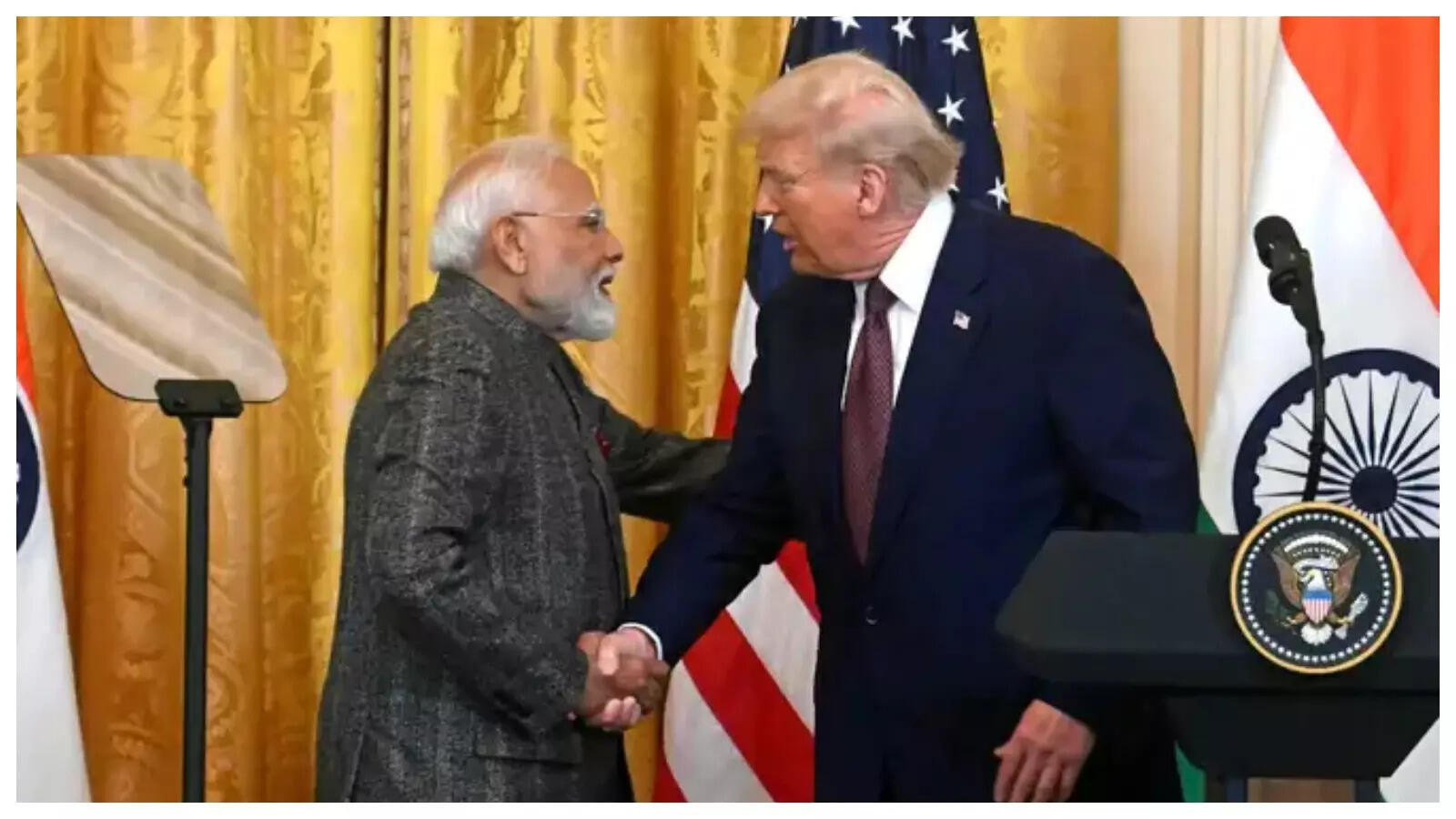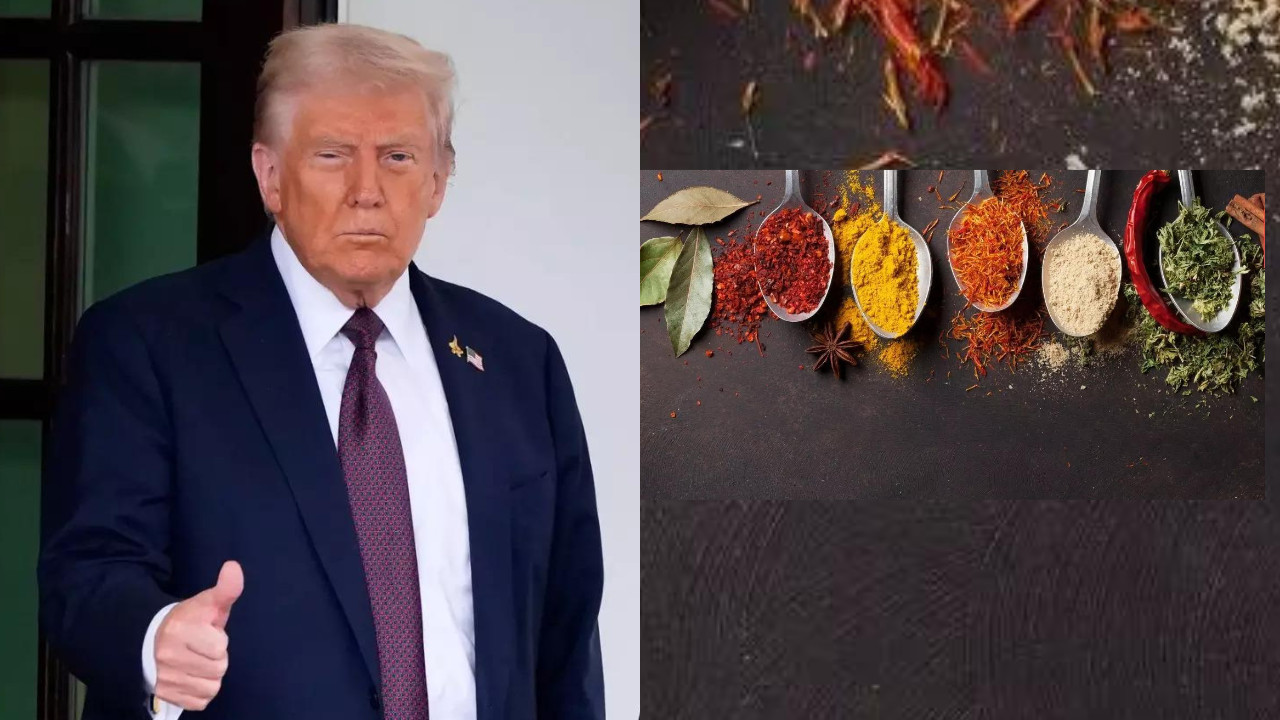
US President Donald Trump has lowered import duties on nearly 200 food and agricultural items, including spices and tea, to ease rising domestic prices. This move provides a significant boost to India’s key agri exports, though seafood and basmati rice remain under tariff sanctions. The exemptions aim to create a level playing field for Indian products in the US market.
A Steaming Cup of Relief: Trump Era Tariff Cuts Offer Spice to Indian Exports
The aroma of opportunity is once again wafting from across the Pacific, thanks to a surprising, yet welcome, rollback of tariffs on Indian tea and spices initiated during the Trump administration. While geopolitical winds often shift without warning, this particular gust promises to invigorate a sector vital to India’s economic landscape.
For years, Indian exporters felt the sting of increased duties imposed on these signature commodities. These tariffs, meant to bolster American industries, inadvertently created a trade bottleneck, dampening the enthusiasm of tea gardens and spice merchants alike. But now, that tension appears to be easing, and a brighter outlook is brewing for Indian trade with the United States.
The Spice Route Reopens: A Boost for Indian Growers
The initial tariff hikes cast a shadow over the traditionally robust exchange of flavors between India and the US. Imagine the disappointment of a Darjeeling tea grower, knowing their premium leaves faced a higher price hurdle in reaching American consumers. Or the anxiety of a farmer carefully cultivating turmeric, knowing their harvest might struggle to compete.


These weren’t just abstract economic anxieties; they were real concerns for livelihoods, for the sustainability of family farms passed down through generations. Now, with these tariffs lowered, a collective sigh of relief can be heard from Kerala’s pepper plantations to Assam’s tea estates. The reduced tax burden means Indian exporters can offer more competitive prices, potentially increasing their market share in the US and revitalizing exports.
Why Now? Understanding the Shift in Trade Winds
While the timing might seem unexpected, given the complex dynamics of global trade, several factors likely contributed to this decision. It’s plausible the previous tariffs didn’t yield the intended benefits for American industries, or that the US government recognized the importance of maintaining a strong and balanced trading relationship with India. Perhaps a bit of both.
Regardless of the exact reasoning, the outcome is undeniably positive for Indian exporters, offering them a more level playing field in the crucial US market. It also speaks to the ongoing dialogue and negotiations between the two nations, suggesting a willingness to adapt and address trade imbalances.
More Than Just Tea and Spices: The Broader Implications
The impact of these tariff cuts extends beyond the immediate beneficiaries in the tea and spice industries. It signals a potential warming in trade relations and encourages Indian businesses to explore further opportunities in the US market. The reduction sets a positive precedent, paving the way for future discussions on reducing trade barriers across various sectors.
This positive development can also inspire other sectors within the Indian economy. It demonstrates that persistent advocacy and engagement with international trade partners can yield tangible results. The success in securing these tariff reductions provides valuable lessons for other industries seeking to navigate the complexities of global trade. This should encourage more businesses to consider expanding their operations and competing in a global market. Consider it a shot of chai to the Indian economy!

What the Future Holds for Indo-US Trade
This tariff rollback is a welcome step towards strengthening Indo-US trade relations. While challenges undoubtedly remain, this move signifies a commitment to fair competition and balanced trade. It presents a tangible opportunity for Indian businesses to expand their footprint in the American market and for American consumers to enjoy high-quality Indian tea and spices at more competitive prices. It will be interesting to see if this is a sign of more economic cooperation in the future. In the meantime, it offers a solid win for India’s agricultural exports.
Want to read more about how Indian policy affects its businesses? Check out our [article on recent shifts in Indian economic policy here.](internal-link)