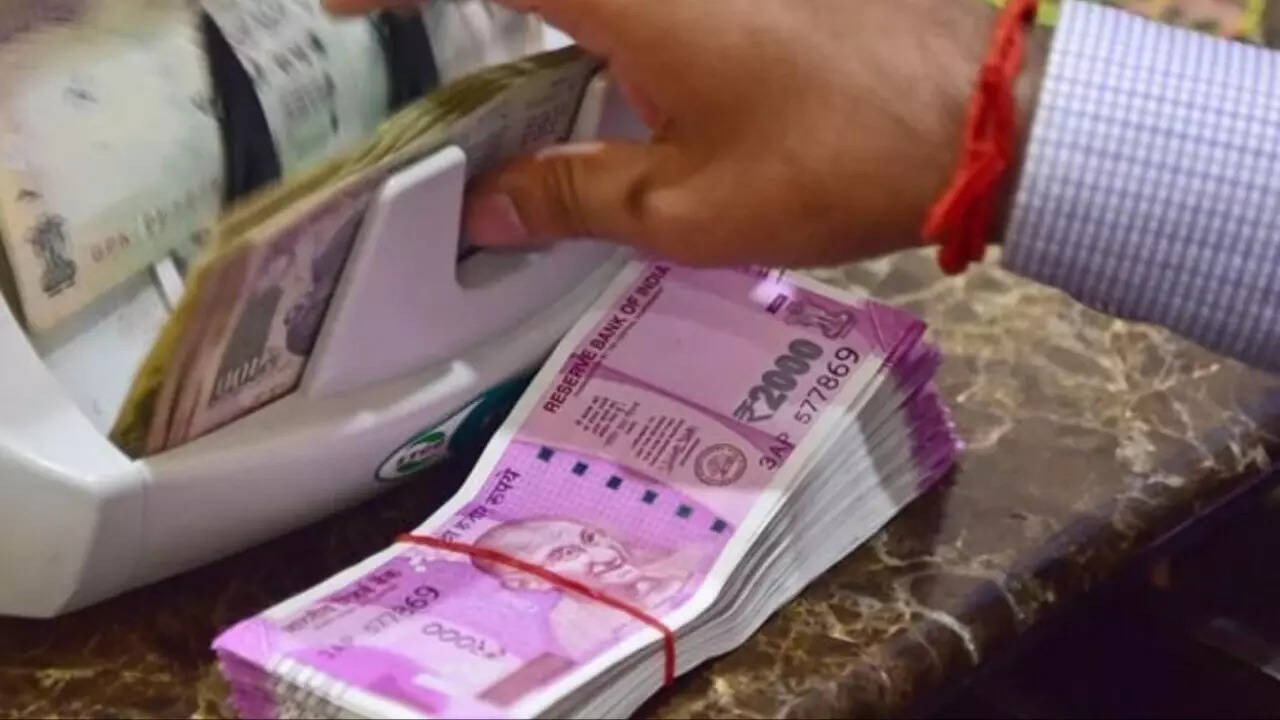
Jefferies suggests the Indian rupee may have hit a bottom after months of depreciation, citing macroeconomic resilience and improving balance-of-payments. Despite significant foreign outflows from equities, robust domestic inflows are compensating, and firm credit momentum and supportive FDI trends are also noted.
Is the Indian Rupee Finally Turning a Corner?
The Indian Rupee (INR) has been on a bit of a rollercoaster lately, enduring a tough ride in the global markets. After underperforming most of its emerging market peers in 2024, many are now asking: has the INR finally hit its lowest point? A recent analysis from Jefferies seems to suggest just that, offering a glimmer of hope for those watching the currency’s trajectory.
The past year hasn’t been kind. Fluctuations in global oil prices, geopolitical uncertainties, and the strength of the US dollar have all contributed to the Rupee’s struggles. Foreign Portfolio Investors (FPIs) pulling out investments only added fuel to the fire, creating a challenging environment for the Indian currency. However, the story isn’t all doom and gloom. There’s a compelling narrative of resilience brewing beneath the surface.

The Power of Domestic Inflows
One of the key factors supporting the Jefferies’ optimistic outlook is the strength of domestic investment. While FPIs were busy selling, domestic investors stepped up to the plate, injecting significant capital into the Indian economy. This surge in domestic inflows acted as a buffer, partially offsetting the negative impact of foreign outflows. This highlights the growing maturity and self-reliance of the Indian financial markets. The ability of domestic investors to absorb selling pressure from FPIs is a testament to the increasing depth and resilience of the Indian economy.

Think of it like this: imagine a ship weathering a storm. The FPI outflows are like the strong winds pushing it off course, but the domestic inflows are like the ballast, keeping it steady and preventing it from capsizing. This underlying strength provides a foundation for the Rupee to potentially rebound.
Why the Optimism for the Indian Rupee?
So, what exactly is driving this newfound optimism surrounding the INR? Several factors are at play. Firstly, the Indian economy continues to demonstrate robust growth, outpacing many of its global counterparts. This strong economic performance provides a fundamental underpinning for the currency.
Secondly, the Reserve Bank of India (RBI) has been actively managing the exchange rate, intervening in the market to prevent excessive volatility. This proactive approach has helped to instill confidence in the Rupee and prevent it from spiraling downwards. Moreover, the RBI’s comfortable foreign exchange reserves provide a significant cushion, allowing it to effectively manage any further external shocks.
Finally, there’s a growing expectation that the US Federal Reserve may soon begin to ease its monetary policy. This would likely weaken the US dollar, providing a boost to emerging market currencies, including the Indian Rupee. All of this leads to a potentially more stable and favorable environment for the INR moving forward.
Looking Ahead: Potential Roadblocks and Opportunities
Of course, the road ahead isn’t without its potential bumps. Global economic uncertainties, fluctuations in commodity prices, and any unexpected shifts in monetary policy could all pose challenges to the INR’s recovery. Geopolitical risks always have the potential to impact investor sentiment and capital flows, therefore presenting a challenge for the currency.

However, the potential opportunities are equally significant. Continued economic reforms, infrastructure development, and a favorable investment climate could attract further foreign investment and boost the Rupee. Furthermore, as India continues to integrate into the global economy and strengthen its trade relationships, the demand for the INR is likely to increase.
For example, initiatives aimed at promoting exports and reducing reliance on imports could significantly improve India’s current account balance, which would be positive for the currency. See our previous article on [India’s export strategy](internal-link-to-related-content).
The Bottom Line: A Cautiously Optimistic Outlook
While predicting currency movements with absolute certainty is impossible, the analysis from Jefferies paints a cautiously optimistic picture for the Indian Rupee. The combination of strong domestic inflows, a resilient economy, and the potential for a weaker US dollar suggest that the INR may have indeed found its bottom. Whether this optimism will fully materialize remains to be seen, but the underlying factors suggest that the Indian Rupee is poised for a more stable and potentially brighter future. The year 2025 may well mark a turning point for the INR, where resilience and growth converge to shape its trajectory on the global stage.