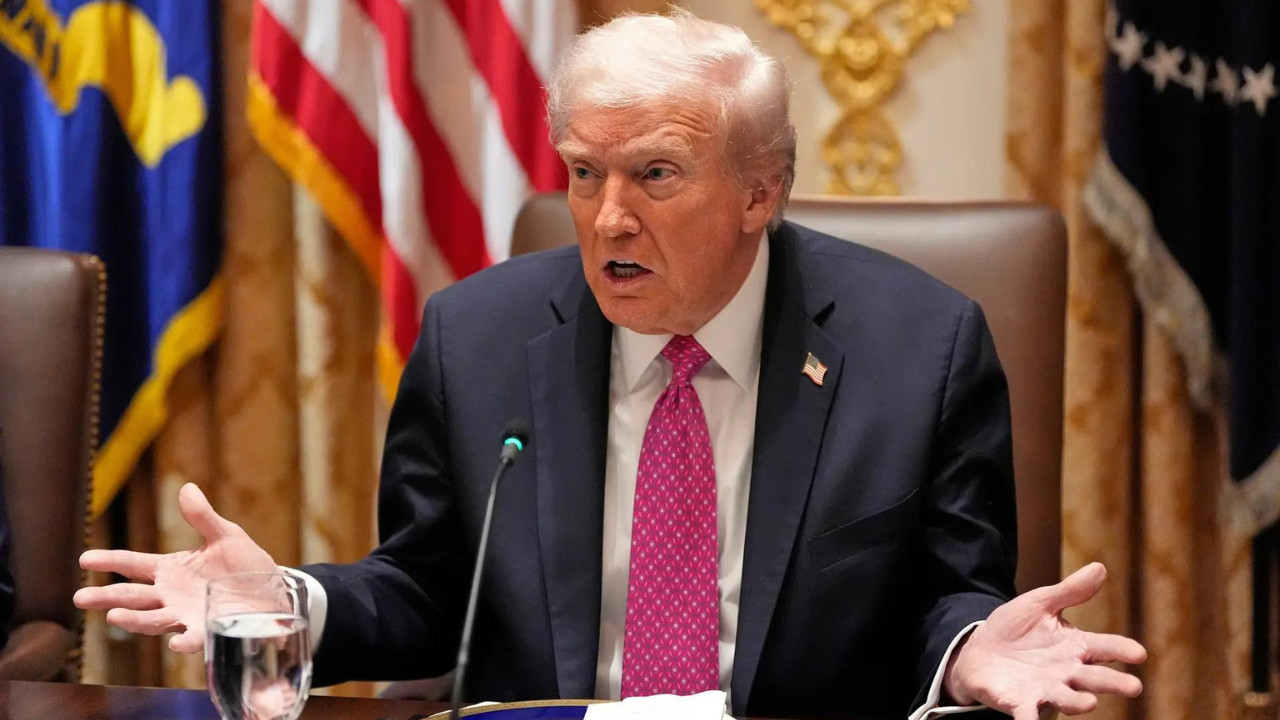
President Trump has hinted at $2,000 tariff dividend checks for Americans in 2026, funded by tariff revenue. These payments, potentially excluding high-income earners, are still under discussion. Legal challenges to existing tariffs and the need for congressional approval present significant hurdles for the plan.
The $2,000 Tariff Promise: Where’s the Payoff?
Remember that time someone promised you a huge windfall, a veritable fountain of free money? And then… crickets? That’s the feeling many Americans might be experiencing when they think back to promises made about tariff “dividends.” The idea, floated prominently during Donald Trump’s presidency, was simple: tariffs levied on imported goods would generate significant revenue, which could then be redistributed to American citizens, potentially to the tune of $2,000 per person. The concept, while appealing on the surface, has proven far more complex in practice.
So, what happened to that promised check? Did the funds materialize? And more importantly, does the economic theory behind the “tariff dividend” hold water? Let’s unpack the realities of tariffs and their impact on the American economy.
The Allure of the Tariff Dividend
The initial pitch was undeniably attractive. Imagine a scenario where international trade disputes actually benefit the average citizen directly. Tariffs, taxes on imported goods, are typically paid by the importing company, which theoretically would then be passed on to consumers. However, the claim was that the government would reap substantial financial gains from these tariffs, enough to distribute significant sums to every American household. It sounded like a win-win: protect American industries and give everyone a bit of extra cash.
But economics rarely work in such neat, straightforward ways.
The Reality of Tariffs: Not Quite a Money Tree
The fundamental problem with the “tariff dividend” is that it overlooks the ripple effects tariffs have on the broader economy. While tariffs do generate revenue for the government, they also introduce several negative consequences that can offset or even negate any potential gains.
First, tariffs almost invariably lead to higher prices for consumers. When importers have to pay more for goods coming into the country, they often pass those costs along to consumers in the form of increased prices. This erodes purchasing power and can disproportionately impact lower-income families.
Second, tariffs can spark retaliatory measures from other countries. When one nation imposes tariffs on another, the targeted nation often responds in kind, leading to a trade war. These retaliatory tariffs can hurt American exporters, making it more difficult for them to sell their goods abroad. This in turn can lead to job losses and economic slowdown.
Third, tariffs disrupt supply chains. Many American businesses rely on imported components or raw materials to manufacture their products. Tariffs on these inputs can raise production costs, making American businesses less competitive in the global market. This complexity makes accurately predicting the impact of  and distributing resulting funds a logistical and economic challenge.
The Trump Era Tariffs: What Actually Happened?
During the Trump administration, tariffs were imposed on a wide range of goods, particularly those imported from China. While these tariffs did generate revenue for the U.S. government, the promised “tariff dividends” never materialized. Instead, numerous studies showed that American consumers and businesses bore the brunt of the costs.

For example, a study by the Peterson Institute for International Economics found that the Trump-era tariffs led to higher prices for American consumers and reduced U.S. economic output. Similar findings have been echoed by other economic research institutions. The consensus is that the economic impact of tariffs is far more nuanced and often detrimental than initially portrayed.
Beyond the Dividend: Re-evaluating Trade Policy
The debate around tariffs and trade policy is far from over. While the idea of a direct “tariff dividend” appears unrealistic, the underlying questions about fair trade practices, protecting American industries, and promoting economic growth remain crucial. Moving forward, a more balanced and strategic approach to trade policy is needed. This includes carefully weighing the potential benefits and costs of tariffs, considering the broader economic implications, and engaging in constructive dialogue with trading partners. It’s also important to explore alternative strategies for supporting American industries, such as investing in education, infrastructure, and research and development. You may also find insightful information by reading about other economic strategies that could benefit American citizens.
The Bottom Line
The promise of a $2,000 tariff dividend was a compelling idea, but economic realities have proven it to be a flawed concept. While tariffs can generate government revenue, they also carry significant costs for consumers, businesses, and the overall economy. The experience serves as a reminder that trade policy is complex and that simple solutions rarely exist. A more nuanced approach, focused on strategic trade agreements and investments in domestic competitiveness, is essential for fostering long-term economic prosperity.