Is America’s Economic Armor Showing Cracks? Global Ratings Chief Weighs In
The world stage is a complex dance of economies, partnerships, and shifting allegiances. And lately, the music seems to be changing. A recent assessment from S&P Global Ratings suggests that the United States, once viewed as an unshakeable pillar of global stability, may be losing some of its luster as a reliable economic partner. Paul Gruenwald, S&P’s chief economist, has voiced concerns that resonate far beyond Wall Street, prompting a deeper look at the forces reshaping international perceptions of the American economy.
What’s fueling this change in perception? It’s not a single event, but rather a confluence of factors. Gruenwald points to the increasingly polarized political climate in the U.S., particularly the recurring debt ceiling debates, as a significant contributor. These episodes, often resolved at the eleventh hour, inject uncertainty into the global financial system and erode confidence in America’s commitment to its financial obligations. Imagine planning a long-term investment when the very bedrock of the economy you’re investing in seems prone to sudden tremors. That’s the kind of unease these political battles generate.
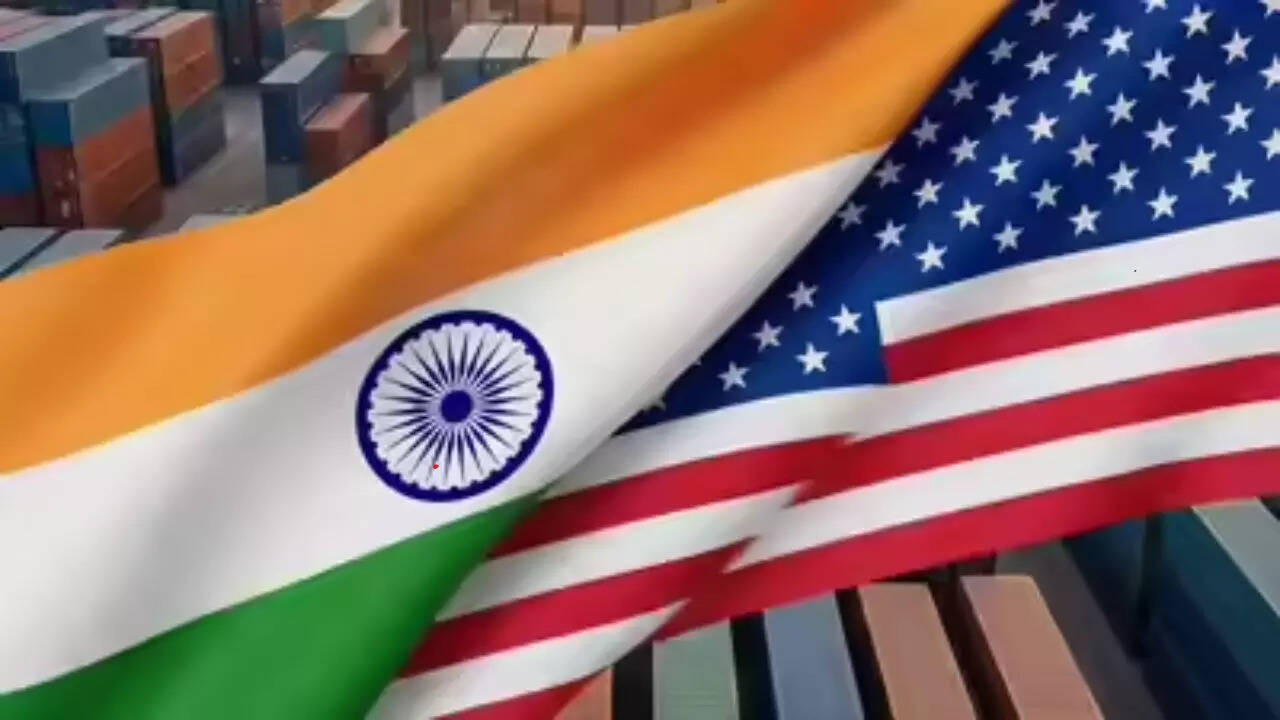
<img src="image-of-us-flag-and-economic-graphs.jpg" alt="Visual representation of the US economy and its global impact, highlighting economic reliability.”/>
Beyond the political theater, there’s a growing sense that the U.S. is becoming more inward-focused. This isn’t necessarily a criticism, but rather an observation about evolving priorities. Policies aimed at bolstering domestic industries and reducing reliance on foreign supply chains, while beneficial at home, can be interpreted by international partners as a shift away from global cooperation.

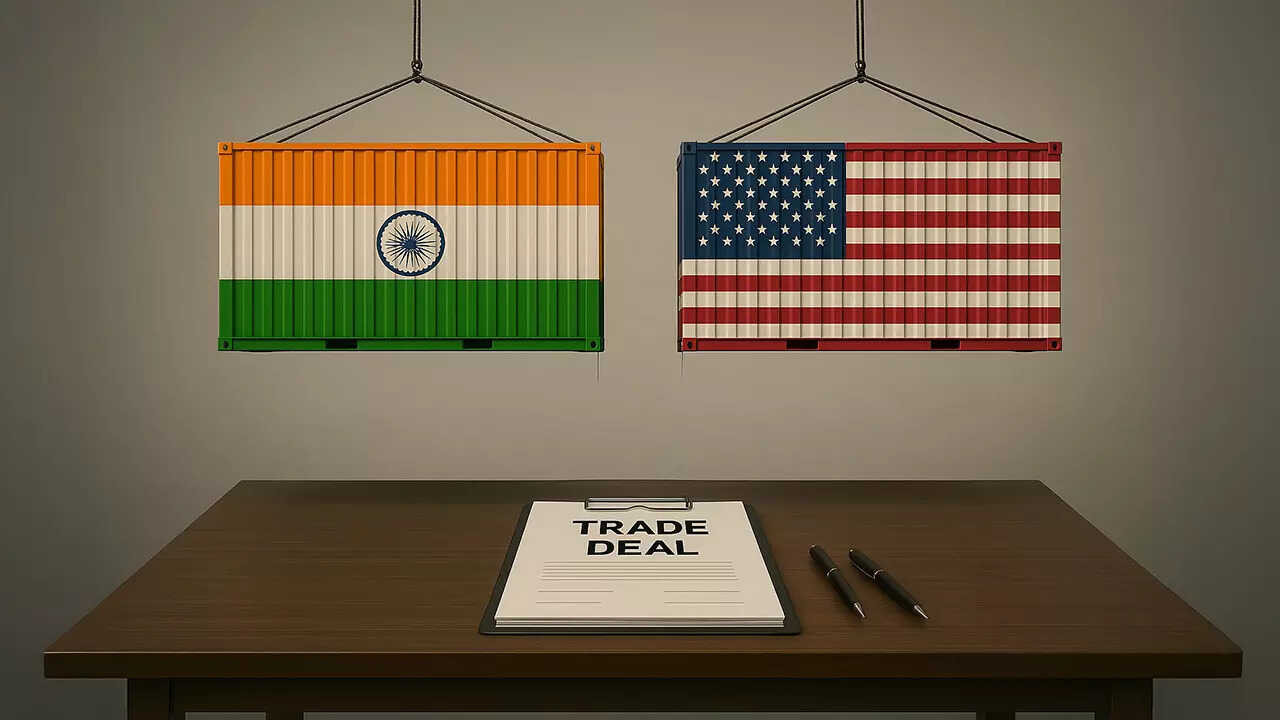
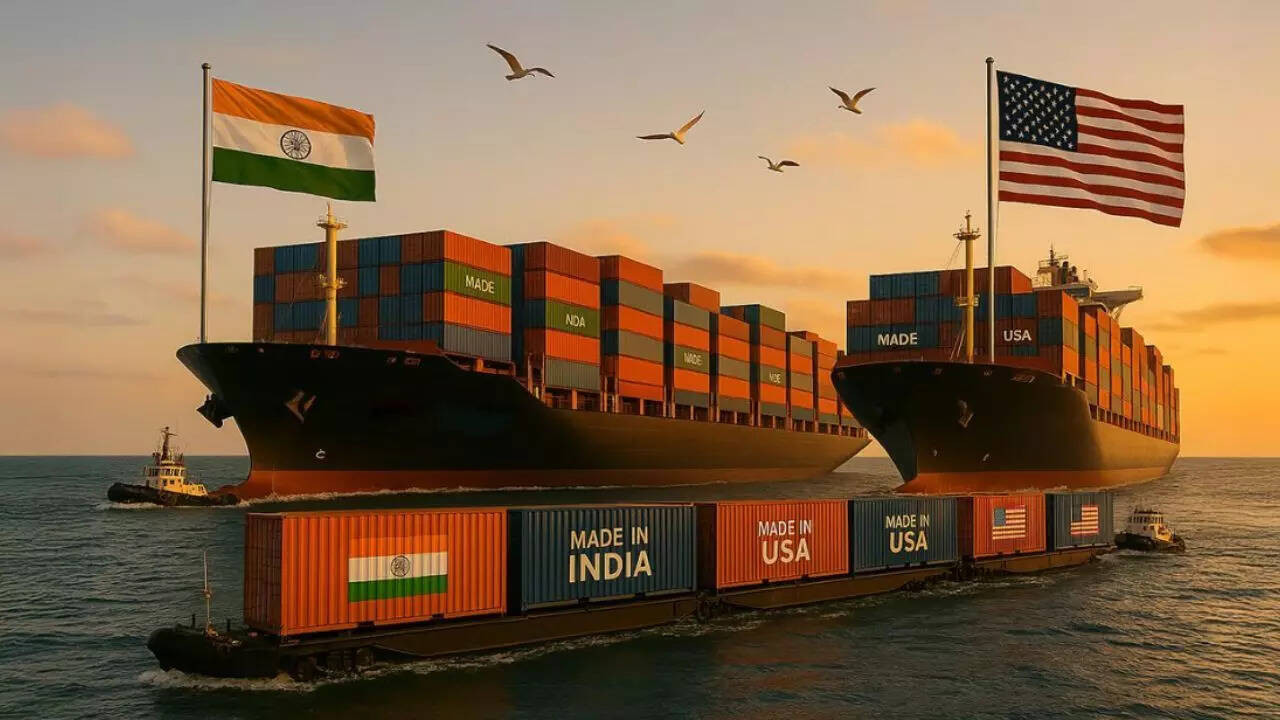
This perceived shift in economic reliability can have far-reaching consequences. Countries may begin to diversify their partnerships, seeking out alternative sources of investment and trade. This diversification, while potentially beneficial for the global economy as a whole, could gradually diminish the U.S.’s influence on the world stage. We see some of this in the increasing trade and influence of countries like China and India.
Of course, it’s important to remember that the U.S. economy remains a powerhouse. Its innovation, technological advancements, and deep capital markets are undeniable strengths. However, these strengths are not immune to the effects of political instability and a perceived retreat from global leadership.
The S&P Global Ratings assessment isn’t a doomsday prophecy, but rather a wake-up call. It highlights the importance of maintaining a stable and predictable economic environment, as well as fostering strong relationships with international partners. The U.S. needs to actively demonstrate its commitment to global cooperation and address the underlying political divisions that fuel uncertainty.
Furthermore, understanding the nuanced needs of other nations will be crucial in navigating the evolving landscape. Policies that prioritize domestic growth at the expense of international partnerships may ultimately prove counterproductive. Finding a balance between national interests and global responsibilities is key to preserving America’s standing as a reliable and influential economic force.
The question now is whether the U.S. can adapt to this changing landscape. Can it bridge the political divide, reaffirm its commitment to global cooperation, and demonstrate its economic reliability to the world? The answer to these questions will determine not only America’s future, but also the future of the global economy. It’s worth noting, too, that this shifting economic landscape has potential implications for areas like supply chain finance, which could see further volatility.
In conclusion, the assessment from S&P Global Ratings serves as a crucial reminder: in an interconnected world, economic reliability is paramount. The U.S. needs to address internal challenges and actively cultivate its global partnerships to maintain its position as a leading economic force, lest it risk further erosion of trust and influence in an increasingly competitive international arena.