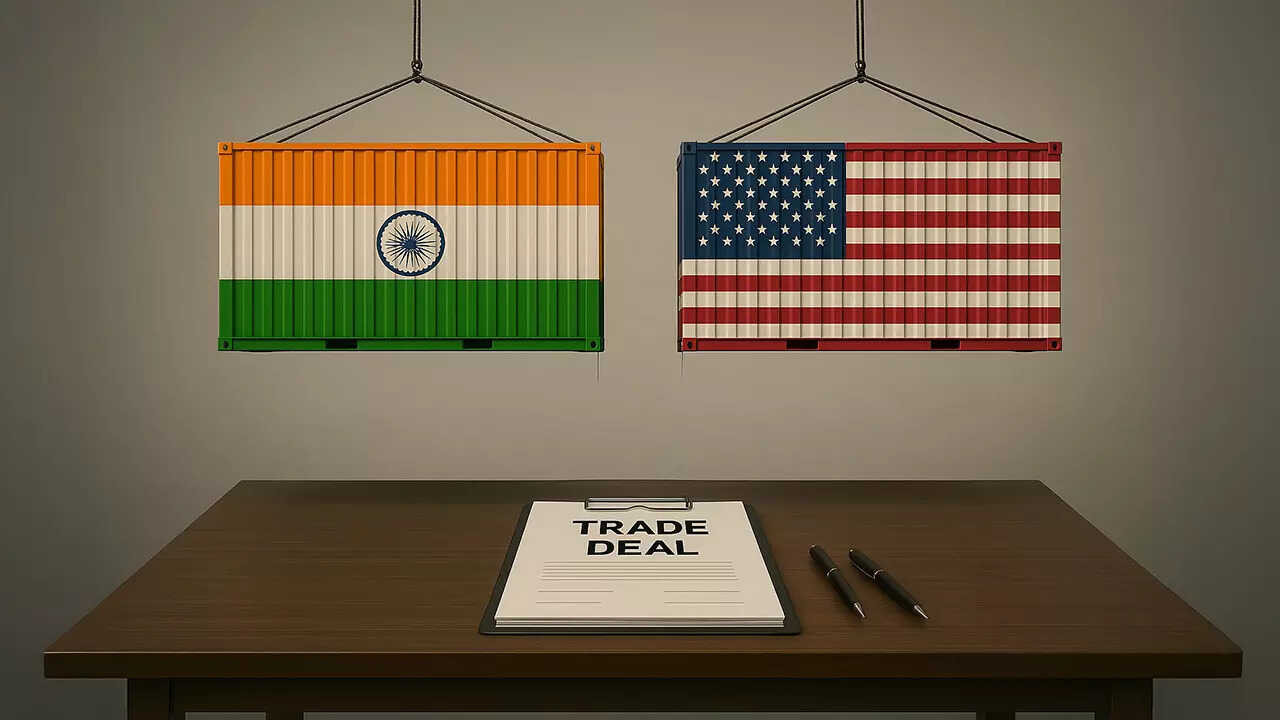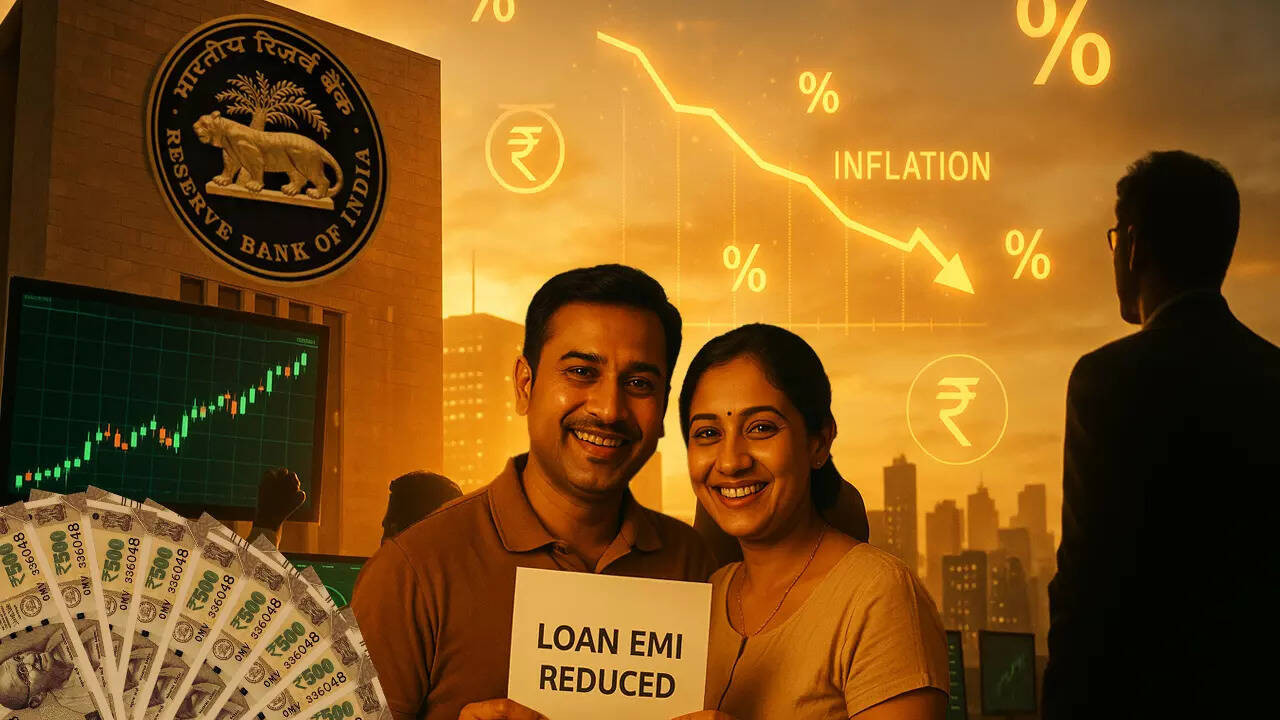
Retail inflation in October has hit its lowest level since 2013 – the time that this series of CPI inflation started. At the start of 2025, the repo rate stood at 6.5% – and as the end of the year approaches, it has come down by a full 100 basis points! Where will the easing cycle stop? Will RBI wait for more clarity on the India-US trade deal, or is time ripe for another rate cut?
Is India on the Verge of Cheaper Loans? The CPI Drop Explained
The air crackled with anticipation as the latest Consumer Price Index (CPI) figures landed. October 2025 saw retail inflation in India dip to a record low. The big question on everyone’s mind: Will the Reserve Bank of India (RBI) respond with a cut to the repo rate? And if they do, what does that mean for your monthly loan payments? Let’s break down what’s happening and what it might mean for your wallet.
Decoding the CPI Drop: What Does It Really Mean?
A low CPI figure is generally good news. It signals that the prices of everyday goods and services are rising at a slower pace, or even falling. Think of it like this: your grocery bill isn’t climbing as quickly as it used to. This newfound price stability can boost consumer spending and overall economic growth.
But why did this drop happen? Several factors likely contributed. Global commodity prices may have softened, government policies could be having a positive impact, and seasonal fluctuations in demand can always play a role. Untangling the exact mix of reasons is a complex task, but the bottom line is clear: prices are under control, at least for now.
The RBI’s Dilemma: To Cut or Not to Cut?
The RBI uses the repo rate – the interest rate at which it lends money to commercial banks – as a key tool to manage inflation. If inflation is high, the RBI might raise the repo rate to make borrowing more expensive, cooling down demand. Conversely, if inflation is low, as it is now, the RBI might consider lowering the repo rate to encourage borrowing and stimulate economic activity.


However, the decision isn’t always straightforward. The RBI has to consider a variety of factors beyond the CPI. They need to assess the overall health of the economy, global economic trends, and the potential impact of a rate cut on things like the exchange rate and investor sentiment.
A premature rate cut could reignite inflation if the underlying economic conditions aren’t quite right. On the other hand, waiting too long could stifle growth. The RBI is walking a tightrope, balancing the need to keep inflation in check with the desire to support a thriving economy.
Your Loan EMIs: Could They Be Coming Down?
This is the question on most people’s minds. If the RBI cuts the repo rate, banks are likely to follow suit by lowering their lending rates. This means that the interest you pay on your home loan, car loan, or personal loan could decrease, reducing your monthly EMIs.
Imagine putting that extra money back in your pocket each month. It could go towards savings, investments, or simply a little extra spending. The ripple effect of a repo rate cut can be significant for individual households.

However, it’s important to manage expectations. The extent to which banks pass on the rate cut to consumers can vary. Factors like the bank’s own cost of funds and competitive pressures will influence their decisions.
Furthermore, even if rates do come down, the impact on your EMI might not be dramatic, especially if you’re already well into the repayment period of your loan. A smaller rate cut will yield a smaller saving. Still, any reduction is welcome news for borrowers. To see how potential rate changes could affect your finances, check out our mortgage calculator.
Beyond the Repo Rate: Other Factors to Watch
While the repo rate is a key indicator, it’s just one piece of the puzzle. Keep an eye on other economic data, such as industrial production, employment figures, and global market trends. These factors can all influence the RBI’s decisions and the overall economic outlook. Understanding the broader context will help you make informed financial decisions.
The Path Ahead: Navigating the Changing Economic Landscape
The recent drop in CPI inflation has undoubtedly created an opportunity for the RBI to consider a repo rate cut. But the decision is complex and will depend on a careful assessment of various economic factors. For consumers, the prospect of lower loan EMIs is enticing, but it’s important to remain realistic and prepared for different scenarios. Monitoring the situation closely and understanding the underlying dynamics will empower you to navigate the changing economic landscape effectively.