Navigating the Trade Winds: India’s October Trade Deficit
October painted a vibrant picture of Diwali celebrations, but beneath the surface, economic currents were shifting. India’s trade deficit surged to a record high of $31.46 billion, a number that has economists and policymakers alike taking notice. It’s a stark figure compared to the $26.72 billion deficit recorded in September, and a considerable leap from the $18.37 billion seen in October of the previous year. But what exactly does this mean, and how should we interpret this economic weather report?
A trade deficit, simply put, means a country is importing more goods and services than it’s exporting. Think of it like a household budget – if you’re spending more than you’re earning, you’re running a deficit. While a trade deficit isn’t inherently bad, a rapidly expanding one, like the one we’re currently observing, deserves closer examination.
The Culprits Behind the Climb
So, what fueled this significant jump? Several factors conspired to widen the gap between imports and exports. India’s import bill increased to $60.61 billion in October, an increase of 12.3% compared to the same period last year. Key drivers behind this surge included increased demand for petroleum products, electronic goods, and, perhaps surprisingly, gold.
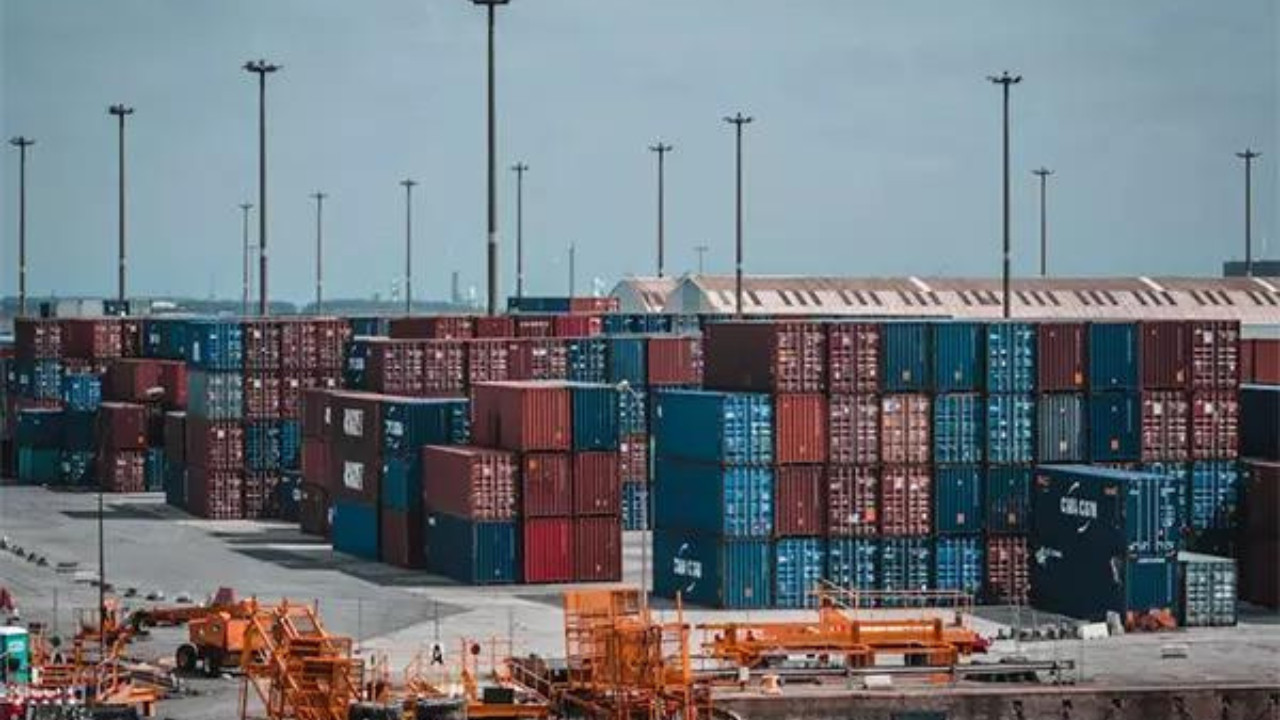
<img src="image-of-cargo-ship.jpg" alt="Cargo ship laden with containers, illustrating India's increasing trade deficit.”/>
The demand for these items reflects a mix of factors. Petroleum imports are a necessity for a growing economy, powering industries and transportation. Electronic goods, encompassing everything from smartphones to industrial components, are integral to India’s digital transformation and manufacturing sector. And gold? Well, its enduring appeal as a safe haven asset and a cultural staple for celebrations like Diwali continues to drive demand.

On the other side of the coin, India’s exports experienced a slight contraction, falling to $29.11 billion in October. This downturn, though modest, contributed to the widening of the deficit. A global slowdown in demand, coupled with geopolitical uncertainties, played a role in dampening export growth. Key export sectors such as engineering goods and textiles faced headwinds, impacting overall export performance.
Understanding the Impact of a Growing Trade Deficit
A ballooning trade deficit can have several consequences. Firstly, it puts downward pressure on the Indian rupee. To finance the excess of imports over exports, there’s an increased demand for foreign currency (primarily US dollars), which can weaken the rupee’s value against the dollar. This, in turn, can make imports even more expensive, potentially fueling inflation.
Secondly, a large trade deficit can signal underlying structural issues within the economy. It might suggest that domestic industries are not competitive enough to meet local demand or that export sectors are facing challenges in the global market.
Finally, while a deficit isn’t necessarily a sign of distress, it does mean that India is accruing liabilities to the rest of the world. This can affect the country’s balance of payments and its overall financial stability in the long run.
Is There Cause for Concern?
While the October figures are certainly noteworthy, it’s crucial to maintain perspective. A single month’s data doesn’t define an entire economic trend. It’s essential to analyze the data over a longer period and consider various other economic indicators.

The Indian government has been actively working to boost exports through various initiatives, including production-linked incentive (PLI) schemes aimed at encouraging domestic manufacturing and increasing competitiveness. These efforts are designed to reduce reliance on imports and strengthen India’s export capabilities.
Furthermore, global economic conditions are constantly evolving. As the world economy recovers and trade patterns shift, India’s trade dynamics are likely to change as well. It’s about playing the long game. This situation also highlights the need for India to aggressively pursue new trade agreements and diversify its export markets. See more on India’s evolving economic environment on our site.
Charting a Course Forward
The recent surge in India’s trade deficit serves as a reminder of the complex interplay of factors that influence a nation’s economic health. While the numbers might raise eyebrows, they also provide an opportunity to reassess strategies, strengthen domestic industries, and enhance export competitiveness. The path forward requires a multi-pronged approach, combining proactive government policies with the resilience and innovation of Indian businesses. Addressing this widening trade deficit is important to secure the economic future. Only time will tell how the nation will respond.