Navigating the Rupee’s Winding Road: Will it Hit 90 Against the Dollar?
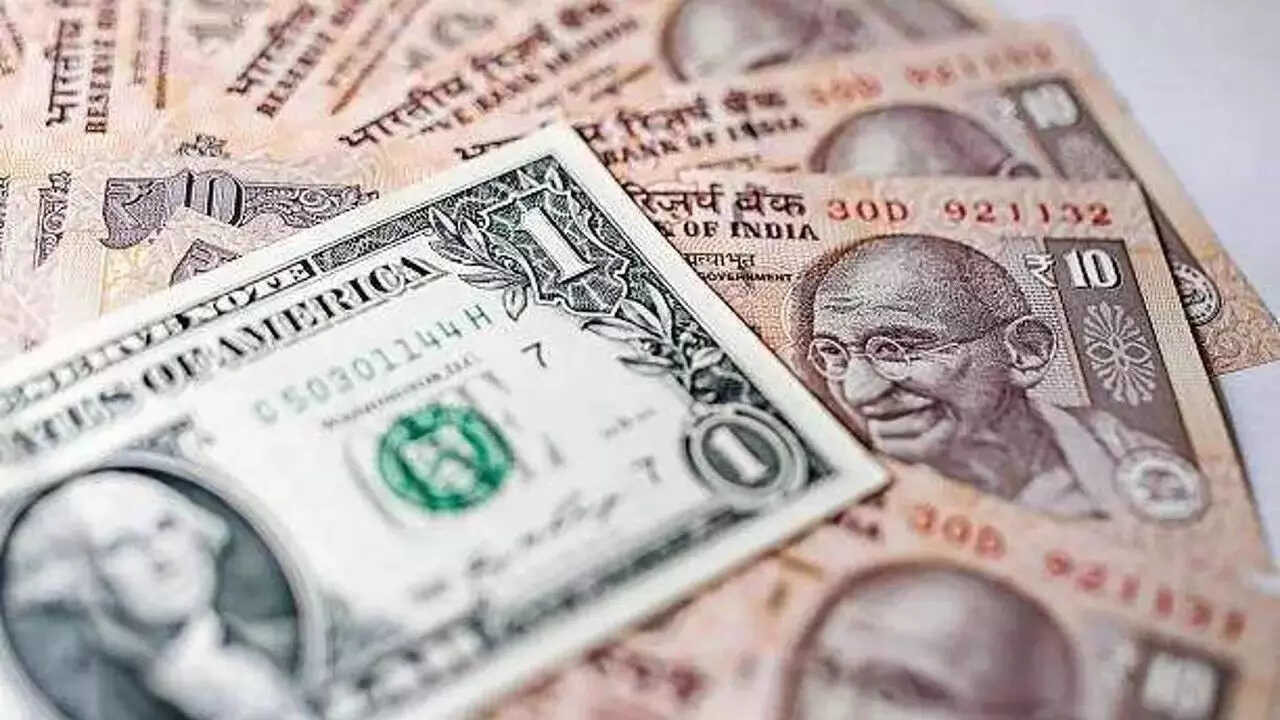
The Indian Rupee (INR) has always been a subject of intense scrutiny, both domestically and internationally. Its movements reflect a complex interplay of global economics, domestic policy, and market sentiment. Recently, a new report has surfaced, suggesting a potential weakening of the Rupee, possibly reaching 90 against the US dollar by March 2026. Let’s unpack what this forecast means and what factors could contribute to this shift.
What’s Driving the Downward Pressure on the Rupee?
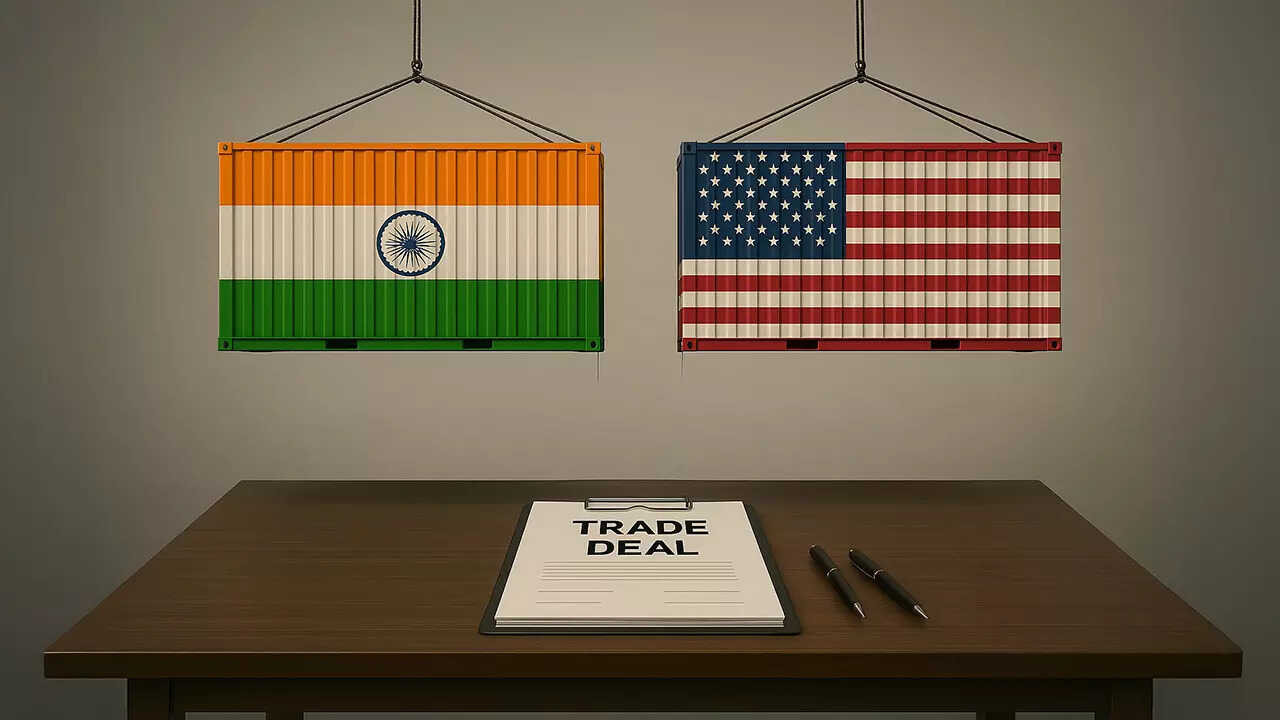
Several factors are contributing to the projected depreciation. The report highlights the potential for increased tariff risks impacting Indian exports. In a world grappling with geopolitical uncertainties and protectionist tendencies, India’s trade relationships are under constant pressure. Higher tariffs imposed by key trading partners would undoubtedly dampen export growth, putting downward pressure on the INR.
Beyond tariffs, the ever-present dance between inflation and interest rates plays a crucial role. While the Reserve Bank of India (RBI) has been diligently working to manage inflation, global inflationary pressures, particularly from energy prices, continue to pose a challenge. To combat inflation, central banks often raise interest rates. However, aggressive rate hikes can sometimes stifle economic growth, creating a delicate balancing act. If the US Federal Reserve continues its hawkish stance, the dollar could strengthen further, indirectly impacting the Rupee.

Furthermore, fluctuations in global crude oil prices have a significant influence. India, being a major oil importer, feels the pinch whenever oil prices surge. A sustained rise in oil prices can widen the current account deficit, weakening the Rupee.

Key Technical Levels to Watch
For those who follow the markets closely, certain technical levels are crucial indicators of potential future movements. Market analysts will be closely watching resistance levels, which the Rupee has struggled to breach in the past. Successfully breaking through these levels could signal a period of strengthening, while failure to do so might confirm the bearish outlook. Conversely, support levels will be equally important, indicating potential floors below which the Rupee is unlikely to fall, at least in the short term. Monitoring these levels provides insight into the ongoing tug-of-war between buyers and sellers of the Indian currency.
Implications for the Indian Economy
A weaker Rupee has both pros and cons. On the one hand, it can make Indian exports more competitive, boosting export-oriented sectors like textiles, pharmaceuticals, and IT services. This can lead to increased revenue and job creation. On the other hand, a weaker Rupee makes imports more expensive, potentially fueling inflation and impacting sectors that rely heavily on imported raw materials or components.
For consumers, a weaker Rupee could translate to higher prices for imported goods, including electronics, automobiles, and even certain food items. Traveling abroad might also become more expensive. Businesses with significant foreign currency debt may also face increased repayment burdens.
What’s the RBI’s Role?
The Reserve Bank of India (RBI) plays a crucial role in managing the Rupee’s exchange rate. The RBI intervenes in the foreign exchange market to stabilize the currency and prevent excessive volatility. It uses its foreign exchange reserves to buy or sell Rupees, influencing the supply and demand dynamics. The extent of the RBI’s intervention depends on various factors, including the overall economic situation, the level of foreign exchange reserves, and the perceived threat to financial stability. However, the central bank has its limitations, and a persistent downward trend requires a more holistic approach involving fiscal and monetary policies.
For a deeper dive into the interplay between the Rupee and the Indian economy, explore our analysis of [recent monetary policy decisions](/blog/monetary-policy-impact-on-rupee).

Looking Ahead: Uncertainty Remains
While the report projects a potential weakening to 90 per dollar, it’s important to remember that these are forecasts, not guarantees. The actual trajectory of the Rupee will depend on a multitude of factors, many of which are subject to change. Geopolitical developments, shifts in global economic sentiment, and policy decisions, both in India and abroad, can all significantly impact the currency’s future. Predicting the future with absolute certainty is impossible, but staying informed, monitoring key indicators, and understanding the underlying drivers of currency movements can empower individuals and businesses to navigate the evolving economic landscape more effectively.
Ultimately, the journey of the Indian Rupee is intertwined with the broader narrative of India’s economic growth and its role in the globalized world. Whether it strengthens, weakens, or remains stable, one thing is certain: it will continue to be a closely watched indicator of India’s economic health and prospects.