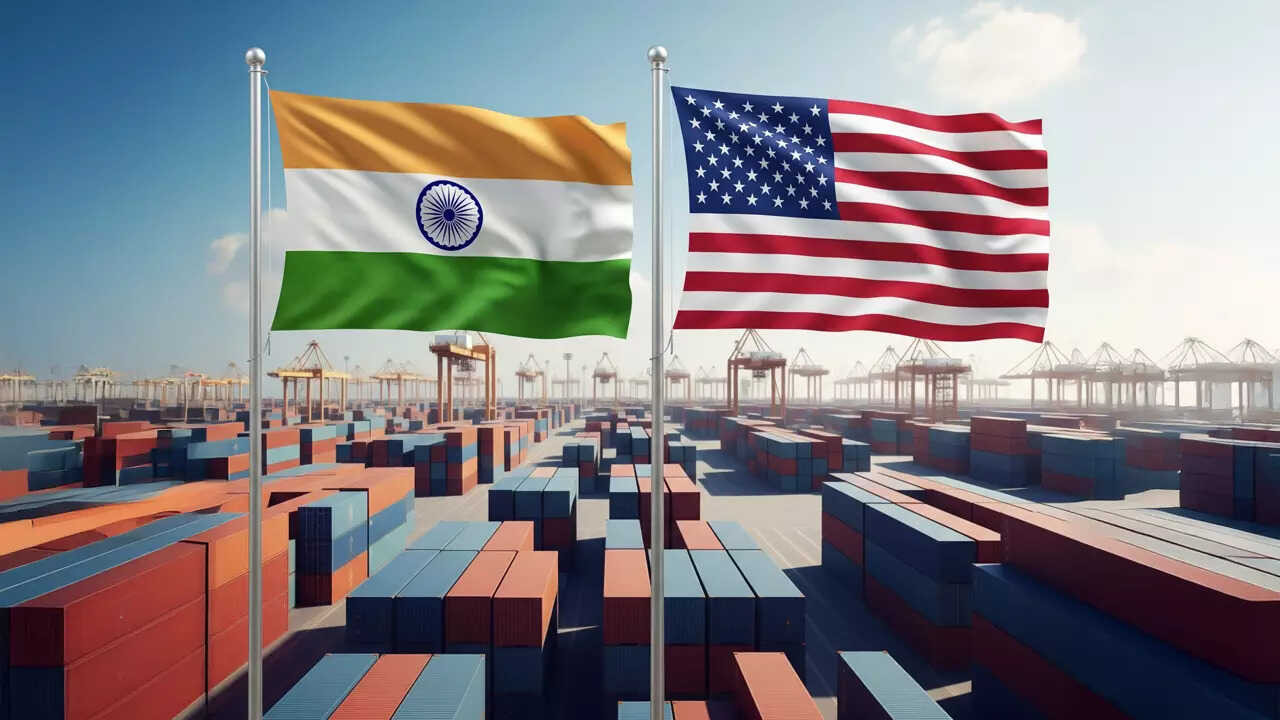
India is negotiating with the US from a position of strength, with its economy robust and export declines to America less severe than anticipated. Despite US tariffs, India’s “ready to wait” approach allows it to push for favorable terms, while exporters are supported by trade deals and domestic measures.
India Plays the Long Game in US Trade Negotiations
The air hangs thick with anticipation, not just in Delhi’s bustling markets, but also in the polished halls where trade negotiations with the United States unfold. While other nations might feel the pressure to quickly appease Washington, India seems to be adopting a different, more patient approach. What’s giving New Delhi the space – and the confidence – to play the long game in this high-stakes tariff tango?
The answer, it turns out, is multifaceted, woven from threads of economic resilience, strategic diversification, and a quiet understanding of its own growing power on the global stage. India isn’t simply reacting to American pressure; it’s strategically positioning itself for a future where it dictates, rather than merely accepts, trade terms.
A Booming Domestic Market: Insulation from External Shocks
One key factor bolstering India’s position is the sheer size and dynamism of its domestic market. With a population exceeding 1.4 billion, a rapidly growing middle class, and an increasing appetite for goods and services, India is less reliant on exports than many other nations. While tariffs undoubtedly sting certain sectors, the overall impact on the Indian economy is somewhat buffered by its robust internal demand. The engine of the Indian economy is increasingly powered by domestic consumption, reducing its vulnerability to external pressures, like tariffs imposed by the US.
This isn’t to say that Indian businesses are unaffected by trade barriers. Sectors like steel, aluminum, and certain agricultural products have felt the pinch. However, the government has been proactive in exploring alternative markets and providing support to affected industries. This proactive approach, coupled with the fundamental strength of the domestic market, allows India to approach negotiations from a position of relative strength.

Diversification is Key: Building a Broader Network
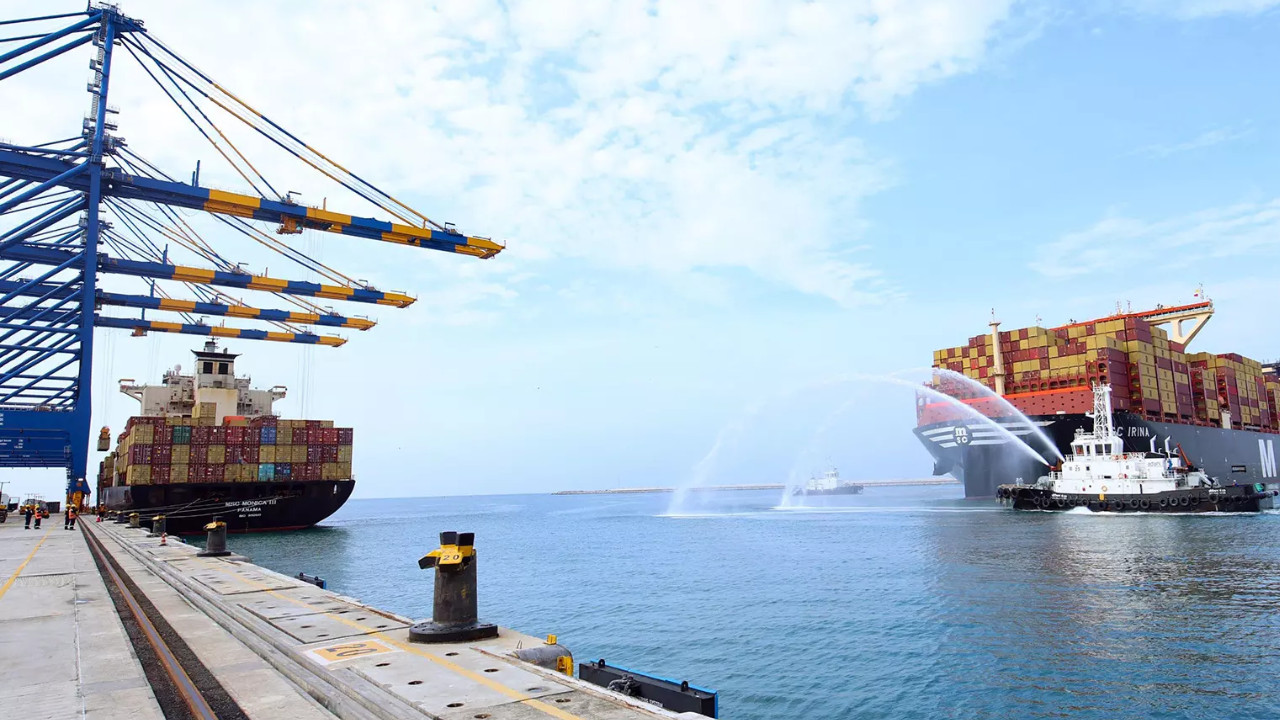
Another crucial element in India’s strategy is its deliberate diversification of trade relationships. While the United States remains an important partner, India has actively sought to deepen ties with other nations and regions, including the European Union, Southeast Asia (through ASEAN), and countries in Africa and Latin America. These efforts are not just about finding new markets; they are about building a more resilient and balanced trade portfolio. By reducing its dependence on any single trading partner, India mitigates the risk associated with potential trade disruptions. This diversification is an ongoing process, but it’s already providing India with greater leverage in its negotiations with the US.
<img src="image-url.jpg" alt="An aerial view of a bustling Indian market, showcasing India's large domestic market and its role in Indian trade.”/>
This strategy is akin to not putting all your eggs in one basket. If the US basket becomes less appealing due to tariffs, India has other baskets ready and waiting. This strategic foresight significantly enhances India’s negotiating power.
Geopolitical Considerations: A Rising Power
Beyond economics, geopolitical factors also contribute to India’s confident stance. India is increasingly recognized as a major player on the world stage, with growing influence in areas ranging from climate change to regional security. Its strategic importance in the Indo-Pacific region, particularly as a counterweight to China, further strengthens its hand.
The United States recognizes the importance of a strong and stable India in the region. This geopolitical reality creates a dynamic where the US needs India just as much as India needs the US, giving India additional leverage in trade negotiations. India’s growing geopolitical clout allows it to negotiate from a position of equality, rather than subservience. Learn more about India’s geopolitical role and its impact on international trade.

Playing the Long Game: A Calculated Approach
India’s willingness to “wait for a deal,” as the saying goes, stems from a combination of economic resilience, strategic diversification, and growing geopolitical influence. It’s a calculated approach, based on the understanding that a rushed agreement is often a bad agreement. India is willing to weather short-term pain in exchange for long-term gains, and is clearly confident in its ability to navigate the complex landscape of international trade. This patience isn’t just a negotiating tactic; it’s a reflection of India’s evolving role in the global economy.
The underlying message is clear: India is no longer willing to accept trade terms dictated solely by others. It is a rising power with its own interests and priorities, and it intends to negotiate accordingly. The tariff tango may continue, but India is prepared to lead, not just follow, and the world awaits to see the steps to come.