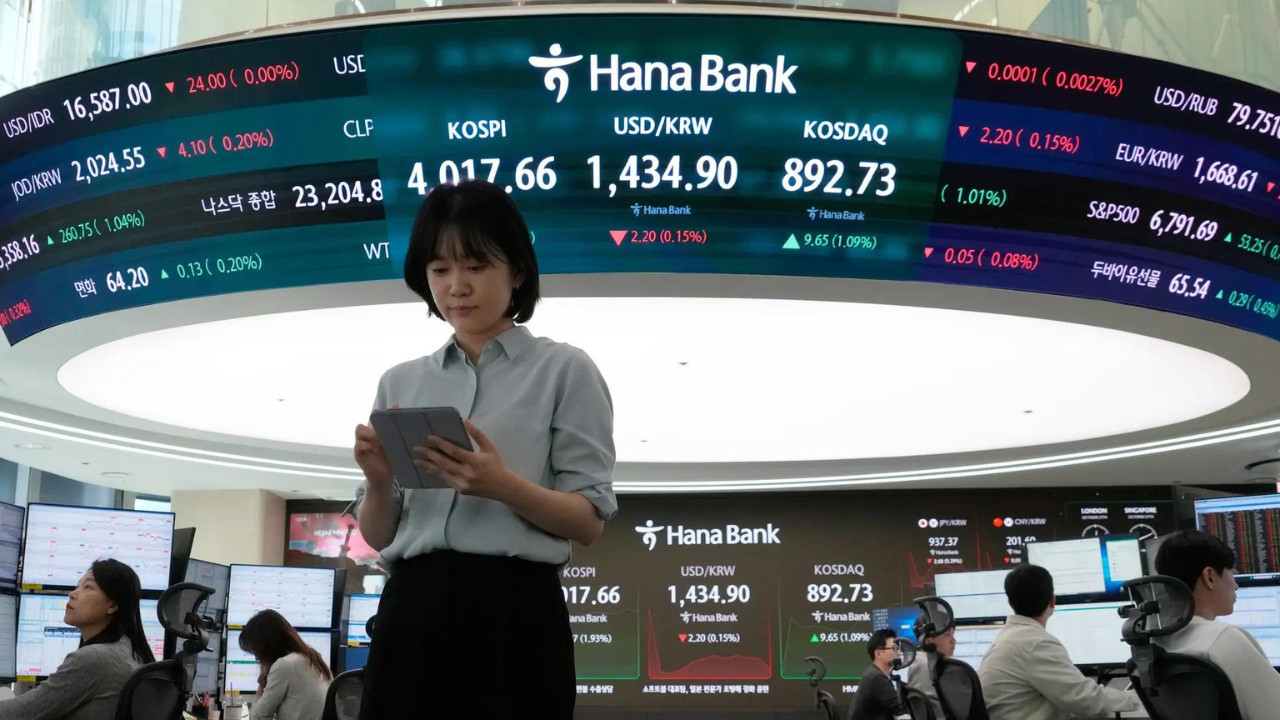
Asian equities tumbled Friday, led by tech stocks, as renewed fears of an AI bubble and ambiguous US jobs data spooked investors. Despite Nvidia’s strong earnings, markets across Tokyo, Hong Kong, and Seoul saw significant drops, with chipmakers bearing the brunt of the sell-off. This downturn followed a Wall Street reversal, as investors reassessed the Federal Reserve’s rate path.
Navigating Choppy Waters: Understanding the Recent Asia Stocks Slide
Global markets are feeling the chill. A sense of unease is rippling across trading floors, and Asia’s stock markets are certainly feeling the pressure. We’re witnessing a risk-off sentiment taking hold, impacting investor decisions and shaking established trends. But what’s fueling this shift, and what does it mean for your portfolio?
Several factors are contributing to the current market volatility. A key element is persistent inflation, stubbornly refusing to retreat as quickly as hoped. Central banks, while committed to price stability, are walking a tightrope, attempting to tame inflation without triggering a significant economic downturn. Their decisions on interest rates are being scrutinized with laser focus, and even a hint of hawkishness sends tremors through the markets.
Then there’s the geopolitical landscape. Ongoing conflicts and political tensions around the globe are adding another layer of uncertainty. These events disrupt supply chains, impact commodity prices, and generally contribute to a climate of anxiety that makes investors hesitant to take on risk. All of this culminates in a cautious investment environment – but it’s not time to panic, it is time to understand.
Asia Stocks Hit Turbulence: What’s Behind the Downturn?
The recent performance of Asian markets reflects this global uncertainty. From Tokyo to Seoul, major indices have experienced declines, indicating a broad-based pullback. While individual markets face unique challenges, a common thread runs through the region: a heightened aversion to risk. Investors are pulling back from growth-oriented assets and seeking safer havens, such as government bonds or the U.S. dollar.

This shift is further exacerbated by concerns about economic growth in key Asian economies. China, a major engine of regional growth, is facing headwinds. While the nation’s reopening was initially met with optimism, the recovery has been uneven. Sluggish consumer spending and concerns about the property sector are weighing on sentiment. 
The strength of the U.S. dollar is another factor impacting Asian markets. A stronger dollar makes it more expensive for Asian companies to repay dollar-denominated debt, potentially impacting their profitability. It also makes Asian exports relatively more expensive, which can hurt export-oriented economies.
Oil’s Continued Slide: A Sign of Broader Economic Concerns?
The energy sector is also sending signals. Oil prices have been on a downward trend, extending weekly losses. This is partly due to concerns about slowing global demand, reflecting worries about a potential recession. Lower oil prices can be a double-edged sword for Asian economies. While it can ease inflationary pressures, it can also signal broader economic weakness. For oil-producing nations within Asia, lower prices can negatively impact government revenues and economic growth.
Navigating the Uncertainty: Strategies for Investors
So, what should investors do in this environment? First, it’s crucial to maintain a long-term perspective. Market volatility is a normal part of the investment cycle. Trying to time the market is often a losing game. Instead, focus on building a diversified portfolio that aligns with your risk tolerance and investment goals. Reviewing your asset allocation and making adjustments as needed is always a prudent move, especially in times of uncertainty.
Consider focusing on companies with strong fundamentals and a proven track record of profitability. These companies are often better positioned to weather economic storms. Dividend-paying stocks can also provide a source of income during periods of market volatility. Moreover, diversifying your investments across different sectors and geographies can help mitigate risk.

For those seeking a more conservative approach, consider increasing your allocation to fixed income assets, such as government bonds. While bonds may offer lower returns than stocks, they can provide stability during periods of market turmoil. Always remember that every investment comes with inherent risk. It’s best to speak with a qualified financial advisor. They can help you assess your individual circumstances and develop a tailored investment strategy. Consider reading up on [alternative investment strategies](internal-link-to-related-content) to help you hedge against market downturns.
The Road Ahead: Staying Informed and Adaptable
The current market environment presents challenges, but it also offers opportunities. By staying informed, understanding the factors driving market volatility, and adopting a disciplined investment approach, you can navigate these choppy waters and position yourself for long-term success. The key is to remain flexible and adaptable, adjusting your strategy as the market evolves. While forecasting short-term market movements is nearly impossible, understanding the underlying trends and potential risks is essential for making informed investment decisions. This period underscores the importance of careful planning and a considered response, rather than reactive decisions based on fear or speculation.