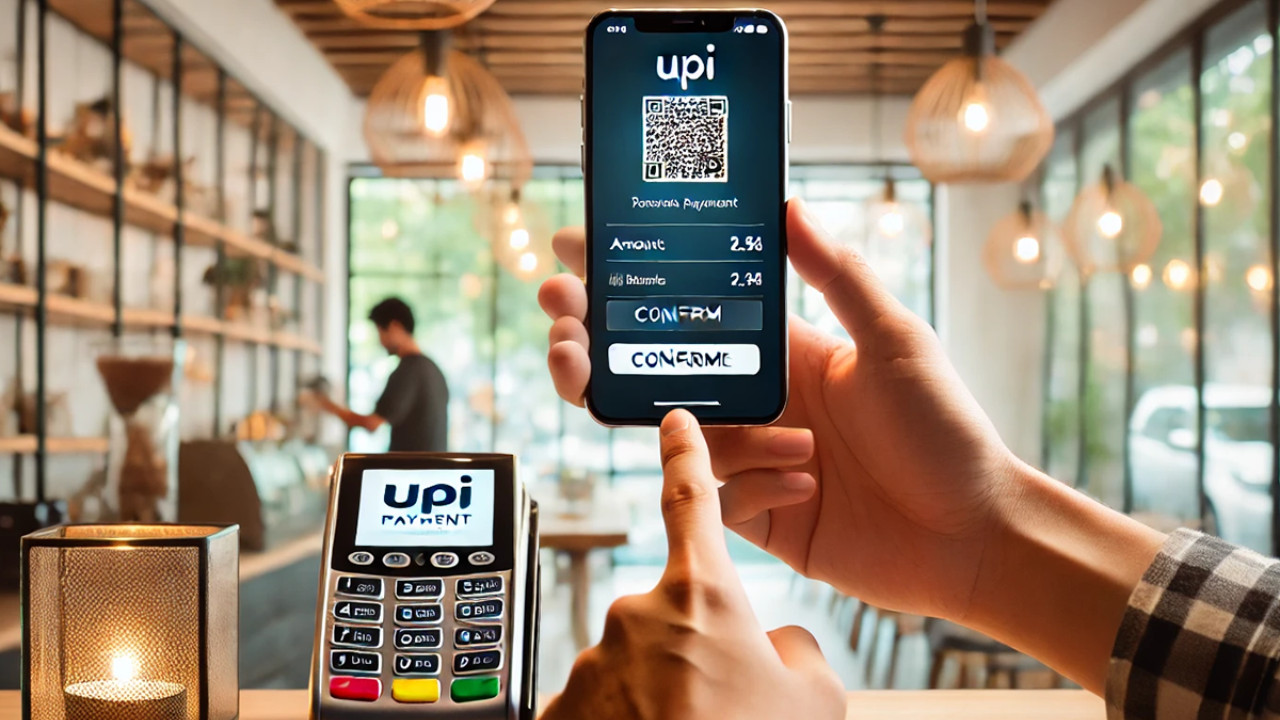
India’s UPI is set to connect with Europe’s instant payment system, TIPS, a significant step towards cheaper and faster cross-border remittances. This collaboration between RBI and the European Central Bank aims to create a direct digital payment channel between India and the Euro Area, enhancing accessibility and transparency as per G20 goals. Technical integration is the next crucial phase.
UPI Goes Global: India and Europe Embark on Cross-Border Payment Revolution
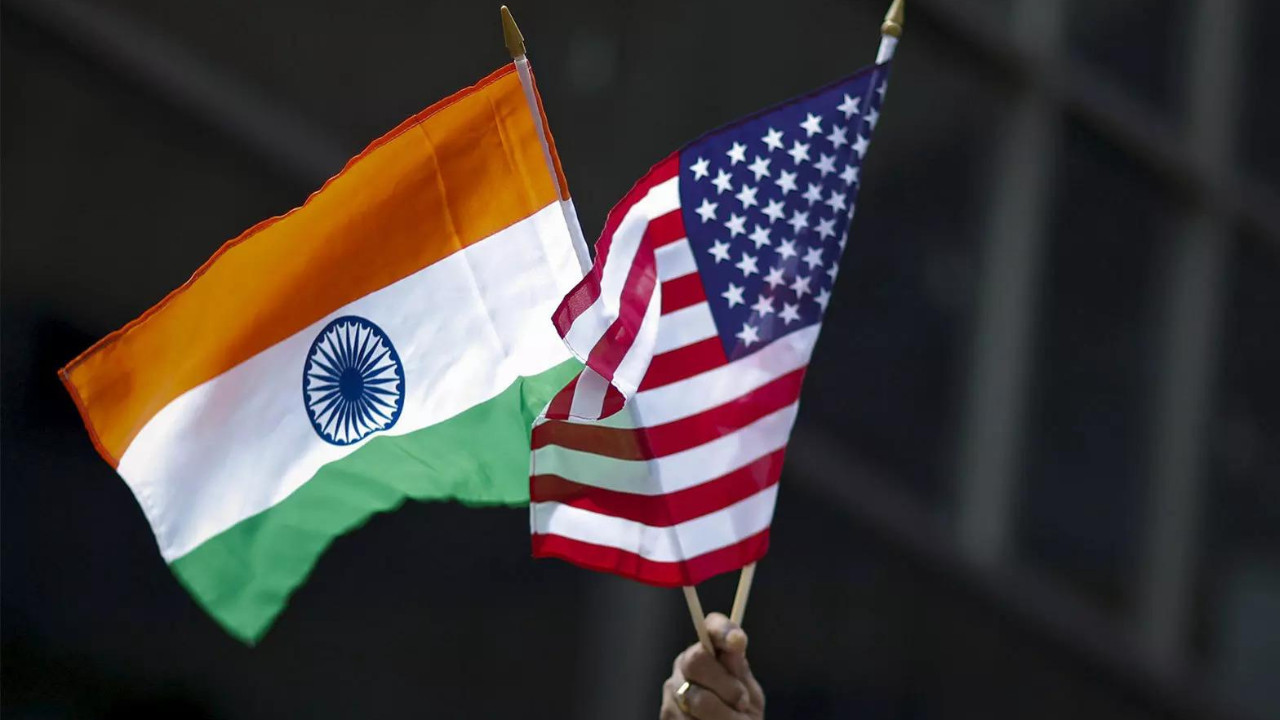
Imagine sending money to your cousin studying in Berlin as easily as paying for your morning chai. That future is closer than you think. India and the European Union have officially kicked off the first phase of linking India’s Unified Payments Interface (UPI) with Europe’s instant payment system, TIPS (Target Instant Payment Settlement). This move isn’t just about convenience; it’s poised to reshape international transactions and make cross-border payments cheaper and faster.
For years, sending money across borders has been a frustrating experience. High transaction fees, slow processing times, and complex procedures were the norm. The existing system, often reliant on intermediaries, added layers of cost and inefficiency. But the collaboration between India and the EU signals a potential paradigm shift. This initial phase focuses on streamlining remittances, making it significantly easier and more affordable for individuals to send money home.
The implications of this collaboration extend far beyond individual remittances. Think about the potential for boosting trade and tourism between India and Europe. Businesses will be able to conduct transactions more efficiently, reducing costs and improving cash flow. Tourists can enjoy the convenience of using UPI, a payment system they’re already familiar with, while traveling in Europe. This enhanced accessibility could stimulate economic growth on both sides.


But what exactly makes this linkage so revolutionary? UPI, developed by the National Payments Corporation of India (NPCI), has already transformed the Indian payments landscape. Its user-friendly interface and instant transaction capabilities have made it incredibly popular. TIPS, managed by the European Central Bank, is a similar real-time payment system that enables instant money transfers across Europe. By connecting these two platforms, India and the EU are creating a direct and efficient channel for cross-border payments, cutting out intermediaries and reducing transaction costs. The goal is to eventually allow users in both regions to make payments to each other using their existing UPI or TIPS accounts.
The first phase involves integrating UPI with payment service providers in Europe. This will allow users in India to send money to beneficiaries in Europe through these providers. As the system matures, it is expected to expand to include more banks and payment service providers, further enhancing its reach and accessibility. Future phases could even include enabling merchants in Europe to accept UPI payments, opening up new avenues for Indian businesses and tourists.
The timing of this initiative is particularly significant. As global trade and migration continue to increase, the need for efficient and affordable cross-border payments has become more pressing than ever. This collaboration between India and the EU demonstrates a commitment to fostering financial innovation and promoting economic integration. It sets a precedent for other countries to follow, potentially leading to a global network of interconnected payment systems. This is all part of a broader move to reduce the dominance of traditional financial networks and boost adoption of new systems.

For regular updates on the rollout of UPI’s global expansion, you can read more about NPCI’s international initiatives.
The linking of UPI and TIPS represents a significant step towards a more seamless and affordable global payments landscape. While challenges undoubtedly lie ahead, the potential benefits are immense. By reducing transaction costs, improving efficiency, and promoting financial inclusion, this collaboration has the power to transform international trade, tourism, and remittances between India and the European Union. The road ahead involves navigating regulatory hurdles and ensuring interoperability between the two systems, but the initial phase holds great promise for a future where sending money across borders is as easy as sending a text message. This initiative could pave the way for a more connected and inclusive global economy, driven by innovative payment solutions.