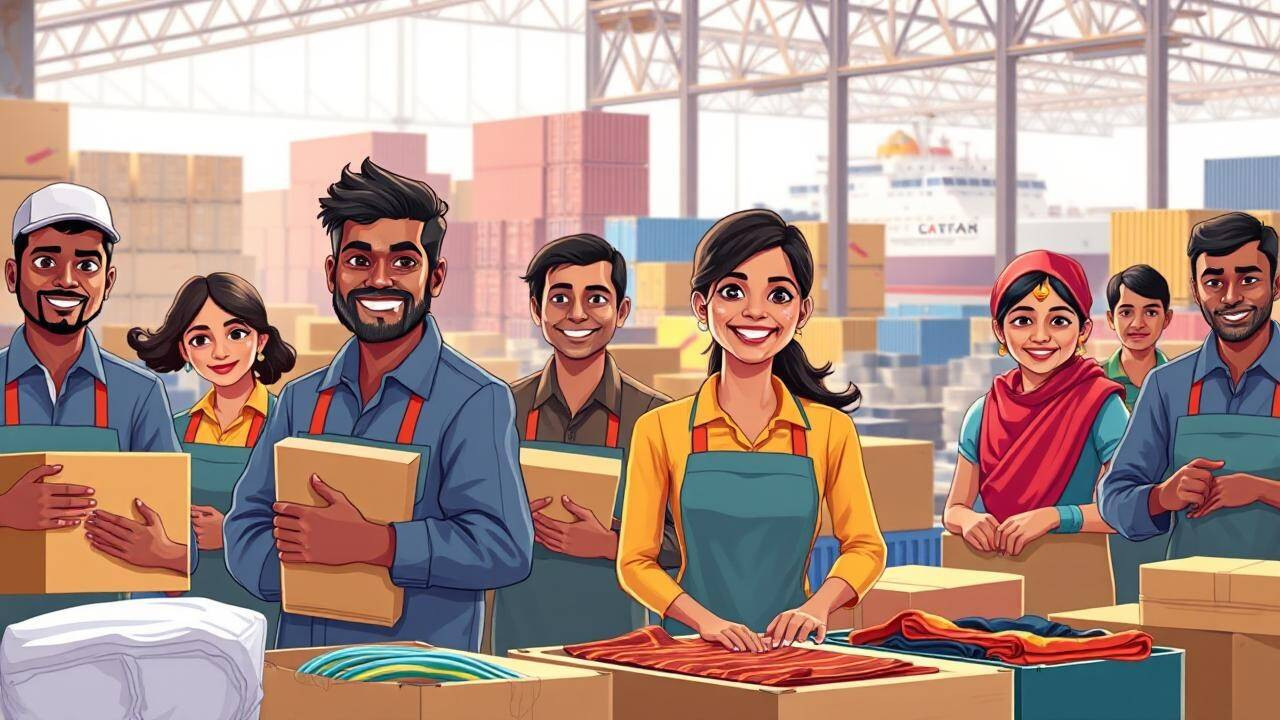
India’s new labor codes aim to strengthen export industries by offering a more predictable operating environment. The reforms introduce flexibility and simplification for businesses while ensuring fair wages, safety, and social security for workers, including gig and platform employees. These changes are expected to enhance India’s export ecosystem and align it with international labor standards.
India’s Labour Law Overhaul: A Springboard for Export Growth?
For years, India’s labyrinthine labour laws have been a topic of hot debate, a tangled web often cited as a hurdle to economic growth, especially in the export sector. Now, a sweeping overhaul is on the horizon, promising simpler regulations, gender-equal norms, and a more predictable cost structure. But will these new labour codes truly unlock India’s export potential, or are there still challenges that need to be addressed?
The impending implementation of these codes is generating significant buzz, particularly among exporters. Imagine a scenario where businesses can navigate labour regulations with greater ease, accurately predict associated costs, and operate within a framework that promotes equal opportunities for all employees. This isn’t just a pipe dream; it’s the promise held out by the new labour codes.
One of the most significant anticipated benefits is the reduction in complexity. The current system, characterized by a multitude of overlapping laws and regulations, often leads to confusion and compliance challenges. Businesses, especially smaller enterprises, spend considerable time and resources deciphering and adhering to these rules. The streamlined structure of the new codes should free up these resources, allowing companies to focus on core business activities like production, innovation, and market expansion.
Leveling the Playing Field: Predictable Costs and Competitive Advantage
A key component of export competitiveness is cost predictability. The new codes aim to achieve this by creating a more transparent and standardized system for wages, social security, and other labour-related expenses. This predictability allows exporters to accurately calculate their costs, price their products competitively in the global market, and bid confidently on international contracts. The impact could be profound, enabling Indian businesses to compete more effectively with rivals in countries with simpler and more predictable labour regulations.

For instance, a garment manufacturer competing for a large order from a European retailer needs to know exactly what their labor costs will be.  The new labour codes can provide that clarity, enabling them to offer a competitive price while maintaining profitability. This clarity extends beyond wages to encompass benefits like provident fund contributions, gratuity, and other statutory requirements.
Empowering Women: Gender Equality in the Workplace
Beyond simplifying regulations and enhancing cost predictability, the labour codes also emphasize gender equality in the workplace. This includes provisions for equal pay, safe working conditions, and opportunities for career advancement. Promoting gender equality is not only ethically sound but also economically beneficial. Studies have shown that companies with diverse workforces are more innovative, productive, and profitable.
By creating a level playing field for women, the new codes can unlock a vast pool of talent and expertise, driving innovation and boosting overall economic performance. This is particularly important in export-oriented industries, where creativity and adaptability are essential for success.
Challenges Ahead: A Smooth Transition is Key
While the potential benefits of the new labour codes are undeniable, a smooth transition is crucial for realizing their full potential. Effective implementation will require careful planning, clear communication, and robust enforcement mechanisms. Businesses need time to adapt to the new regulations, and workers need to be educated about their rights and responsibilities.
Moreover, it’s important to address any concerns that may arise during the transition period. For example, some stakeholders have expressed concerns about the potential impact of the new codes on job security and social safety nets. These concerns need to be addressed proactively through dialogue, consultation, and appropriate safeguards. See how India’s Skill India mission can also contribute to workforce readiness.

A New Era for Indian Exports?
The implementation of the new labour codes represents a potentially transformative moment for India’s export sector. By simplifying regulations, enhancing cost predictability, and promoting gender equality, these codes could unlock significant growth opportunities for Indian businesses. However, successful implementation will require careful planning, effective communication, and a commitment to addressing any challenges that may arise. If executed well, these labour law reforms could be the catalyst that propels India to become a major player in the global export market. The journey towards a more streamlined and equitable labour landscape has begun; the world watches with anticipation.
URL slug: india-labour-code-exports