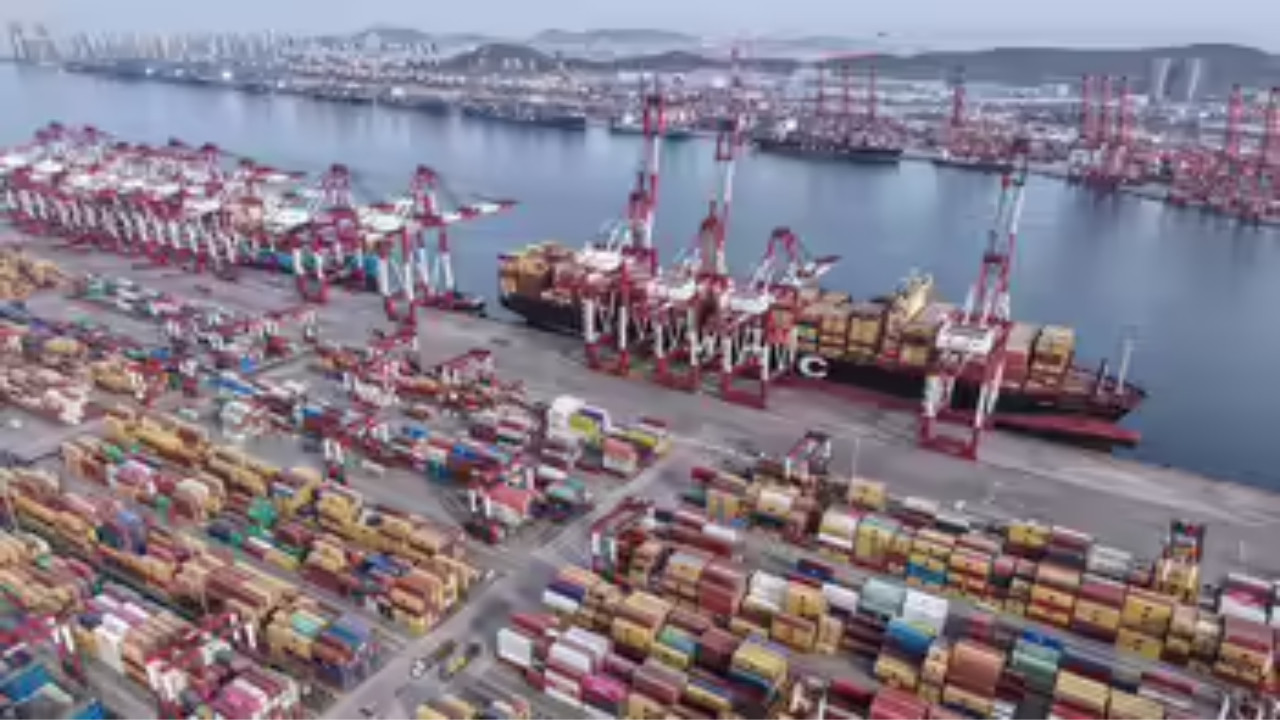
The commerce ministry is mapping global non-tariff measures to boost export quality and technical compliance. The DGFT is compiling a database of regulatory requirements, urging exporters to submit information within seven days. This initiative aims to support the Export Promotion Mission and address challenges posed by NTMs, which can increase costs and cause shipment delays.
Navigating the Maze: Unraveling Global Trade Barriers for Indian Exporters
The global marketplace, for all its allure, can often feel like navigating a dense jungle. Beyond tariffs, those easily understood taxes on imports, lies a complex web of non-tariff measures (NTMs) – regulations, standards, and procedures that can significantly impact an exporter’s bottom line. Imagine trying to sell your exquisitely crafted textiles abroad only to discover that the dyes you use, perfectly acceptable in India, are banned in your target market. Or perhaps your shipment is held up for weeks due to stringent and often opaque inspection protocols. These are the everyday realities of NTMs, and India’s Commerce Ministry is stepping up its efforts to help exporters navigate this challenging landscape.
The ministry is currently undertaking a comprehensive mapping exercise, meticulously documenting NTMs across various countries. This initiative aims to provide Indian businesses with a clearer understanding of the regulatory hurdles they may face in different markets. Think of it as creating a detailed roadmap, highlighting potential pitfalls and offering alternative routes to success. The goal? To level the playing field and boost India’s export competitiveness.
This isn’t just about identifying the barriers; it’s about empowering exporters with the knowledge they need to proactively address them. The ministry is actively soliciting data from exporters themselves, tapping into their on-the-ground experiences to build a truly comprehensive database. This collaborative approach acknowledges that exporters are often the first to encounter these hidden obstacles and their insights are invaluable. The Commerce Ministry’s Trade Remedy arm is actively working on the details of non-tariff measures to make Indian exporters thrive.


Why the Focus on Non-Tariff Measures?
For years, trade negotiations have primarily focused on reducing tariffs. While important, tariffs represent only one piece of the puzzle. As tariffs have fallen globally, NTMs have become increasingly prominent, often acting as disguised barriers to trade. These measures can take various forms, including:
* Sanitary and Phytosanitary (SPS) Measures: These regulations are designed to protect human, animal, and plant health, but can sometimes be used to restrict imports. Stringent food safety standards or requirements for specific certifications fall under this category.
* Technical Barriers to Trade (TBT): These relate to technical regulations, standards, and conformity assessment procedures. For example, a country might require imported electronics to meet specific energy efficiency standards.
* Import Licensing and Quotas: While less common than in the past, these measures can still restrict the quantity of goods that can be imported.
* Customs Procedures: Onerous and inefficient customs procedures can significantly increase the cost and time associated with exporting.
The impact of these measures can be substantial. They can increase compliance costs, delay shipments, and even render certain products unsellable in specific markets. This mapping exercise is about equipping Indian exporters with the information they need to anticipate and overcome these challenges.
Data-Driven Solutions for Trade Compliance
The information gathered through this mapping exercise will be used to develop targeted strategies for addressing NTMs. This could involve:
* Negotiating with trading partners: Armed with concrete evidence of the impact of specific NTMs, the government can engage in bilateral and multilateral negotiations to seek their removal or simplification.
* Providing technical assistance to exporters: The ministry can offer training and support to help exporters comply with foreign regulations and standards. This could include assistance with obtaining necessary certifications or adapting products to meet local requirements.
* Developing a user-friendly database: The collected data will be organized into a searchable database, making it easy for exporters to access the information they need. The Trade Remedy arm is leading this initiative and needs exporters to actively participate.

This data-driven approach is crucial for ensuring that trade policy is informed by the realities on the ground. By actively engaging with exporters and leveraging their experiences, the Commerce Ministry can create a more supportive and competitive environment for Indian businesses in the global marketplace.
A Call to Action for Indian Exporters
The success of this initiative hinges on the active participation of Indian exporters. The ministry is urging businesses to share their experiences with NTMs, providing detailed information on the specific challenges they have encountered. The more data that is collected, the more comprehensive and effective the resulting strategies will be.
This is a chance for Indian exporters to shape the future of trade policy and contribute to a more level playing field. By working together, the government and the private sector can overcome the challenges posed by non-tariff measures and unlock the full potential of India’s export sector. Consider also how improved compliance aligns with broader initiatives promoting sustainable trade practices. Read more about [sustainable packaging initiatives](/sustainable-packaging) and how they contribute to a positive brand image in international markets.
Looking Ahead: A More Competitive India
By shining a light on these hidden barriers to trade, India is taking a proactive step towards creating a more competitive export environment. Understanding and addressing non-tariff measures are vital to unlocking global growth for Indian businesses and ensuring that they can thrive in an increasingly complex and interconnected world. This strategic focus promises a more robust and resilient future for India’s export sector.