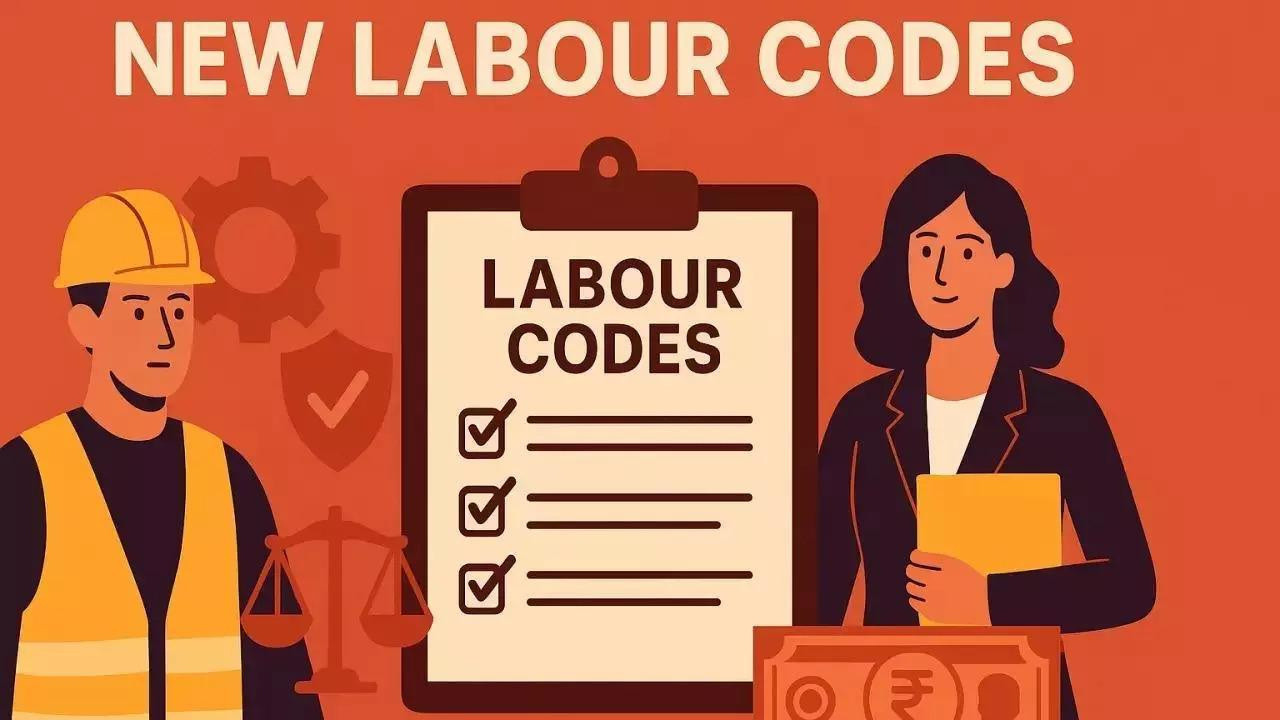
New labour codes, effective November 21, are projected to inject Rs 75,000 crore into consumption and boost the formal workforce by 15%. Social security coverage is expected to reach 85% within three years, potentially reducing unemployment by 1.3%. This reform aims to create a protected and productive labour market for both workers and businesses.
Will New Labor Codes Unlock India’s Consumption Power?
India’s economic landscape is poised for a potential shakeup, and the catalyst might just be the long-awaited implementation of the new labor codes. Forget incremental changes; we could be talking about a substantial boost to consumption, potentially injecting a whopping ₹75,000 crore into the economy. That’s the optimistic view coming from a recent State Bank of India (SBI) report, and it’s a perspective worth digging into.
For years, the existing labor laws have been a complex web, often hindering business growth and leaving a significant portion of the workforce in the informal sector. These new codes aim to simplify things, making it easier for businesses to operate and, crucially, bringing more workers into the formal economy. But how exactly will this translate into a surge in consumer spending?
Decoding the Consumption Boost
The SBI report suggests that the key lies in formalization. When workers transition from informal to formal employment, they gain access to better wages, social security benefits, and more stable jobs. This increased financial security naturally leads to greater consumer confidence and a willingness to spend. Think about it: when you know you have a regular paycheck and benefits like healthcare and retirement savings, you’re more likely to invest in things like appliances, entertainment, or even a down payment on a house.


This potential rise in consumption is not just about individual spending habits. A more formalized workforce also contributes to increased tax revenue, which the government can then reinvest in infrastructure and social programs. This creates a virtuous cycle, further stimulating economic growth and improving the overall quality of life.
Streamlining Labor Regulations: A Closer Look
The new labor codes consolidate numerous existing laws into just four main codes, covering areas like wages, social security, industrial relations, and occupational safety. This simplification is designed to reduce compliance burdens for businesses, encouraging them to hire more workers and expand their operations.
One of the most significant changes is the increased flexibility in hiring and firing, albeit with safeguards in place to protect workers’ rights. While this aspect has sparked debate, the proponents argue that it will encourage businesses to take on more employees, knowing they have the agility to adapt to changing market conditions.
Formalization: The Real Game Changer
The SBI report’s emphasis on formalization is critical. A large percentage of India’s workforce remains in the informal sector, characterized by low wages, lack of benefits, and job insecurity. Bringing these workers into the formal fold is not just about economic growth; it’s about social justice and ensuring that everyone has the opportunity to share in India’s prosperity.
The impact on consumption will be felt across various sectors, from consumer durables and retail to housing and automobiles. As more people have access to stable incomes and social security, their purchasing power will increase, driving demand for goods and services. This, in turn, will create more jobs and further fuel economic growth.

Challenges and the Road Ahead
Of course, the implementation of the new labor codes is not without its challenges. There are concerns about potential job losses due to increased automation and the need to ensure adequate protection for workers in the unorganized sector. Successfully navigating these challenges will require careful planning, effective communication, and a strong commitment from both the government and businesses.
Furthermore, the actual implementation will depend on individual states adopting the codes. The uniformity of labor laws across the country can bring more predictability and stability to the businesses and employees alike.
See our guide on understanding the gig economy for more information on workforce trends.
Unleashing India’s Economic Potential
The new labor codes represent a bold step towards modernizing India’s labor laws and creating a more dynamic and inclusive economy. While challenges remain, the potential benefits are significant. If the SBI report’s projections are accurate, we could be on the cusp of a major boost to consumption, driven by a more formalized workforce and increased consumer confidence. The key lies in effective implementation and a continued commitment to ensuring that the benefits of economic growth are shared by all.