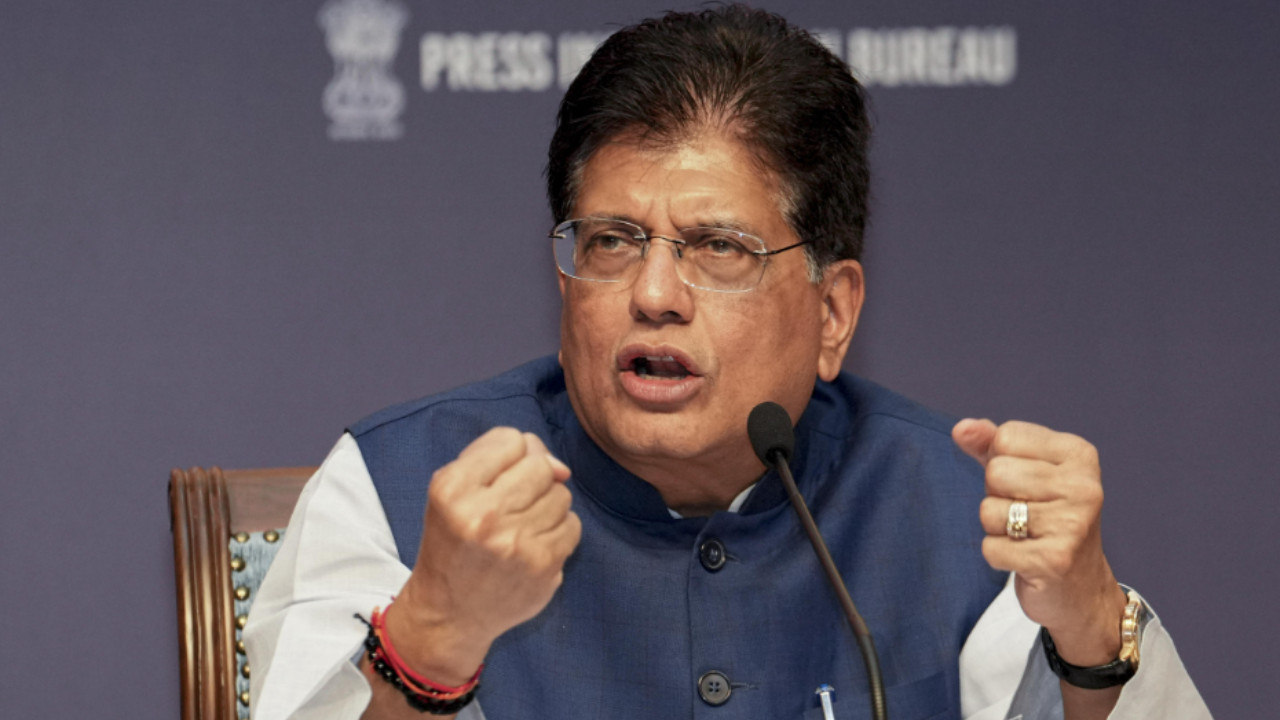
India’s merchandise exports have rebounded into positive territory by November 21, following a sharp decline in October. Commerce Minister Piyush Goyal highlighted steady improvement in the export trajectory, with sectors like seafood showing healthy growth. Discussions are also underway to enhance the competitiveness of Special Economic Zones.
India’s Export Comeback: A Glimmer of Hope on the Horizon
After months of facing strong headwinds, India’s export sector seems to be catching a more favorable breeze. November saw a welcome rebound, injecting a dose of optimism into the Indian economy and painting a brighter picture than the subdued tones we’ve become accustomed to. Commerce and Industry Minister Piyush Goyal himself confirmed the positive shift, announcing that shipments are back in positive territory. But what exactly fueled this resurgence, and what does it mean for the future?
The overall data suggests a move in the right direction. While detailed figures are still being compiled, the preliminary indications are encouraging. This turnaround follows a period of decline, prompting anxieties about global demand and India’s competitiveness on the world stage. The million-dollar question is whether this upward trend can be sustained, transforming a momentary spark into a steady flame of growth.
Decoding the Reasons Behind the Export Rebound
Several factors likely contributed to November’s positive performance. A key element could be a seasonal uptick in demand as Western economies gear up for the holiday season. This heightened consumer spending traditionally translates to increased orders for goods, including those manufactured in India.

Furthermore, government initiatives aimed at boosting exports might finally be bearing fruit. Schemes like the Production Linked Incentive (PLI) scheme, designed to incentivize domestic manufacturing and enhance export capabilities across various sectors, could be playing a crucial role. It’s also probable that recent trade deals and diplomatic efforts to forge stronger economic ties with key partner countries are starting to yield tangible benefits.
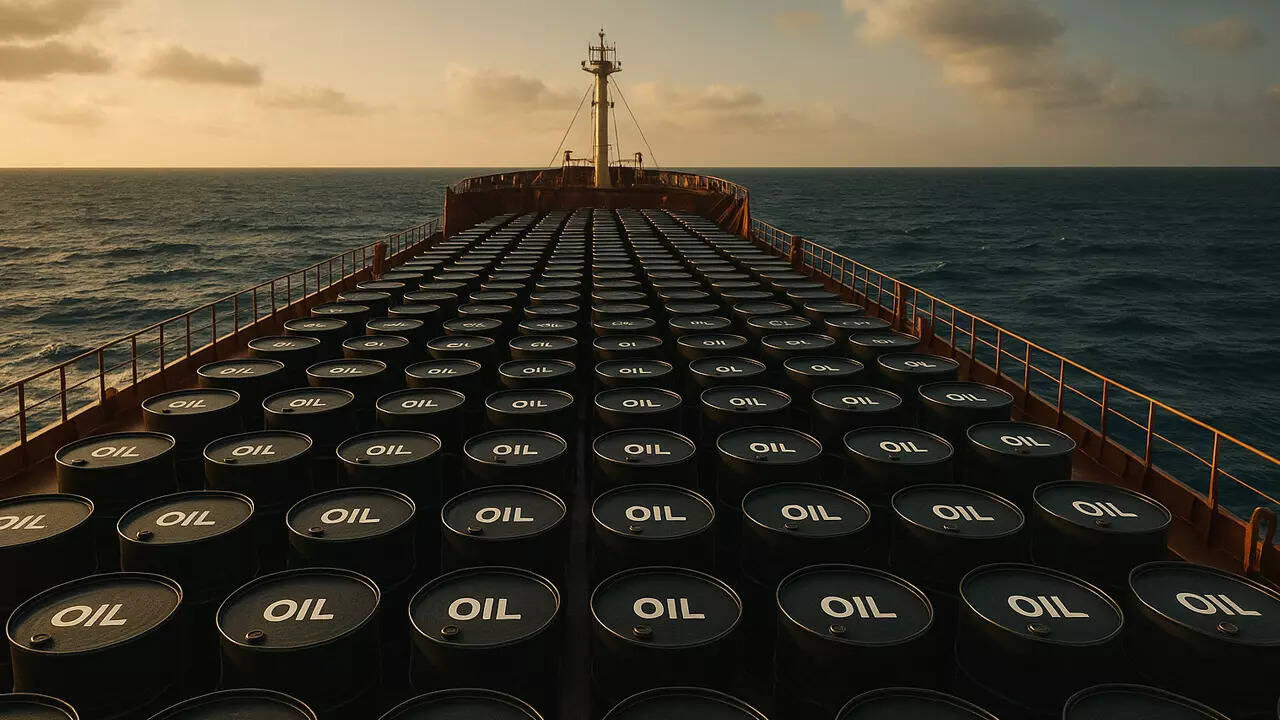
<img src="image-of-indian-cargo-ship.jpg" alt="Indian cargo ship loaded with goods, representing the export rebound in November.” width=”600″ height=”400″>
Another potential factor is the easing of supply chain bottlenecks that have plagued global trade for the past few years. As logistics become smoother and more predictable, Indian exporters can fulfill orders more efficiently, increasing their competitiveness and attracting new business. Also, a possible weakening of the Indian rupee against the US dollar may have also made Indian exports more competitive in the global market.
Sectors Leading the Charge
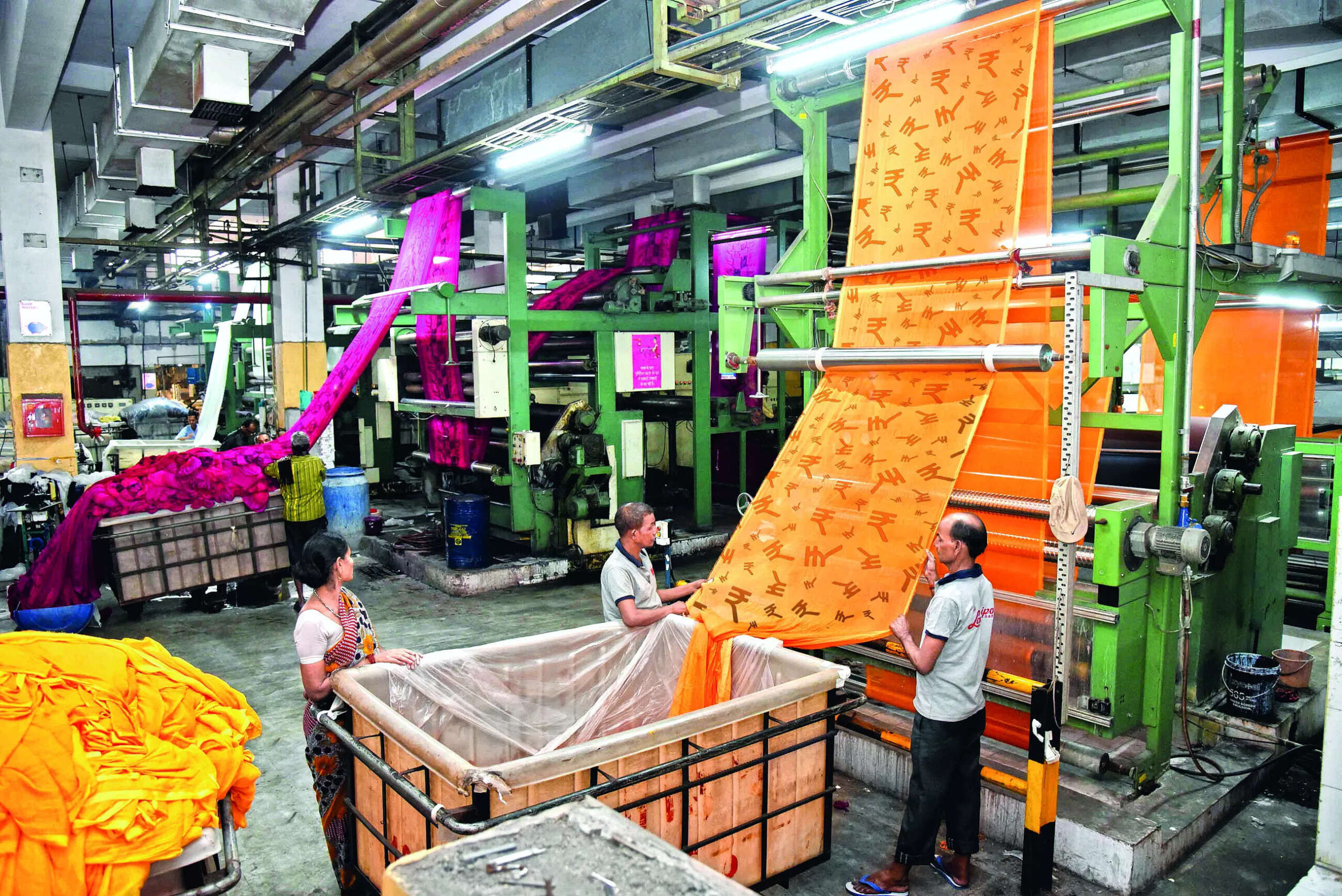
While comprehensive sector-specific data is yet to be released, it’s reasonable to expect that certain industries played a pivotal role in driving the export recovery. Engineering goods, a mainstay of India’s export basket, likely contributed significantly. Pharmaceuticals, another sector with a strong export orientation, could also have witnessed a surge in demand. The government has also emphasized the role of key sectors like textiles and agriculture in driving export growth.

It’s important to November’s export rebound offers a reason for cautious optimism. While challenges remain, the positive trend suggests that India’s export sector has the potential to weather the global economic storm and emerge stronger. By building on the recent momentum, addressing underlying challenges, and embracing a long-term vision, India can solidify its position as a major player in the global trade arena. This will benefit not only the economy, but also create jobs and opportunities for millions of Indians. This positive shift underscores the resilience and adaptability of the Indian economy, even during times of global uncertainty.