Electric Avenue: Are We Really Hitting 2 Million EV Registrations This Year?
The hum of electric vehicles (EVs) is getting louder. Forget just seeing the odd Tesla gliding silently by; the whispers are turning into a genuine buzz. And the latest predictions are electrifying, suggesting India’s EV revolution isn’t just coming; it’s potentially arriving this year. Forecasts are pointing to a significant milestone: two million EV registrations across all vehicle segments by the close of 2024. Is this ambitious target realistic, or is it just wishful thinking fueled by hype?
India’s journey toward electric mobility has been accelerating in recent years. Government initiatives, falling battery costs, and a growing awareness of environmental concerns are all playing their part. While early adoption was initially slow, recent sales figures paint a very different picture. We’re seeing electric scooters zip through crowded city streets, electric rickshaws providing affordable transportation, and even electric buses starting to appear in public transport fleets. The growth has been undeniable, but hitting that 2 million mark requires more than just a steady climb; it demands a surge.
What’s Driving the Electric Vehicle Surge?
Several factors are contributing to this optimistic outlook. One key element is the decreasing cost of batteries, the most expensive component of an EV. As technology improves and production scales up, these costs are coming down, making EVs more affordable for the average consumer. This price reduction is especially crucial in a price-sensitive market like India.
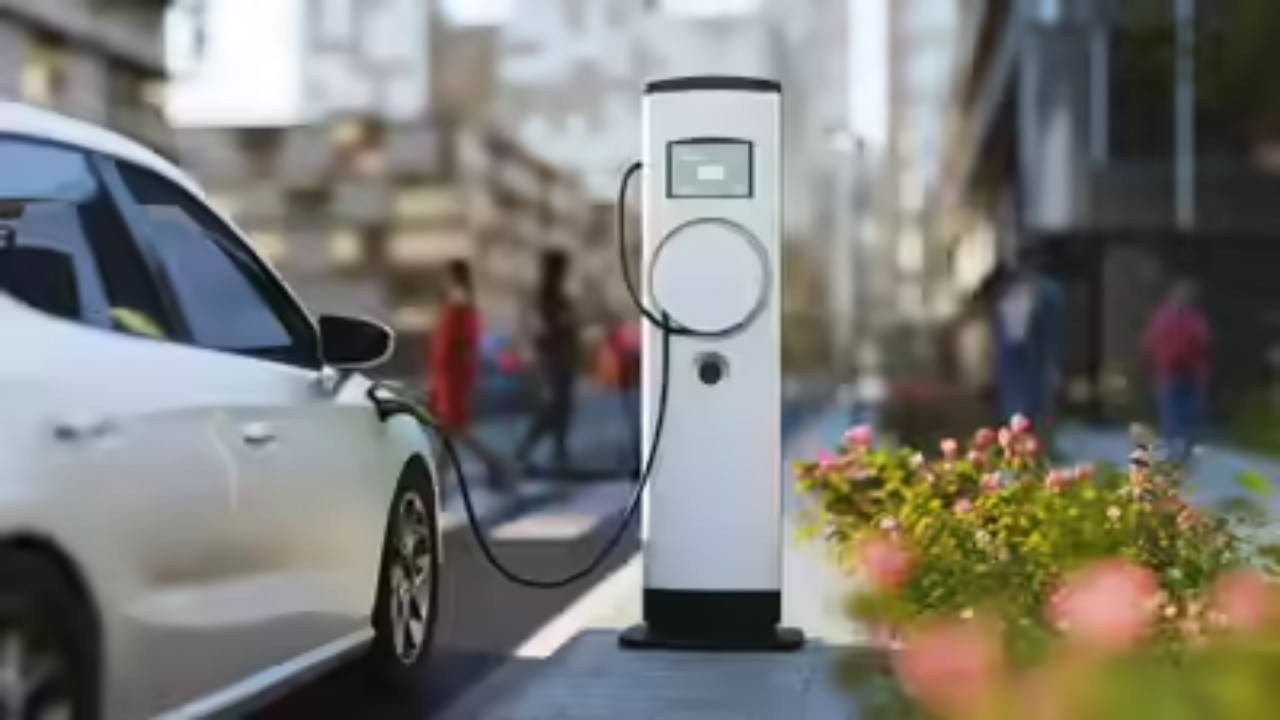
Government support is also a significant catalyst. Subsidies, tax breaks, and incentives for both manufacturers and buyers are making EVs a more attractive proposition. Schemes like FAME (Faster Adoption and Manufacturing of Electric Vehicles) are providing crucial financial assistance, further bridging the price gap between EVs and their gasoline-powered counterparts. Beyond direct financial incentives, the government is also investing in charging infrastructure, a vital step in alleviating range anxiety and encouraging wider EV adoption.


The increased availability of diverse EV models is also fueling demand. Early adopters had limited choices, but now, manufacturers are offering a wider range of electric scooters, cars, and commercial vehicles to cater to different needs and preferences. This expanded selection is making EVs a viable option for a larger segment of the population. Think about it – a family looking for a spacious and eco-friendly car now has several electric options to consider. Delivery companies are increasingly looking into electric vans and three-wheelers. This diversification is critical for sustained growth.
Challenges on the Road to Electrification
Despite the positive momentum, significant hurdles remain. One of the most pressing is the lack of adequate charging infrastructure. While the number of charging stations is growing, it still lags far behind the projected increase in EV adoption. Range anxiety – the fear of running out of battery power – remains a major concern for potential EV buyers. Investing in a robust and accessible charging network is crucial for overcoming this barrier. Imagine planning a road trip and having to meticulously map out charging stations along the way; that’s the current reality for many EV owners.
Another challenge is the availability of skilled technicians to service and maintain EVs. Electric vehicles require specialized knowledge and training, and there’s currently a shortage of qualified mechanics. Addressing this skills gap is essential for ensuring the long-term reliability and sustainability of the EV ecosystem. This could include vocational programs, manufacturer-led training initiatives, and support for local mechanics to re-skill.
Furthermore, the reliance on imports for certain EV components, particularly batteries, poses a vulnerability. Strengthening domestic manufacturing capabilities is essential for reducing dependence on foreign suppliers and ensuring a more resilient supply chain. The government’s push for “Make in India” is a step in the right direction, but sustained efforts are needed to attract investment and develop a thriving local EV component industry.
The Road Ahead: What Needs to Happen?
Reaching the 2 million EV registrations milestone will require a concerted effort from all stakeholders. The government needs to continue its supportive policies, focusing on infrastructure development, manufacturing incentives, and consumer awareness campaigns. Manufacturers need to focus on offering affordable and reliable EV models, while also investing in research and development to improve battery technology and range.

For consumers, addressing any lingering hesitations regarding EVs will be paramount. Increasing awareness of the long-term cost savings, environmental benefits, and performance advantages of EVs can significantly boost demand. Demonstrating the reliability and practicality of EVs in real-world conditions is also crucial. Test drives, public demonstrations, and educational resources can help dispel myths and build confidence.
Are electric vehicle registrations truly on track to hit 2 million this year? The answer is complex. While the growth trajectory is undoubtedly positive, overcoming the challenges related to infrastructure, skills, and supply chains will be critical. The journey to electrification is a marathon, not a sprint, and sustained efforts are needed to ensure a smooth and sustainable transition. To learn more about supporting policies, read this article on [government incentives for EVs](link-to-related-article).
Conclusion: An Electric Future, Accelerating Now
The electric vehicle revolution in India is gaining momentum, promising cleaner air, reduced reliance on fossil fuels, and a more sustainable future. While reaching the 2 million registration mark this year is an ambitious goal, the potential benefits are immense. By addressing the challenges and fostering collaboration between government, industry, and consumers, India can pave the way for a truly electric future. The road ahead may be bumpy, but the destination is well worth the effort.