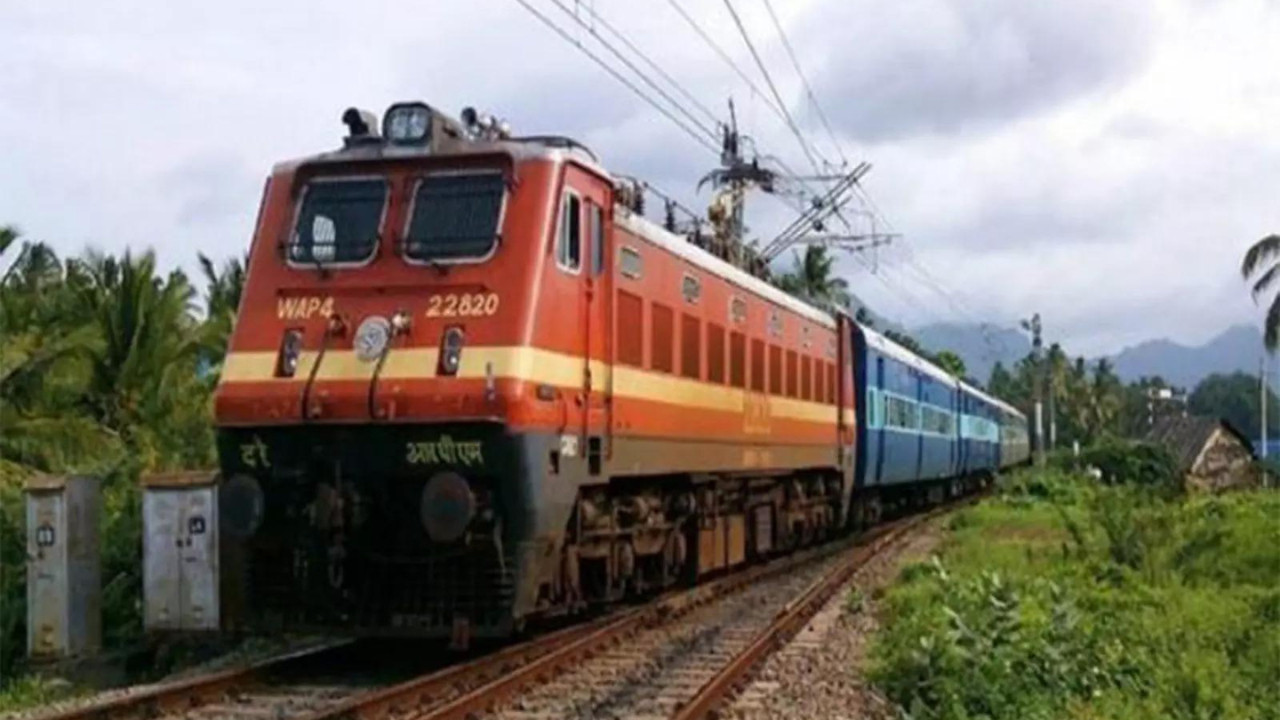
The Indian government has approved two major railway projects totaling Rs 2,781 crore, adding 224 km of track in Maharashtra and Gujarat. These initiatives aim to boost connectivity, ease congestion, and support economic growth, aligning with the PM Gati Shakti vision. The projects will enhance mobility for millions and significantly improve freight movement, contributing to climate goals.
Riding the Rails: Indian Railways Doubles Down on Expansion in Maharashtra and Gujarat
The rhythmic clatter of a train, the whistle echoing through the landscape – these sounds are synonymous with India’s vast and vital railway network. And that network is about to get a significant upgrade. Just announced, the Indian government has greenlit two major multitracking projects in Maharashtra and Gujarat, signaling a substantial commitment to boosting rail infrastructure and easing congestion on some of the country’s busiest routes.
Imagine a railway system where trains glide smoothly, schedules are met with precision, and goods reach their destinations faster than ever before. This vision is what’s fueling the current push, and these two projects are key pieces of the puzzle.
Maharashtra Set to See Major Rail Network Improvements
One of the approved projects focuses on expanding the railway lines between Wardha and Balharshah in Maharashtra. This isn’t just about adding more tracks; it’s about modernizing a critical section of the network that currently faces heavy traffic and frequent bottlenecks. The existing line struggles to handle the volume of both passenger and freight trains, leading to delays and inefficiencies.
Think of it like a highway system constantly jammed with cars. Adding more lanes (in this case, tracks) allows for a smoother flow of traffic, reducing congestion and improving overall transit times. This expansion in Maharashtra will have a ripple effect, benefiting industries, commuters, and the national economy.


The upgraded Wardha-Balharshah route promises to streamline the movement of coal to power plants in the southern regions. This directly translates to more reliable energy supplies and lower costs, impacting everything from manufacturing to household electricity bills. Moreover, with increased capacity, it will be easier to transport agricultural products from the heartland to various markets. This could lead to better prices for farmers and fresher produce for consumers.
Gujarat Gears Up for Enhanced Connectivity
The second major project involves the doubling of tracks between Viramgam and Okha in Gujarat. This route is crucial for connecting the western coast of India to the rest of the country and handles significant volumes of goods destined for export and import via major ports.
The current single-track line is a constraint, slowing down the movement of goods and hindering economic activity. By adding a second track, the capacity of this vital link will be significantly increased. This will allow for more frequent train services, faster transit times, and reduced congestion, making it easier for businesses to move their products efficiently.
The benefits to Gujarat are multifaceted. Expect a boost to industries located along the Viramgam-Okha corridor, including those involved in manufacturing, agriculture, and port operations. Improved connectivity will also attract new investments and create job opportunities.

The Broader Impact of Railway Infrastructure Upgrades
These two projects represent a significant investment in India’s future. Improved rail infrastructure is more than just about faster trains; it’s about boosting economic growth, creating jobs, and improving the quality of life for millions of people. By addressing bottlenecks and increasing capacity, these multitracking initiatives will contribute to a more efficient and sustainable transportation system.
Moreover, expanding the rail network plays a crucial role in reducing the burden on roadways, leading to lower fuel consumption and decreased carbon emissions. It’s a more environmentally friendly way to move both people and goods across the country.
This isn’t just about the immediate benefits of these two specific projects. These expansions set a precedent for future development, demonstrating the government’s commitment to investing in infrastructure and modernizing the railway system. As India continues to grow and its economy expands, a robust and efficient rail network will be essential for supporting that growth. Consider exploring other [infrastructure projects](internal-link) in India to get a broader perspective on the nation’s growth trajectory.
The expansion of India’s rail network signifies more than just laying down tracks; it’s a strategic investment in the nation’s economic vitality and future sustainability. With these projects now underway, we can anticipate a smoother, more efficient, and ultimately more prosperous India.