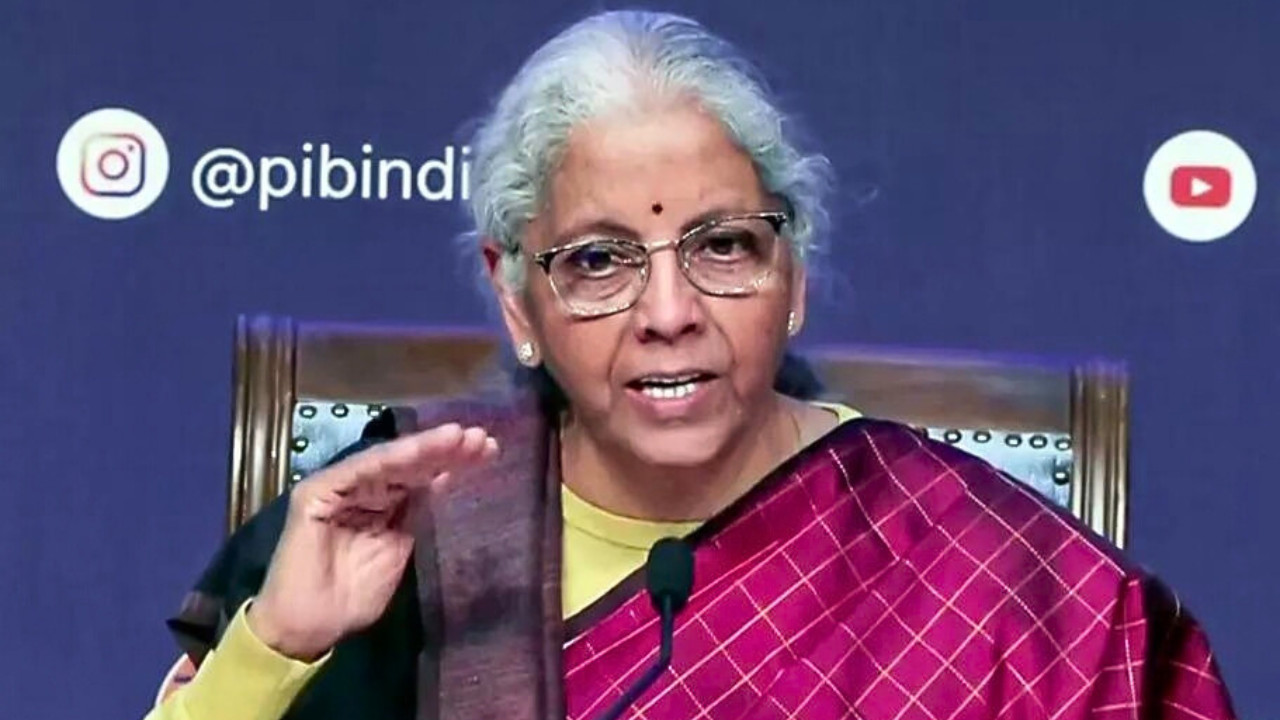
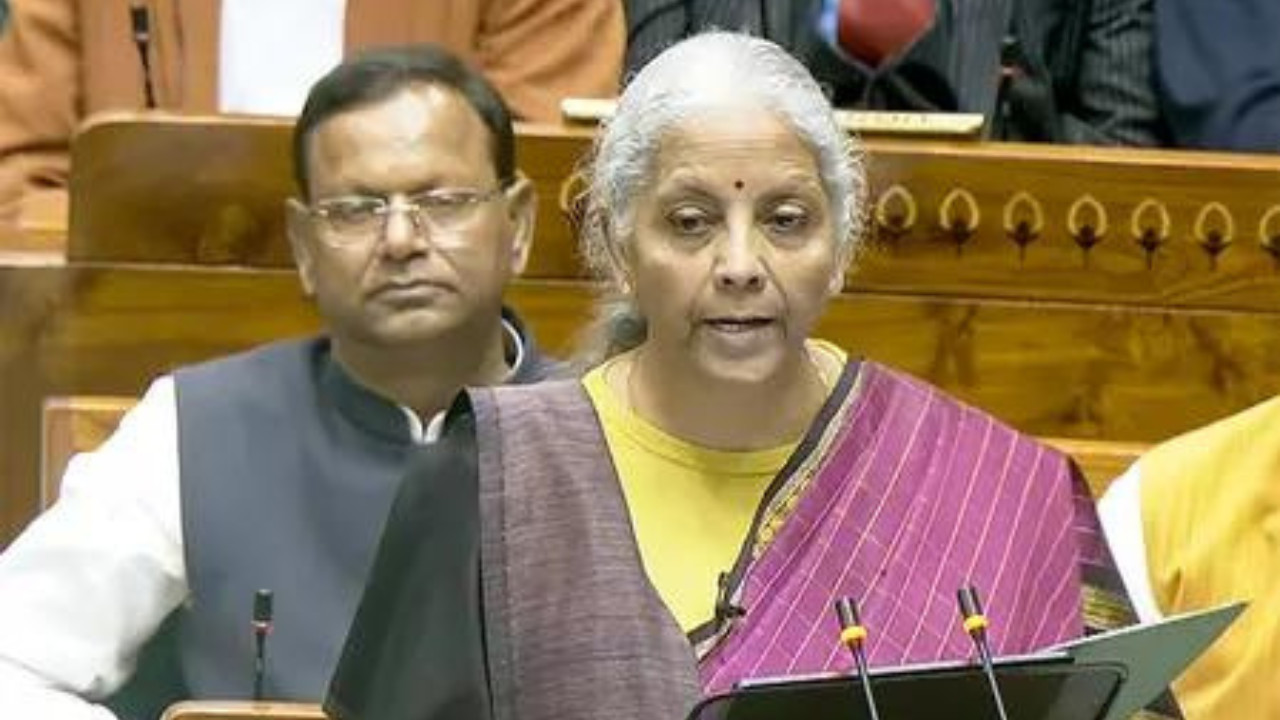
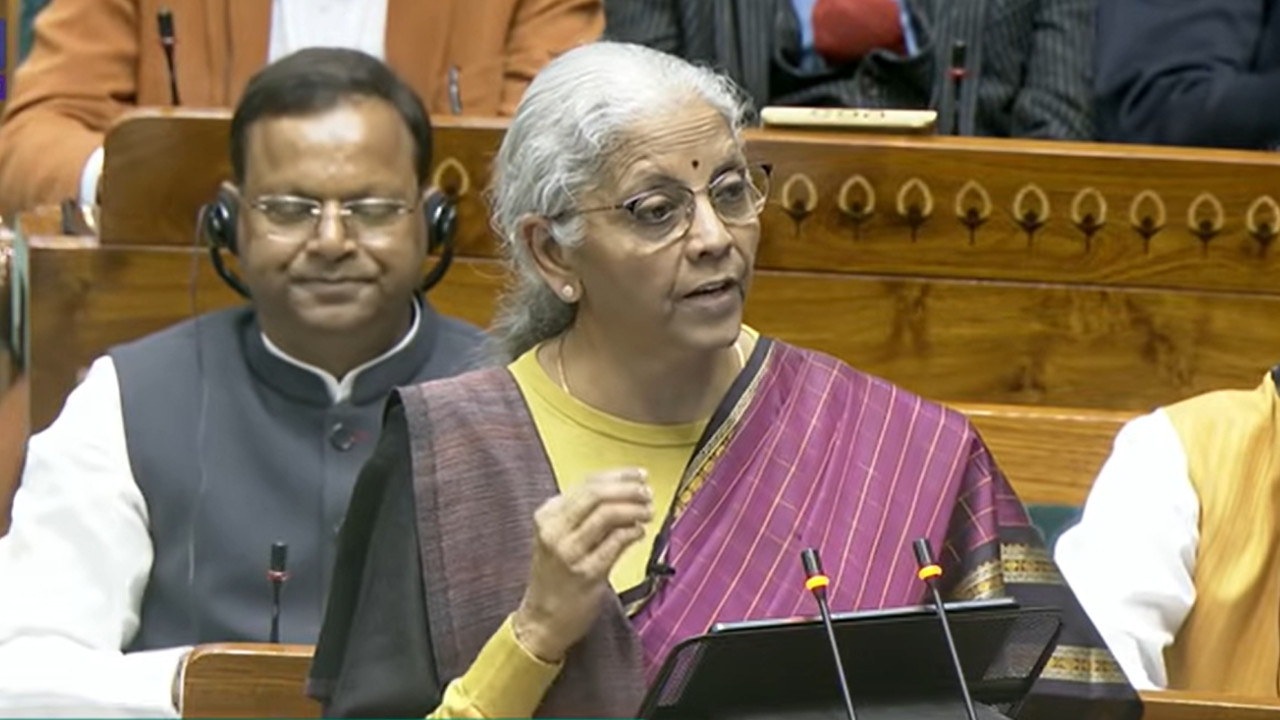
Britain’s Treasury chief Rachel Reeves delivered a tax-raising budget following a major leak from the Office for Budget Responsibility. The proposals include freezing tax thresholds, a mansion tax, and changes to capital tax and pension allowances, aiming to raise £26 billion. This budget faces scrutiny amid economic struggles and political pressure on the Labour government.
The UK’s Tax Tango: Is This Labour’s Leap or Stumble?
Imagine the hushed atmosphere of Parliament, the expectant coughs, the rustle of papers… then, bam! Key elements of Shadow Chancellor Rachel Reeves’ upcoming tax proposals spilled into the public domain. The political temperature in the UK just shot up a few degrees, and everyone’s asking: was this a calculated risk, or a genuine fumble?
The leak, revealing significant details of Labour’s tax plans, has undeniably thrown a wrench into the finely tuned gears of political strategy. While the full picture is still emerging, what’s clear is that Reeves intended to present these policies with carefully curated messaging, designed to land a specific punch in the pre-election landscape. Now, the narrative is scrambling to catch up.
What’s in the Leaked Tax Plan?
So, what juicy tidbits escaped the vault? The core of the revealed plan seems to revolve around tightening tax loopholes and increasing levies on specific sectors. We’re talking about potential increases to capital gains tax, a closer look at non-domicile tax status, and potentially, some targeted increases on corporate profits. The stated goal? To fund key public services and address income inequality – classic Labour territory.
The leak detailed plans to crack down on tax avoidance schemes used by wealthy individuals and corporations. The idea is to generate revenue without significantly burdening everyday earners, aiming to paint the Labour party as fiscally responsible while still prioritizing social programs. It’s a delicate balancing act, and the success hinges on public perception.

Fallout in the Political Arena
The immediate aftermath has been, predictably, chaotic. The opposition Conservatives are already sharpening their knives, accusing Labour of planning a tax raid on hardworking families. Labour, on the other hand, is attempting damage control, emphasizing their commitment to economic stability and responsible spending.
However, the leak also presents an opportunity. It allows Labour to test the waters, gauging public reaction to their proposed policies before they are officially unveiled. This real-time feedback could inform adjustments and refinements, potentially strengthening their position in the long run. The question is whether the disruption outweighs the potential benefits.

Navigating the Economic Minefield
The timing of this leak is particularly crucial. The UK economy is still grappling with the aftershocks of recent economic turmoil, and the cost-of-living crisis continues to bite. Any tax policy, no matter how well-intentioned, will be scrutinized for its potential impact on household budgets and business investment.
Labour needs to convince voters that their UK tax plan is not just about raising revenue, but about creating a fairer and more sustainable economic future. This requires a clear and compelling narrative, addressing concerns about potential negative consequences while highlighting the benefits of investing in public services and reducing inequality. It’s about showcasing a vision that resonates with ordinary people.
For example, the proposed changes to non-domicile tax rules could be positioned as closing a loophole that allows wealthy individuals to avoid paying their fair share, thus funding vital services like the NHS. The success of this strategy depends on clearly communicating the purpose and impact of each policy. See more about UK economic policy.
A Gamble Worth Taking?
Ultimately, the leak is a high-stakes gamble. It could energize Labour’s base, providing a preview of their ambitious plans and generating excitement for the upcoming election. Or, it could backfire, allowing the Conservatives to paint Labour as fiscally irresponsible and out of touch with the concerns of ordinary voters.
The coming weeks will be critical in shaping the narrative. Labour must demonstrate that their tax proposals are carefully considered, economically sound, and ultimately designed to benefit the majority of the population. It’s a tightrope walk, but one that could determine the future of British politics.