Hong Kong Reels After Devastating High-Rise Fire
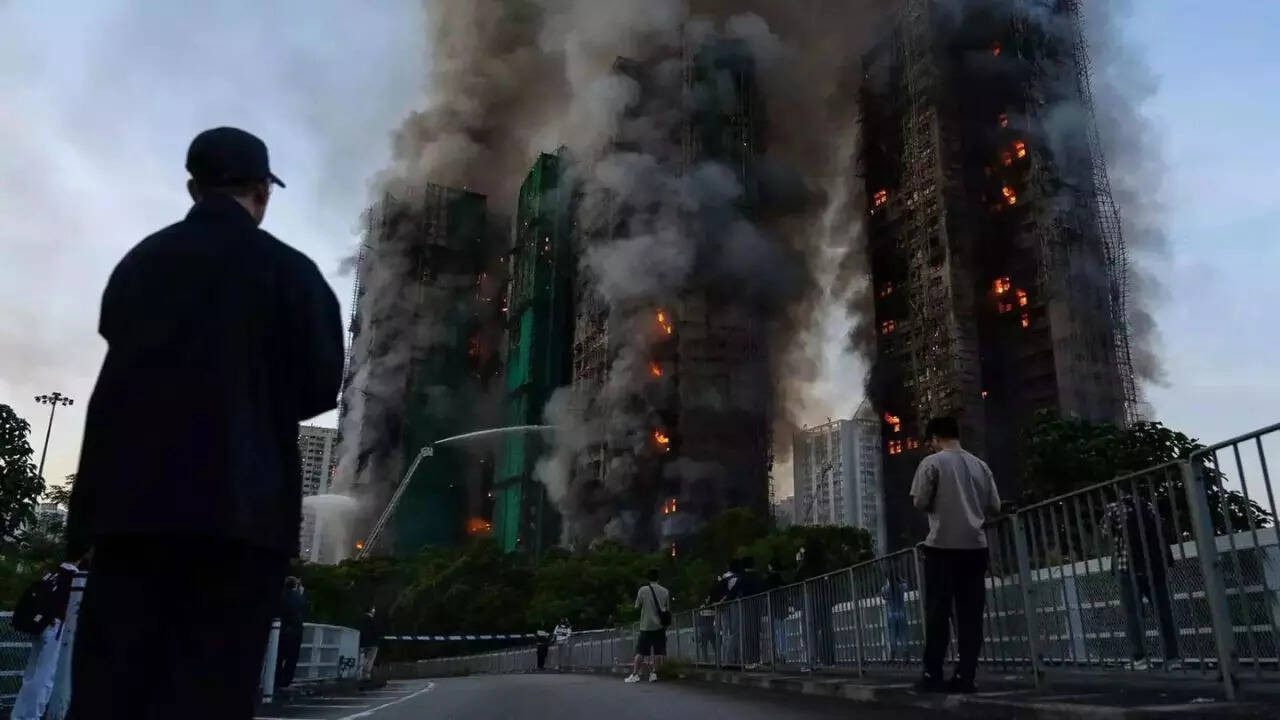
Hong Kong is grappling with the aftermath of a catastrophic fire that ripped through a high-rise building in the bustling Yau Ma Tei district on Wednesday. The blaze, tragically deemed the city’s worst in decades, has left a trail of destruction and raised concerns about the potential financial fallout for insurance companies, particularly China Taiping Insurance Holdings. The incident serves as a stark reminder of the ever-present risks in densely populated urban environments and underscores the critical importance of fire safety measures.
The fire erupted within a fitness center located in the New Lucky House, a building constructed in 1964. As smoke billowed into the narrow streets, firefighters battled the intense flames, rescuing residents trapped inside. The inferno resulted in multiple fatalities and injuries, leaving families shattered and the community in mourning. The scale of the tragedy has prompted widespread reflection on the adequacy of existing fire prevention protocols and emergency response capabilities within Hong Kong’s older buildings.
China Taiping Shares Take a Hit After the Hong Kong High-Rise Fire
The financial implications of the disaster are already being felt. Shares of China Taiping Insurance Holdings experienced a significant slump following news of the fire. Investors are understandably wary about the potential for substantial insurance payouts related to property damage, business interruption, and casualty claims. While the full extent of China Taiping’s exposure remains to be determined, the market reaction reflects the inherent financial risks associated with insuring properties in high-density urban centers, particularly those susceptible to fire hazards. The long-term effects of this event on China Taiping and other insurers operating in the region will depend on the scope and nature of their policies, and their ability to manage and mitigate these risks.

The New Lucky House, like many older buildings in Hong Kong, presented unique challenges to firefighters. Its aging infrastructure, narrow corridors, and potentially inadequate fire safety systems likely contributed to the rapid spread of the blaze and complicated rescue efforts. This incident has reignited a debate about the need for more stringent building codes and enforcement mechanisms to ensure the safety of residents in these vulnerable structures. Retrofitting older buildings with modern fire suppression systems, improving evacuation procedures, and increasing public awareness about fire safety are crucial steps in preventing future tragedies.

Beyond the immediate human and financial costs, the fire has also exposed deeper societal concerns about urban planning and resource allocation. Hong Kong, known for its sky-high real estate prices and cramped living spaces, faces the challenge of balancing economic development with the safety and well-being of its residents. Investing in fire safety infrastructure, promoting responsible building management practices, and fostering a culture of vigilance are essential for creating a more resilient and secure urban environment. Furthermore, proper resource allocation is needed to maintain older buildings and bring them up to code, thereby reducing the likelihood of similar disasters.

Lessons Learned and Moving Forward
The investigation into the cause of the Hong Kong fire is ongoing, and its findings will undoubtedly inform future policies and practices. It’s crucial to understand not only how the fire started but also what factors contributed to its rapid spread and the challenges encountered during the rescue operation. This knowledge will be invaluable in developing targeted interventions to improve fire safety in similar buildings across the city and beyond.
The tragedy at New Lucky House underscores the interconnectedness of safety, insurance, and urban development. It serves as a wake-up call for policymakers, building owners, and residents alike to prioritize fire safety and invest in measures that protect lives and property. By learning from this devastating experience and working collaboratively, Hong Kong can strengthen its resilience to future disasters and create a safer, more sustainable urban environment for all. You can read more about similar events and urban safety planning on our [Emergency Response and Preparedness](internal-link-example) page.
The road ahead for Hong Kong involves not just rebuilding what was lost, but also reinforcing its commitment to prevention. The slump in China Taiping shares is a barometer of investor confidence, and rebuilding that confidence will require decisive action and demonstrable progress in improving fire safety standards and risk management practices. The memory of this disaster should serve as a constant reminder of the importance of vigilance and proactive measures to protect communities from the devastating consequences of fire.