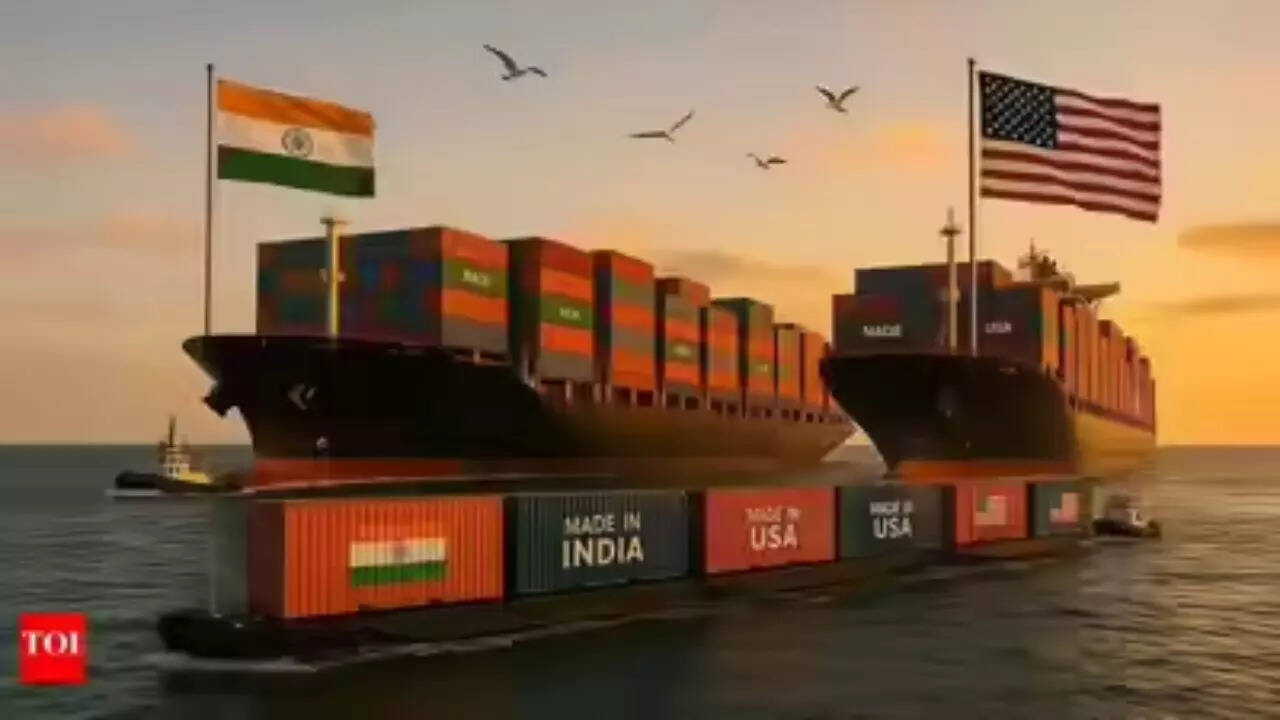
India is actively pursuing free trade agreements with key global players like the US and EU, alongside around 50 other nations and blocs. Commerce minister Piyush Goyal highlighted the strategic importance of “trusted partners” amid rising global trade risks. Discussions are progressing with the GCC, New Zealand, and Israel, while talks with Canada are set to resume.
India’s Global Trade Dance: New Partners, New Horizons
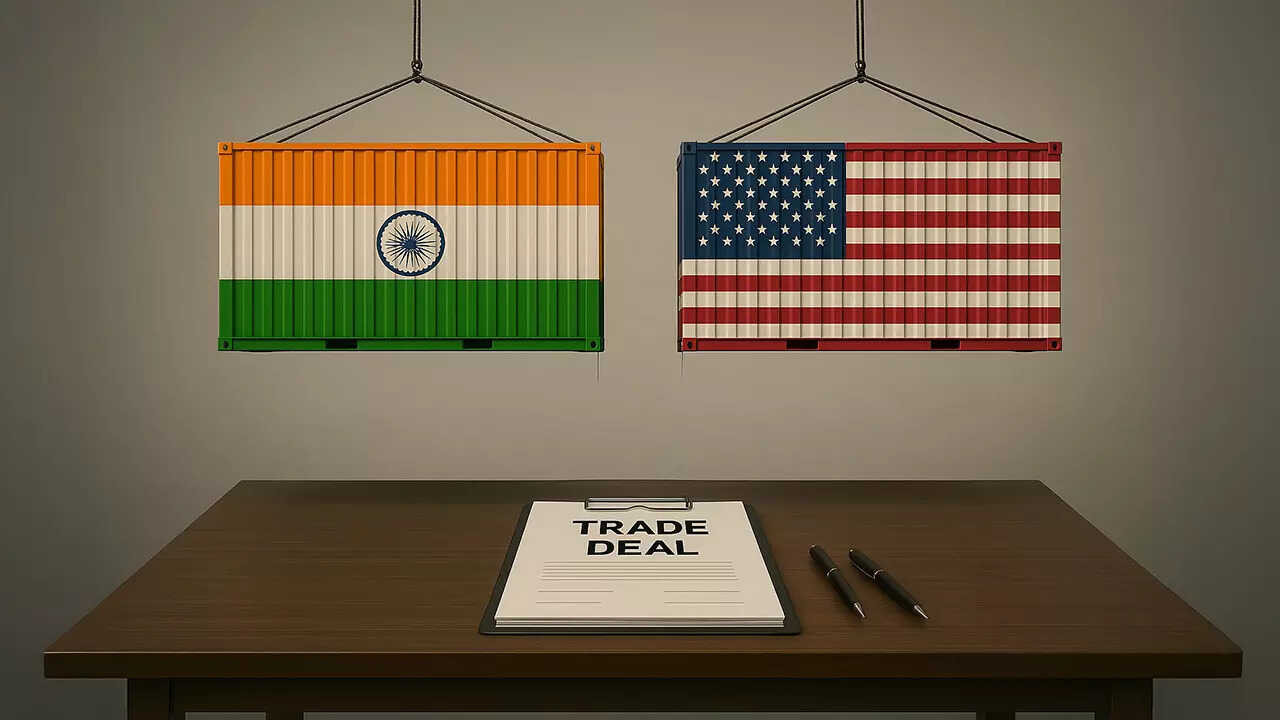
India is in motion. Not just the bustling streets and crowded markets we know, but a more strategic, calculated movement on the global stage. The country is actively pursuing Free Trade Agreements (FTAs) with key players like the United States and the European Union, signaling a clear intent to deepen its economic ties and carve out a more prominent role in international commerce. But what’s driving this surge in trade diplomacy, and what could it mean for businesses and consumers?
Think of FTAs as carefully crafted partnerships, designed to reduce or eliminate barriers to trade between participating nations. This could mean lower tariffs on imported goods, streamlined customs procedures, and increased cooperation on regulatory matters. The ultimate goal? To boost trade, stimulate economic growth, and create new opportunities for businesses on both sides of the agreement.
The current government is laser-focused on securing these deals. Commerce Minister Piyush Goyal has been particularly vocal about the potential benefits, emphasizing the need for India to become a more competitive player in the global marketplace. This isn’t just about selling more goods; it’s about attracting foreign investment, fostering innovation, and creating jobs.
Why Now? India’s Strategic FTA Push
Several factors are fueling India’s renewed interest in FTAs. First, there’s a growing recognition that globalization, despite its critics, offers significant economic advantages. By opening up its markets and embracing free trade principles, India can tap into new sources of demand and attract foreign capital.
Second, geopolitical considerations are playing a role. In a world increasingly characterized by uncertainty and shifting alliances, diversifying trade relationships is a smart move. FTAs provide a framework for stable, predictable economic cooperation, reducing reliance on any single market or partner.
Third, India’s own economic trajectory is a key driver. With a rapidly growing middle class and a burgeoning manufacturing sector, India is becoming an increasingly attractive destination for foreign investors. FTAs can further enhance this appeal by creating a more favorable regulatory environment and reducing the cost of doing business.

Key Negotiations on the Horizon
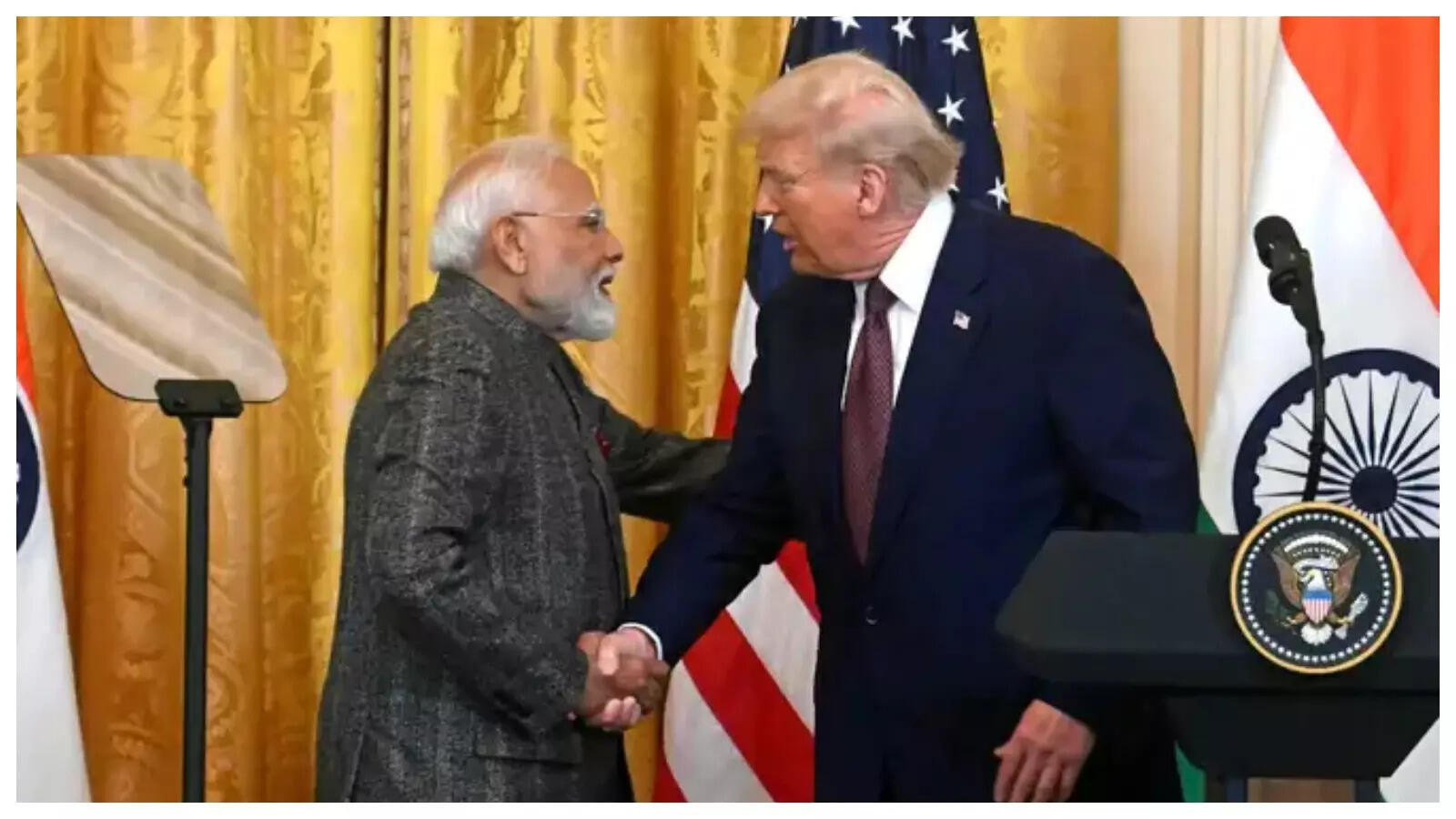
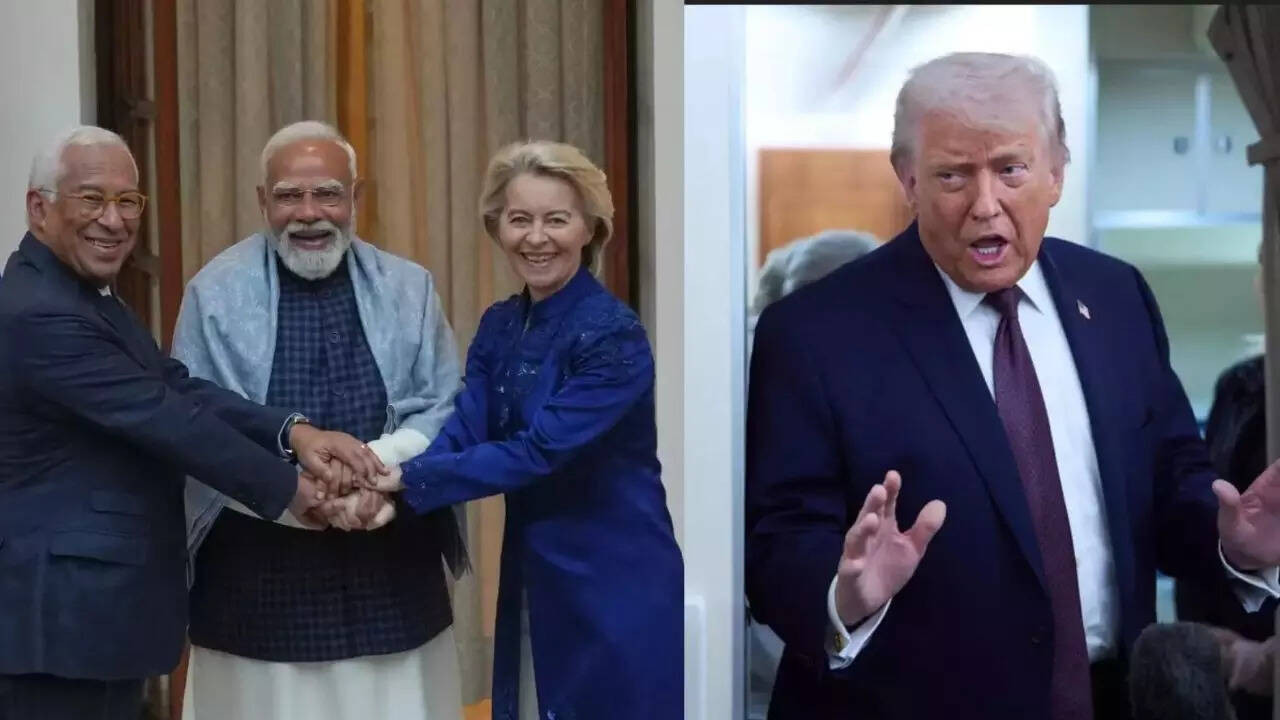
Several high-profile FTA negotiations are currently underway. Talks with the United States have gained considerable momentum, with both sides expressing a desire to reach a comprehensive agreement. While past attempts have stalled, there’s a renewed sense of optimism, driven by a shared interest in strengthening economic ties and countering China’s growing influence.
Negotiations with the European Union are also progressing. An FTA with the EU would provide India with preferential access to one of the world’s largest and most sophisticated markets, opening up new opportunities for Indian exporters in sectors like textiles, pharmaceuticals, and engineering goods.
India is also actively engaging with Canada. Minister Goyal is set to resume talks, reflecting a commitment to strengthening trade relations with key partners across the globe. A successful agreement with Canada would further diversify India’s trade portfolio and provide access to new sources of natural resources and technology. You may also be interested in reading about India’s growing digital economy and its impact on global trade.
Potential Challenges and Opportunities

While FTAs offer significant potential benefits, they also present challenges. Negotiating these agreements is a complex process, requiring compromise and flexibility on both sides. There are often sensitive issues to address, such as intellectual property rights, agricultural subsidies, and labor standards.
Furthermore, the implementation of FTAs can be disruptive for some industries. Companies may face increased competition from foreign firms, and some sectors may need to adapt to changing market conditions.
However, the potential rewards outweigh the risks. By embracing free trade principles and actively pursuing FTAs, India can unlock new avenues for economic growth, attract foreign investment, and enhance its standing as a global economic power. The path forward requires strategic planning, effective negotiation, and a willingness to embrace change. The global trade landscape is shifting, and India is positioning itself to not just participate, but to lead.
A Brighter Trade Future for India
India’s proactive stance on FTAs signals a bold vision for its economic future. By fostering stronger trade relationships with key global partners, India can unlock new opportunities for growth, innovation, and prosperity. While challenges undoubtedly lie ahead, the country’s commitment to free trade suggests a brighter, more interconnected future on the world stage.