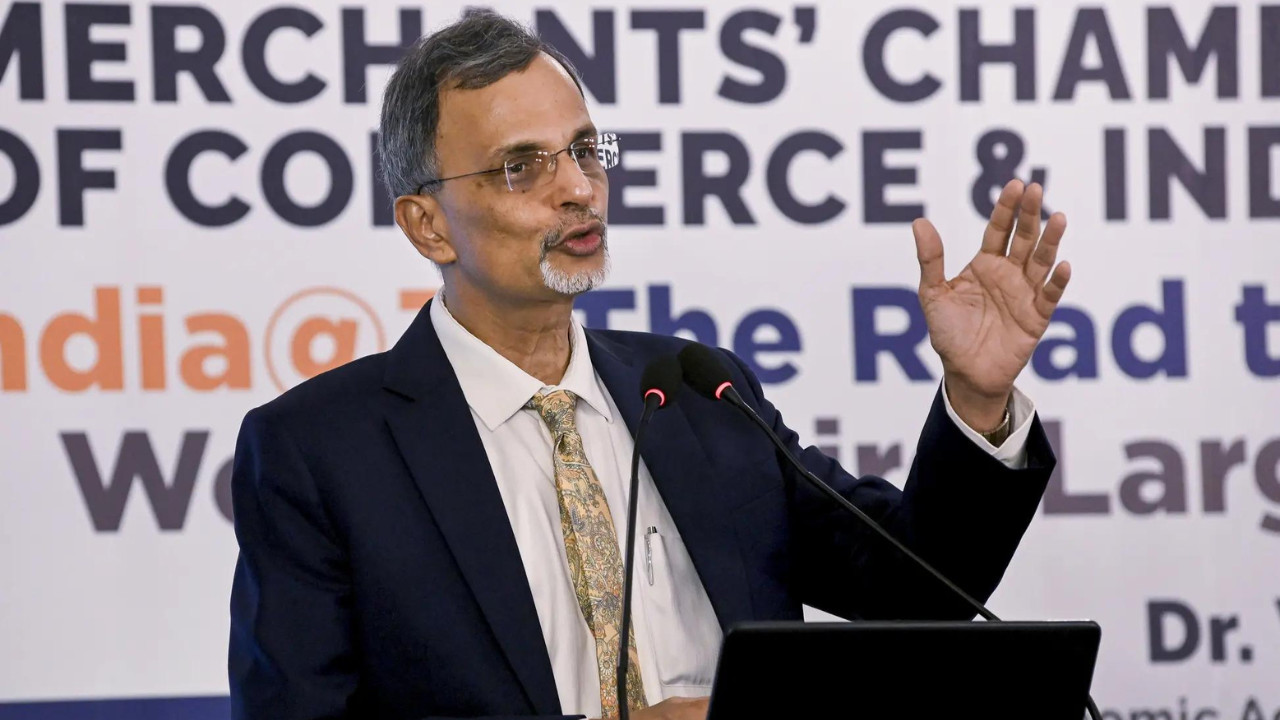
India’s economy is projected to grow at 7% or higher this financial year, surpassing the $4 trillion mark. This upward revision, exceeding previous estimates, is driven by strong performance in agriculture, manufacturing, and services, bolstered by healthy demand, low inflation, and tax cuts. Improved price dynamics and tax reforms are expected to boost disposable incomes, supporting consumption and private investment.
India’s Trillion-Dollar Climb: On Track for a $4 Trillion Economy?
The air crackles with ambition. India, a land of vibrant contrasts and boundless potential, is setting its sights high – a staggering $4 trillion economy by fiscal year 2026. That’s not just aspirational; it’s starting to feel increasingly within reach. But what exactly fuels this optimism, and what hurdles lie on the path to this economic milestone? Let’s unpack the projections and explore the ingredients for success.
The recent buzz stems from confident pronouncements suggesting the Indian economy is not just growing, but accelerating. Think of it like a rocket steadily gaining momentum, shedding previous constraints and propelled by a new generation of reforms and initiatives. It’s a compelling narrative, especially in a world grappling with economic uncertainties.
What’s Driving the Growth Engine?
Several key factors are contributing to this bullish outlook. Firstly, the government’s sustained focus on infrastructure development is laying the foundation for future expansion. Roads, railways, ports, and airports – these are the arteries through which commerce flows, connecting producers to markets and unlocking untapped economic potential. Massive investment in these areas isn’t just about building structures; it’s about building opportunity.
Secondly, and perhaps more crucially, India’s burgeoning digital economy is creating entirely new avenues for growth. From fintech startups revolutionizing financial services to e-commerce platforms connecting rural artisans to global consumers, the digital revolution is democratizing opportunity and fostering innovation at an unprecedented scale. The digital infrastructure, including increased internet penetration and affordable data, is acting as a catalyst, empowering entrepreneurs and driving productivity gains across various sectors.
Thirdly, a stable macroeconomic environment is crucial. Prudent fiscal policies, coupled with a focus on inflation management, are creating a conducive environment for investment and growth. This stability provides businesses with the confidence to invest in expansion and innovation, knowing that the ground beneath them is solid.


Challenges on the Horizon: Navigating the Obstacles
Of course, the path to a $4 trillion economy isn’t paved with roses. Several challenges need to be addressed to ensure sustained and inclusive growth.
One key area is job creation. While the Indian economy is growing, it’s crucial that this growth translates into meaningful employment opportunities for the country’s vast and youthful population. Investing in education and skills development is paramount to equip the workforce with the necessary tools to thrive in a rapidly evolving job market.
Another challenge is addressing income inequality. Ensuring that the benefits of economic growth are shared equitably across all sections of society is vital for maintaining social cohesion and fostering sustainable development. Targeted interventions and social safety nets are needed to support vulnerable populations and ensure that no one is left behind.
Finally, promoting sustainable development is no longer an option but a necessity. Balancing economic growth with environmental protection is crucial for ensuring long-term prosperity. Investing in renewable energy, promoting resource efficiency, and adopting sustainable agricultural practices are essential for building a resilient and sustainable economy.
The Road Ahead: Continued Reforms and Global Integration
Achieving the $4 trillion milestone requires a continued commitment to reforms and a proactive approach to global integration. Streamlining regulations, improving the ease of doing business, and fostering a culture of innovation are essential for attracting investment and driving economic growth.

Moreover, actively engaging in international trade and investment is crucial for tapping into global markets and accessing new technologies. Embracing multilateralism and forging strategic partnerships with other countries can help India navigate the complexities of the global economy and secure its position as a leading economic power.
The journey to a $4 trillion economy is not just about numbers; it’s about transforming lives, creating opportunities, and building a more prosperous and equitable future for all Indians. The ambition is there, the potential is undeniable, and with sustained effort and strategic vision, this ambitious goal can undoubtedly become a reality. This growth also ties in with India’s burgeoning tech sector, which is experiencing tremendous growth. Learn more about India’s semiconductor ambitions [here](internal-link).
Conclusion: An Economy Primed for Takeoff
India’s journey towards becoming a $4 trillion economy is more than just a statistic. It represents a significant shift in global economic power and an opportunity to improve the lives of millions. While challenges remain, the underlying fundamentals are strong, and the momentum is building. The next few years will be crucial in determining whether India can successfully navigate the obstacles and realize its full economic potential. The world is watching, and India is ready to rise.