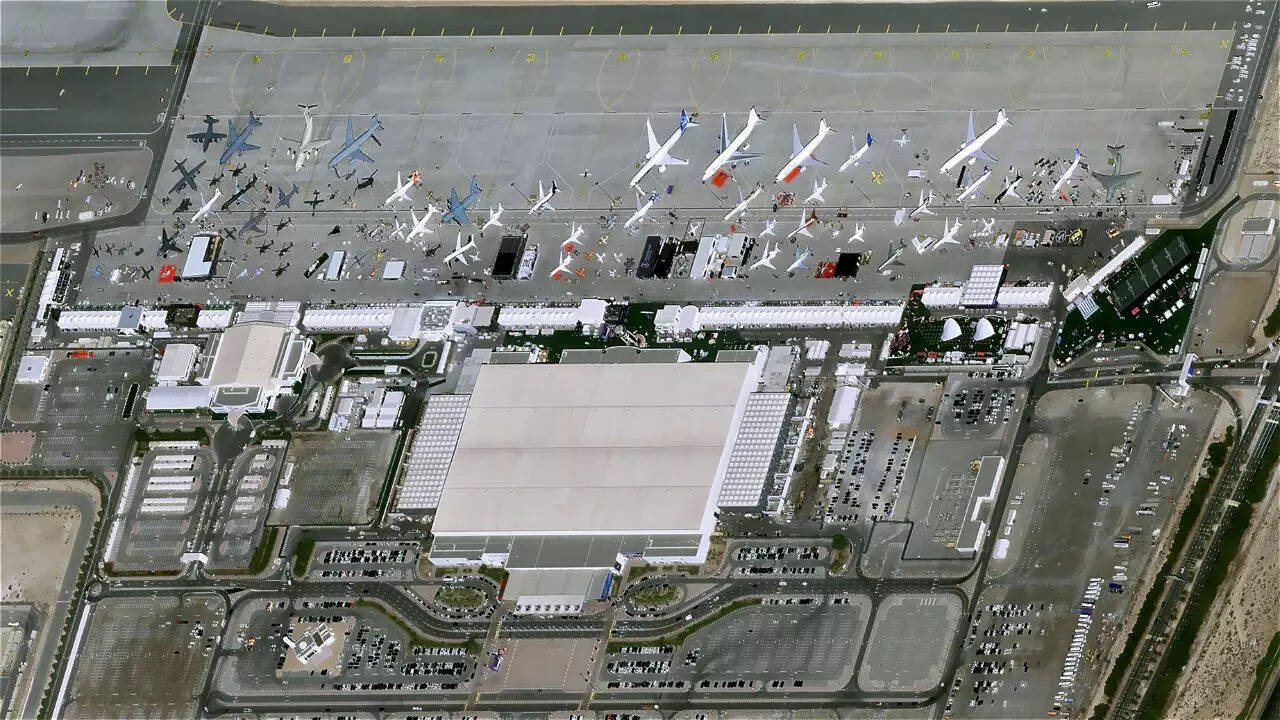
Airbus has issued an urgent global alert for its A320-family aircraft due to a software flaw potentially affected by intense solar radiation. This directive follows a JetBlue incident where a jet unexpectedly pitched downward. India will ground over 350 jets for a quick fix, with global operations facing potential short-term disruptions.
Is Your Airplane Ready for the Sun? Airbus Addresses Intense Solar Radiation Risk
We often think about turbulence or mechanical failures when considering the challenges of air travel. But what about the sun? It might sound like science fiction, but intense solar radiation can actually pose a risk to aircraft systems. Recently, Airbus issued a software update for its A320 family of aircraft to mitigate potential disruptions caused by this very real, and increasingly prevalent, phenomenon.
It’s not about the plane melting, of course. The issue lies in the sensitive electronics that control modern aircraft. High levels of solar radiation, particularly during solar flares and coronal mass ejections, can bombard the Earth with energetic particles. While our atmosphere shields us on the ground, aircraft at cruising altitude are more exposed. These particles can interfere with onboard systems, potentially leading to inaccurate readings or even temporary malfunctions.
Think of it like static electricity, but on a much larger scale. While a small static shock is merely annoying, the cumulative effect of solar radiation on an airplane’s complex systems can be a serious concern.
Solar Radiation: A Rising Concern for Aviation?
The update specifically addresses the “Stall Warning System” on the A320. This system is crucial for preventing stalls, a dangerous aerodynamic condition where the wings lose lift. The software enhancement is designed to make the system more resilient to the effects of intense solar radiation, ensuring accurate readings and preventing false alarms.

This isn’t about planes dropping out of the sky en masse. The risk, while real, is still considered relatively low. However, as our reliance on sophisticated electronic systems in aviation grows, and as solar activity continues its natural cycles, the potential for disruption increases. Airbus is proactively addressing this, taking preventative measures to ensure continued safety and reliability.
<img src="image-of-a-passenger-jet-flying-high-above-the-clouds.jpg" alt="Passenger jet silhouetted against bright blue sky, illustrating the aircraft's exposure to solar radiation at high altitude.”>
Aviation relies on a series of redundant and fail-safe systems. This software update is another layer of protection, designed to minimize the impact of a potential, if unlikely, event. It highlights the constant vigilance and continuous improvement that characterize the aviation industry.
How Does the Airbus A320 Software Update Help?
So, what exactly does the software update do? Details are understandably technical and proprietary. However, we can infer that the update likely involves improved filtering and error correction algorithms within the Stall Warning System. The software likely analyzes incoming data more rigorously, identifying and rejecting anomalous readings that might be caused by solar radiation interference. Essentially, it’s like giving the system better “eyes” to distinguish between a real stall threat and a false alarm triggered by cosmic rays.
The update is being rolled out across the A320 fleet, with airlines incorporating it into their regular maintenance schedules. For passengers, the good news is that they likely won’t even notice the difference. The goal is seamless operation and enhanced safety behind the scenes. This kind of preventative work is what allows for the consistent and impressive safety records that air travel boasts.
This preventative approach showcases a key aspect of modern aviation: continuous improvement. Even with already remarkably safe operation, manufacturers like Airbus are always looking for ways to improve the reliability and resilience of their aircraft, especially in the face of new and evolving environmental challenges.
Think of it like this: cars are constantly being updated with new safety features, like automatic emergency braking or lane departure warning systems. These features aren’t necessarily addressing a widespread problem, but they are aimed at mitigating potential risks and making driving even safer. The Airbus A320 software update is essentially the aviation equivalent of these advancements.
For more on advancements in aviation technology, check out our post on [new engine technologies improving fuel efficiency](insert internal link here).
A Future-Focused Approach to Air Travel and Solar Radiation
The Airbus A320 software update is a testament to the aviation industry’s proactive approach to safety. By addressing the potential risks posed by intense solar radiation, Airbus is ensuring the continued reliability and safety of its aircraft in an environment where space weather is an increasingly important consideration. While the sun provides us with life and energy, it also presents unique challenges that require constant vigilance and innovative solutions. As technology advances and our understanding of space weather grows, expect to see even more sophisticated measures implemented to protect our skies. The skies, after all, should remain friendly, no matter what the sun throws our way.