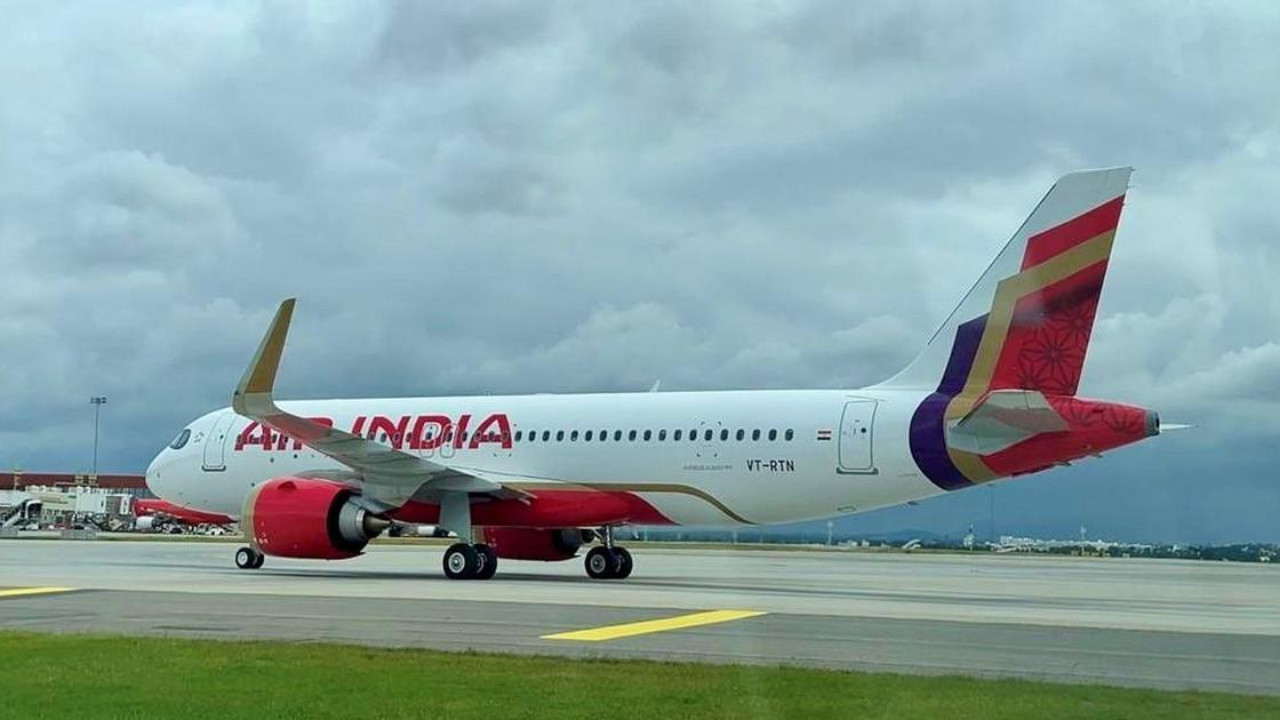
Air India confirms its flight operations remain intact with no cancellations despite a mandatory software and hardware realignment for Airbus A320 family aircraft worldwide. While some minor delays or reschedules may occur, the airline’s engineering teams are working diligently to complete the task, having already updated over 40% of the affected fleet. Normal operations are expected to resume soon.
Navigating the Skies: How Airbus Software Upgrades are Reshaping Air India’s Flight Experience
Air travel, a marvel of modern engineering, relies on a complex dance between sophisticated hardware and equally intricate software. The recent buzz surrounding Airbus software updates might have you wondering – will my flight be affected? For Air India passengers, the answer appears to be a reassuring “no,” though a few flights may experience minor hiccups. Let’s delve into what these updates entail and how they’re poised to enhance your future journeys.
The core of this story revolves around Airbus, the European aerospace giant, rolling out essential software enhancements for its aircraft. These aren’t simple bug fixes; they represent a significant step towards improved efficiency, enhanced safety features, and optimized flight performance. Think of it like upgrading your smartphone to the latest operating system – it refines the user experience and unlocks new capabilities. These enhancements aim to provide pilots with even greater control and awareness during flight, contributing to a smoother and more secure experience for everyone on board.
Understanding the Airbus Software Update
The update itself focuses on refining the aircraft’s flight management system (FMS). The FMS is essentially the brain of the airplane, responsible for navigation, performance calculations, and flight path optimization. By fine-tuning the algorithms and data used by the FMS, Airbus aims to achieve greater precision in flight planning and execution. This translates to potential fuel savings, reduced emissions, and more accurate arrival times – all wins for both the airline and the environment.

For example, improved wind prediction algorithms within the FMS can allow pilots to make real-time adjustments to their flight path, capitalizing on favorable tailwinds and minimizing the impact of headwinds. This leads to fuel efficiency and potentially quicker journey times. Furthermore, the enhanced software incorporates advanced safety protocols, providing pilots with an additional layer of protection in unforeseen circumstances.
Air India’s Proactive Approach
Air India, a major player in the Indian aviation sector, has taken a proactive approach to integrating these updates into its fleet. The airline has confirmed that no cancellations are anticipated due to the software upgrade. While some flights might experience minor delays, Air India is working diligently to minimize any potential disruption to passenger schedules. The airline is committed to ensuring a seamless transition, prioritizing passenger convenience and safety above all else.
This careful approach reflects Air India’s commitment to maintaining a modern and efficient fleet. By embracing these software upgrades, the airline is investing in the long-term reliability and performance of its aircraft. It’s a testament to their dedication to providing passengers with a safe, comfortable, and on-time travel experience. 
The Passenger Perspective: What to Expect
So, what does this mean for you, the passenger? In the short term, you might encounter slightly longer boarding times or minor adjustments to flight schedules as Air India implements the upgrades. However, the long-term benefits are considerable. The enhanced FMS contributes to smoother flights, more accurate arrival times, and potentially a more comfortable overall experience.

Moreover, the increased efficiency resulting from the software enhancements could translate to cost savings for the airline, which could, in turn, benefit passengers through more competitive fares. Ultimately, the Airbus software update is a behind-the-scenes improvement that aims to enhance the safety, efficiency, and overall quality of your air travel experience. It’s a testament to the continuous innovation driving the aviation industry forward.
The Future of Air Travel: Embracing Technological Advancements
The ongoing integration of advanced software into aircraft underscores the increasing role of technology in shaping the future of air travel. As aircraft become more sophisticated, the ability to leverage software solutions for optimization and safety will become even more critical. Airlines that embrace these advancements will be best positioned to deliver exceptional passenger experiences and maintain a competitive edge. This also impacts things like flight planning and airline route optimization, which you can read about here.
In conclusion, the Airbus software update is a positive development for Air India and its passengers. While minor disruptions may occur during the initial rollout, the long-term benefits of enhanced safety, improved efficiency, and optimized flight performance are undeniable. So, next time you board an Air India flight, know that you’re benefiting from the latest advancements in aviation technology. The skies are getting smarter, and your journey is about to get even smoother.