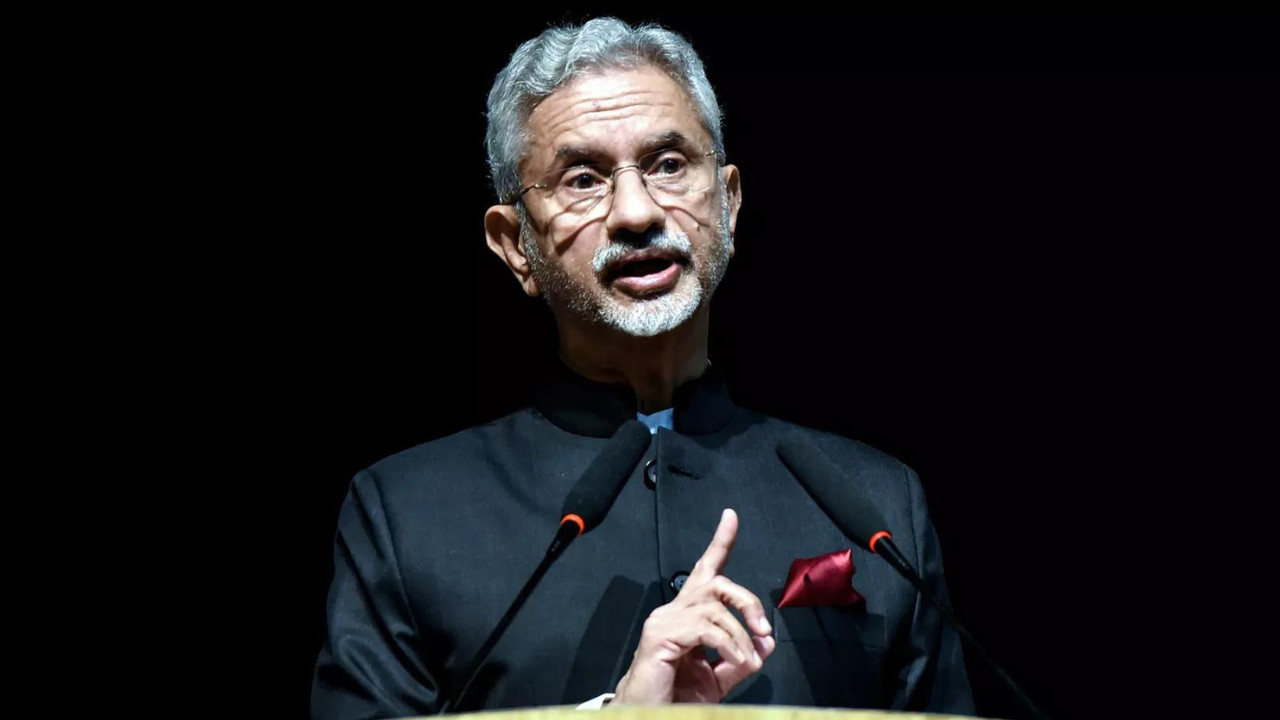
External affairs minister S Jaishankar stated that the world is now in an era where politics increasingly influences economics, urging India to diversify supply sources to protect national interests. He highlighted global fragmentation and supply insecurity, emphasising India’s pursuit of self-reliance and manufacturing growth to secure its future.
Navigating a World Where Politics Pulls Rank on Economics
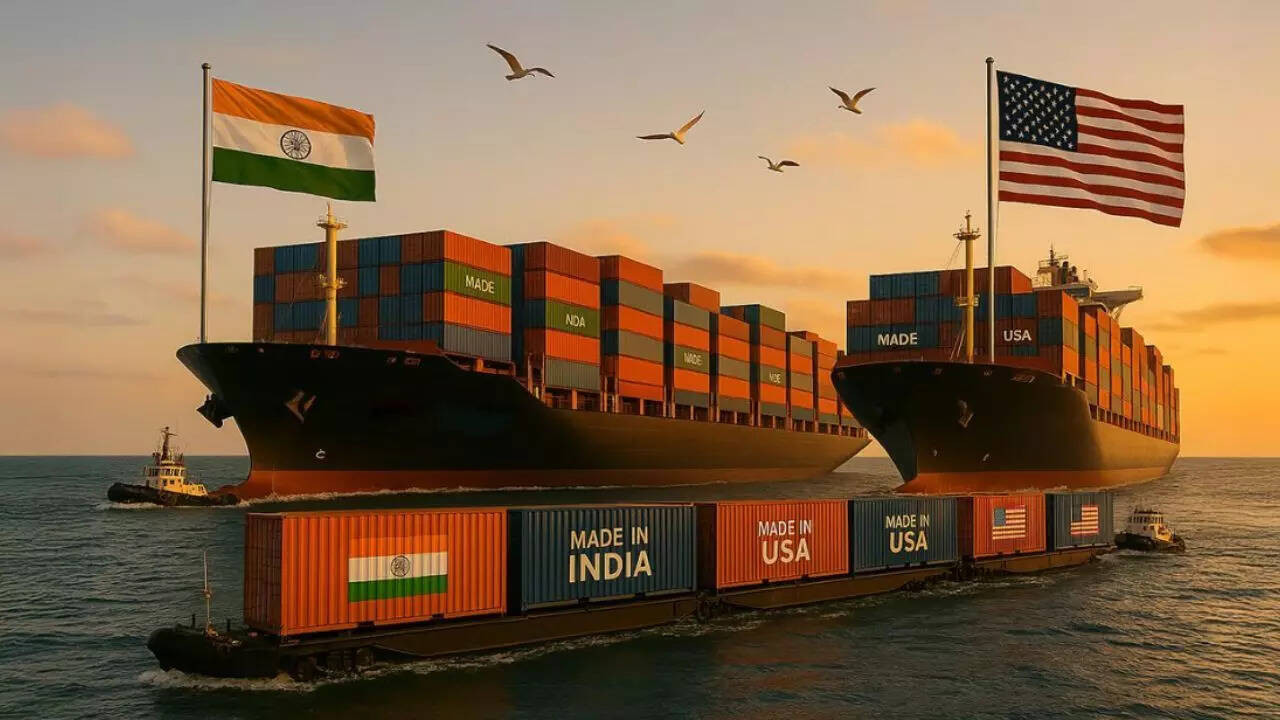
Global trade isn’t just about spreadsheets and shipping containers anymore. It’s increasingly becoming a chess match where political pawns are being moved with far more frequency, influencing where we source our materials and how we build crucial supply chains. External Affairs Minister S. Jaishankar recently pointed to this evolving landscape, subtly hinting at the US, emphasizing how political considerations are now frequently overshadowing pure economic rationale. This shift necessitates a strategic rethink for India, urging a proactive diversification of supply chains not just for economic benefit, but for national security.
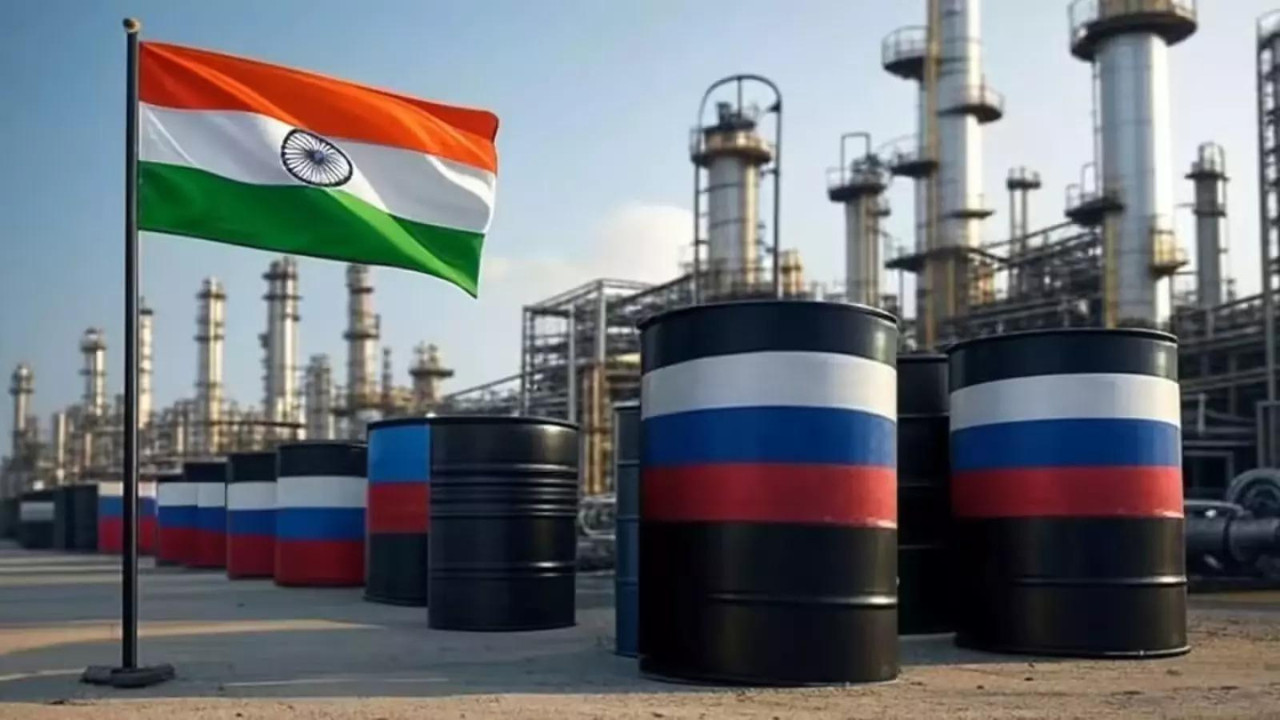
The traditional model, where cost-effectiveness reigned supreme, is rapidly giving way to a more complex reality. Where once nations were willing to overlook potential risks to secure the cheapest possible goods, we’re now seeing a heightened awareness of vulnerabilities. This isn’t about abandoning free trade; it’s about recognizing that dependence on a single source, regardless of price, can leave a nation exposed to political pressure or supply disruptions. The COVID-19 pandemic served as a stark reminder of this fragility, exposing the weaknesses in overly concentrated supply chains.
The Strategic Imperative of Diversifying Supply Chains
Jaishankar’s message is clear: India needs to be proactive in building resilience. Relying solely on the most economically advantageous option can be a risky proposition in today’s geopolitical climate.  Diversification isn’t simply about finding alternative suppliers; it’s about forging strategic partnerships with nations that share similar values and long-term goals. It means investing in domestic manufacturing capabilities to reduce reliance on external sources for critical goods.

This requires a multi-pronged approach. Firstly, it means identifying sectors where India is overly reliant on a single source for critical materials. Secondly, it involves actively seeking out alternative suppliers in friendly nations, even if those options are slightly more expensive in the short term. Thirdly, and perhaps most importantly, it necessitates investing heavily in research and development to foster indigenous capabilities and reduce long-term dependence on foreign technologies and resources.
Beyond Economics: Security and Self-Reliance
The focus on supply chain diversification isn’t just about economics; it’s intrinsically linked to national security. A nation that is overly reliant on a single source for essential goods is vulnerable to political coercion or supply disruptions. Imagine a scenario where access to vital components for defense equipment or essential medicines is suddenly cut off. The consequences could be catastrophic.
Building resilient supply chains is therefore an act of strategic self-reliance. It’s about ensuring that India has the capacity to meet its own needs, regardless of external pressures. This requires a long-term vision and a willingness to make strategic investments, even if those investments don’t offer immediate economic returns. It necessitates closer collaboration between the government, industry, and academia to foster innovation and develop indigenous capabilities. Read more about the latest developments in Indian manufacturing.
Navigating the Geopolitical Maze
The global landscape is becoming increasingly complex, with political and economic interests intertwined in intricate ways. Nations are using trade as a tool to advance their geopolitical agendas, and India needs to be prepared to navigate this complex terrain. This requires a nuanced understanding of global power dynamics and a willingness to adapt to changing circumstances.

It also means strengthening diplomatic ties with a wide range of nations and actively participating in multilateral forums to shape the global trade agenda. India needs to be a proactive player in setting the rules of the game, rather than simply reacting to the decisions of others.
Ultimately, Jaishankar’s message is a call to action. India needs to embrace a more strategic and proactive approach to supply chain management, one that prioritizes security and self-reliance alongside economic efficiency. This requires a long-term vision, a willingness to invest in strategic partnerships, and a commitment to fostering indigenous capabilities. The future belongs to those who can navigate the geopolitical maze with skill and foresight, ensuring that their economic interests are aligned with their national security priorities.