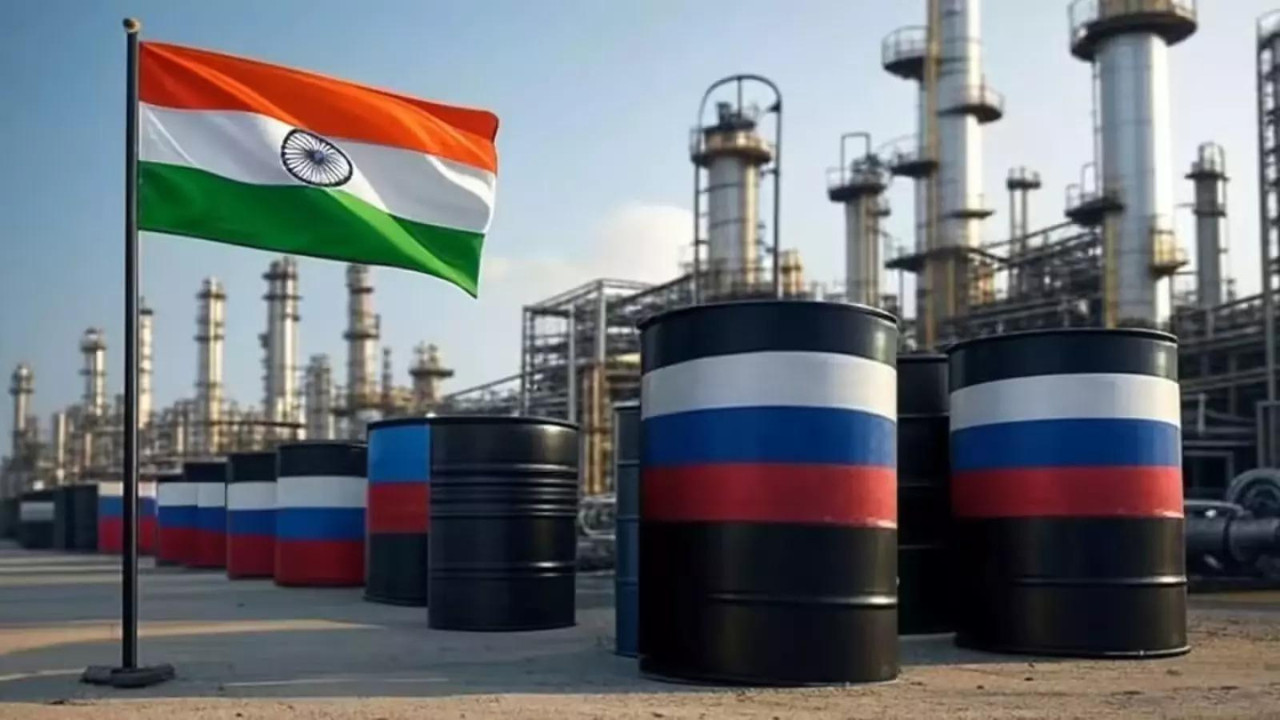
Oil India Limited has commenced its first deepwater drilling campaign in the Kerala-Konkan Basin, marking a significant step in India’s energy independence. The 6,000-meter well aims to explore the basin’s potential, aligning with the government’s strategy to boost domestic exploration and reduce import reliance.
India Takes a Bold Plunge: Deep-Sea Drilling Begins Off Kerala Coast
The ocean holds secrets, and India has just begun a fascinating quest to unlock some of them. Oil India Limited (OIL) has officially commenced deep-sea drilling operations in the Kerala-Konkan basin, marking a significant leap forward in the nation’s energy exploration endeavors. It’s a bold move, a strategic gamble, and a testament to India’s growing ambition in the energy sector.
For years, India has relied heavily on imported crude oil to fuel its burgeoning economy. This dependence makes it vulnerable to global price fluctuations and geopolitical instability. The pursuit of domestic energy sources is therefore not just a matter of economic prudence, but also a crucial step towards energy independence. This deep-sea drilling project is a powerful declaration of intent to reduce that reliance.
But why this particular location? The Kerala-Konkan basin, situated off the western coast of India, has long been suspected to hold substantial reserves of hydrocarbons. Previous surveys and exploratory studies have hinted at the presence of oil and natural gas deep beneath the seabed. Now, with the deployment of advanced drilling technology, OIL is ready to thoroughly investigate these promising geological formations. The potential payoff could be substantial, contributing significantly to India’s energy security.
The project itself is a marvel of engineering and logistical coordination. Deep-sea drilling is no walk in the park. It requires specialized equipment, highly trained personnel, and meticulous planning to ensure both efficiency and environmental safety. The challenges are immense – from dealing with extreme pressure and temperature at these depths to navigating complex geological structures. But OIL seems equipped to handle these hurdles, bringing expertise and cutting-edge technology to the forefront.


The commencement of this drilling operation has been met with enthusiasm from various quarters, including the Minister of Petroleum and Natural Gas, Hardeep Singh Puri, who hailed it as an “inspirational stride.” He emphasized the government’s commitment to supporting domestic exploration and production activities, recognizing their vital role in achieving energy self-sufficiency. The backing of the government provides a strong foundation for companies like OIL to invest in these capital-intensive and high-risk ventures.
The environmental considerations surrounding deep-sea drilling are, of course, paramount. Any potential environmental impact must be carefully assessed and mitigated. Oil spills, habitat disruption, and the release of greenhouse gases are all legitimate concerns that need to be addressed responsibly. OIL has asserted its commitment to adhering to the highest environmental standards and implementing robust safety protocols throughout the drilling process. They must be held accountable to this promise, ensuring minimal disturbance to the delicate marine ecosystem.
Deep-Sea Drilling: A New Chapter for Indian Energy?
This isn’t just about finding oil; it’s about charting a new course for India’s energy future. The success of this project could have far-reaching implications, attracting further investment in domestic exploration, creating jobs, and boosting the overall economy. It could also pave the way for the development of indigenous technologies and expertise in deep-sea drilling, positioning India as a key player in the global energy landscape.

What if the crude oil is there?
The discovery of commercially viable reserves of crude oil in the Kerala-Konkan basin would be a game-changer. It would not only reduce India’s dependence on imports but also generate significant revenue for the government, which could be reinvested in infrastructure development, social programs, and further research and development in the energy sector. The newfound resources could also spur the growth of related industries, creating a ripple effect throughout the economy.
However, it’s important to maintain a realistic perspective. Exploration is inherently uncertain, and there’s no guarantee of success. The drilling process could encounter unexpected geological challenges, or the reserves might not be as abundant as initially hoped. But even if the results are not immediately transformative, the knowledge and experience gained from this project will be invaluable for future exploration efforts. It’s an investment in India’s long-term energy security, regardless of the immediate outcome. Learn more about India’s commitment to [sustainable energy practices](internal-link-to-related-content).
In conclusion, Oil India Limited’s deep-sea drilling project off the Kerala coast represents a pivotal moment in India’s quest for energy independence. While the challenges are considerable, the potential rewards are immense. It’s a bold step into the unknown, driven by ambition, technological prowess, and a commitment to securing a brighter energy future for the nation. The coming months will be critical as the drilling progresses and the true potential of the Kerala-Konkan basin is revealed. The world watches with bated breath, waiting to see if India has struck black gold beneath the waves.