Robert Kiyosaki, author of ‘Rich Dad Poor Dad,’ warns of an unprecedented market crash, attributing it to AI-driven job losses and real estate stress. He reiterates his 2002 prediction, now linking it to current global instability. Kiyosaki advises investors to consider silver and gold as safe havens amidst this predicted turmoil, though market indicators suggest a more moderate downturn.
Navigating Choppy Waters: Is Robert Kiyosaki Right About the Impending Market Crash?
Robert Kiyosaki, the name synonymous with financial literacy thanks to his blockbuster “Rich Dad Poor Dad,” has once again sent ripples through the investment world with his pronouncements about an impending market crash. But is this seasoned investor and educator simply fear-mongering, or is there genuine wisdom behind his warnings? Let’s dive into his perspective and unpack what it might mean for your portfolio.
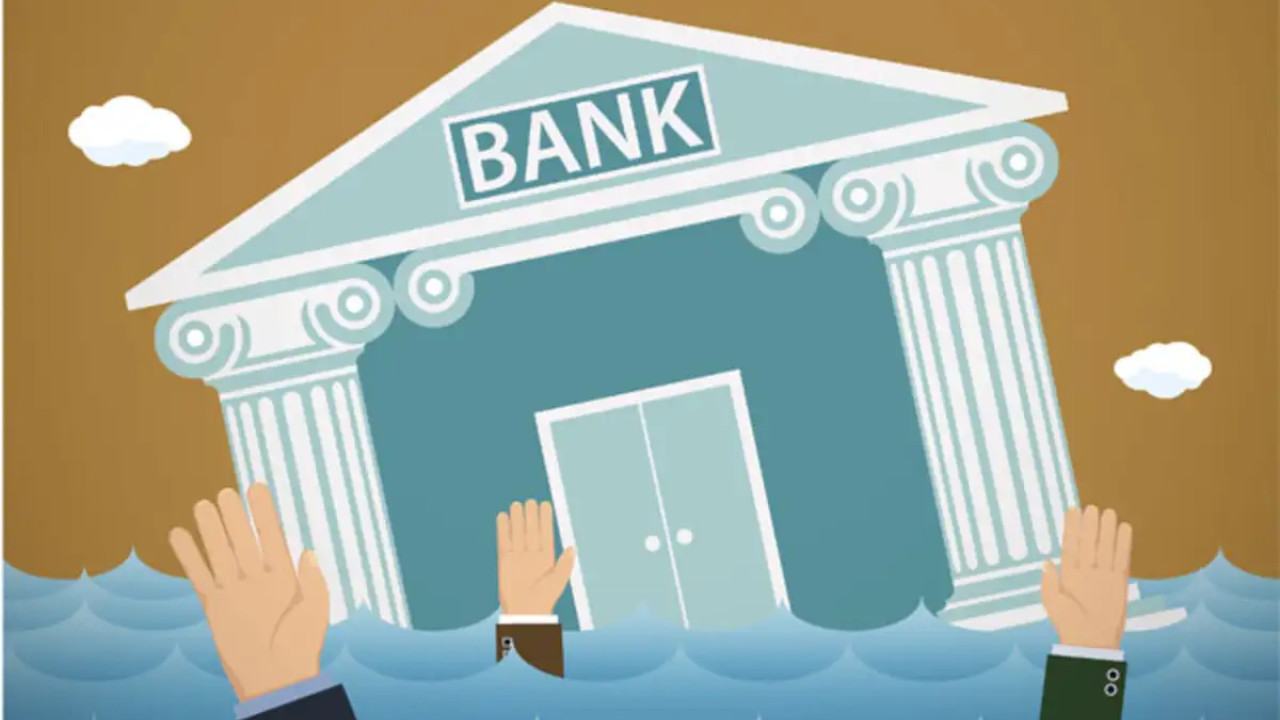
Kiyosaki isn’t known for mincing words. He’s been a vocal critic of traditional financial advice for years, urging individuals to take control of their financial destinies by investing in assets rather than liabilities. His latest prediction? “The biggest crash in history” is on the horizon. This isn’t the first time Kiyosaki has sounded the alarm, and while predicting market crashes is a popular (and often incorrect) pastime amongst financial gurus, his track record and rationale deserve attention.
Understanding Kiyosaki’s Crash Course: Why He’s So Worried
So, what’s fueling Kiyosaki’s grim outlook? It boils down to his analysis of macroeconomic trends. He points to factors like rising inflation, ballooning government debt, and what he perceives as reckless monetary policy by central banks. He argues that these forces are creating an unsustainable bubble that’s poised to burst. He sees the current economic climate as artificially propped up, and when the support is removed (or simply weakens), the consequences will be severe.

Adding fuel to his fire is his distrust of conventional financial instruments. He views assets like stocks and bonds as overvalued and vulnerable to a correction. He believes that relying solely on these assets for retirement or wealth building is a risky proposition in the current environment.
Robert Kiyosaki’s Strategy: Riding Out the Storm
Rather than simply forecasting doom and gloom, Kiyosaki offers a specific strategy for navigating these turbulent waters. His prescription is rooted in diversification and a shift towards tangible assets.
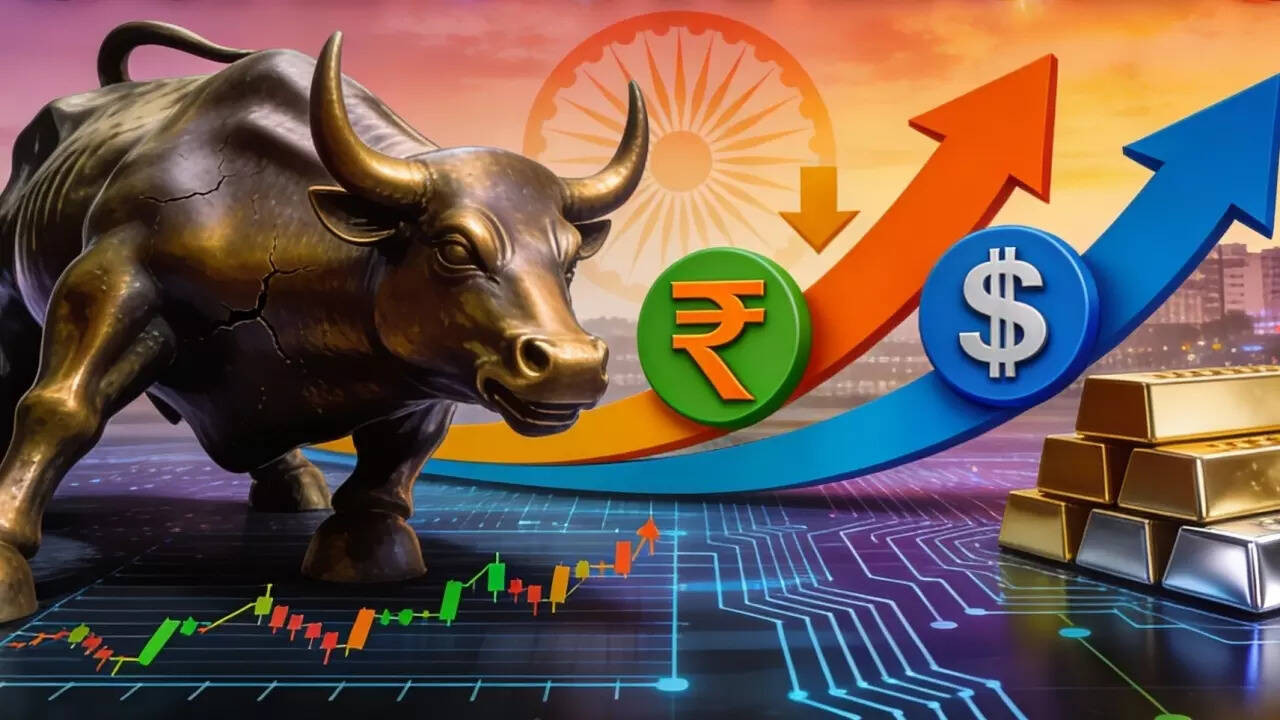
He advocates for investing in what he calls “real assets,” specifically gold, silver, and Bitcoin. He sees these assets as a hedge against inflation and a store of value independent of the traditional financial system. Gold and silver, with their long history as safe havens, are seen as protection against currency devaluation. Bitcoin, on the other hand, represents a more modern, decentralized alternative to fiat currencies.
Kiyosaki emphasizes the importance of financial education. He believes that understanding how money works and how the financial system operates is crucial for making informed investment decisions. This aligns with the core message of “Rich Dad Poor Dad,” which encourages readers to become financially literate and take control of their financial futures. Learn more about achieving [financial freedom](https://yourwebsite.com/financial-freedom).
Is a Market Correction the Same as a Crash? And Should You Care?
It’s important to make some crucial distinctions. While a market correction is a temporary decline in the market (typically 10% or more), a crash is a much more severe and rapid downturn. It’s also important to remember that Kiyosaki’s predictions, while based on his analysis, aren’t guaranteed to come true. The future of the economy is inherently uncertain.

However, that doesn’t mean his warnings should be dismissed entirely. Even if a full-blown crash doesn’t materialize, periods of economic uncertainty are a reality. Diversifying your portfolio, understanding your risk tolerance, and being prepared for potential market volatility are always prudent strategies, regardless of whether or not a crash is imminent.
The Takeaway: Be Prepared, Not Scared
Whether or not Kiyosaki’s prediction of the “biggest crash in history” proves accurate, his message serves as a valuable reminder to take a proactive approach to your finances. It’s a call to understand the risks and opportunities present in the current economic landscape, to educate yourself about different investment options, and to build a portfolio that can withstand potential turbulence. Instead of reacting with fear, use this as an opportunity to examine your financial strategy and make informed decisions that align with your long-term goals.