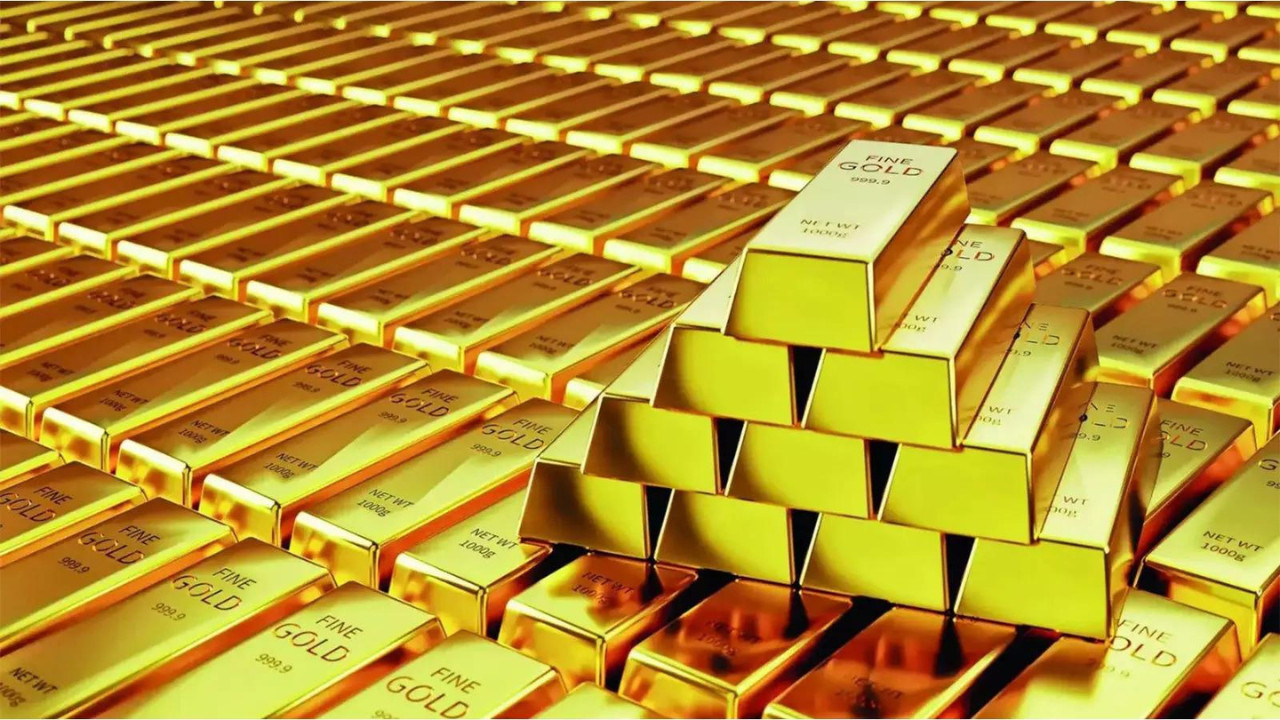
Gold and silver futures opened strongly on Monday, buoyed by a weakening dollar, anticipated US Federal Reserve rate cuts, and a depreciating rupee. Silver futures reached a new peak, with analysts expecting continued strong momentum driven by global economic factors and currency fluctuations.
Is the Glitter Fading? Decoding the Latest Gold Price Fluctuations
The allure of gold. It’s captivated civilizations for millennia, adorned royalty, and served as a safe haven during economic storms. But what’s happening with this timeless treasure today? The market’s been anything but quiet, with prices dancing a delicate jig across India’s major cities. Let’s dive into what’s influencing these shifts and what it might mean for you.
Gold Prices in India: A City-by-City Snapshot
The landscape of gold prices varies noticeably depending on where you are in India. Just like the cost of living, gold rates are affected by local factors, taxes, and demand. As of late November 2025, here’s a glimpse into the price variations across some of the country’s major metropolitan areas:
* Delhi: The nation’s capital has seen some interesting movement, with prices hovering slightly above the national average. Is this due to increased demand ahead of the wedding season, or are other factors at play?
* Mumbai: As the financial heart of India, Mumbai often sets the tone for national trends. Recently, Mumbai’s gold rates mirrored global fluctuations more closely than other cities.
* Chennai: Down south, Chennai’s gold market has demonstrated relative stability compared to the northern regions. This resilience might be tied to cultural preferences and investment patterns specific to the region.
* Kolkata: The City of Joy has witnessed price shifts influenced by local economic activity and import dynamics.
* Bangalore: Known as India’s Silicon Valley, Bangalore’s gold market reflects a blend of traditional investment and modern financial trends. Its fluctuations are worth keeping an eye on, given the city’s economic importance.
These are just a few examples. The message is clear: local context matters when assessing the price of gold.

What’s Driving the Volatility in Gold Rates?
So, what’s causing this constant flux? Several factors are intertwined, creating a complex web of influence:
* Global Economic Winds: Gold is intrinsically linked to the global economy. When uncertainty looms – whether it’s geopolitical tensions, inflation concerns, or anxieties about economic growth – investors often flock to gold as a safe harbor. This increased demand naturally pushes prices upward.
* Rupee’s Role: The strength of the Indian rupee against the US dollar also plays a crucial role. A weaker rupee makes gold imports more expensive, leading to higher prices for Indian consumers.
* Interest Rate Decisions: Central banks around the world, including the Reserve Bank of India (RBI), wield considerable power through their interest rate policies. Higher interest rates can make bonds and other investments more attractive than gold, potentially dampening demand.
* Seasonal Demand: In India, gold demand often spikes during the wedding season and major festivals like Diwali and Dussehra. These periods of heightened demand can put upward pressure on prices.
Investing in Gold: A Strategic Move?

Given all these variables, is now a good time to consider investing in gold? That depends on your individual financial goals and risk tolerance. Gold is often seen as a hedge against inflation and economic uncertainty. If you anticipate either of those scenarios, allocating a portion of your portfolio to gold might be a prudent move. However, it’s essential to remember that gold prices can be volatile, and there’s no guarantee of profit.
Consider exploring different avenues for gold investments such as physical gold (coins, bars), gold ETFs (Exchange Traded Funds), and sovereign gold bonds. Each option comes with its own set of advantages and disadvantages, so doing your research is crucial. Explore other precious metals such as silver to diversify your portfolio.

Navigating the Glittering World of Gold Investments
Understanding the factors influencing gold prices is the first step towards making informed investment decisions. By staying abreast of global economic trends, monitoring the rupee’s performance, and considering seasonal demand patterns, you can gain a better understanding of when to buy, sell, or hold. Remember that gold prices are dynamic, and the market can shift quickly.
Ultimately, the decision to invest in gold should be based on your personal circumstances and financial objectives. Consult with a financial advisor to determine if gold aligns with your overall investment strategy. With careful planning and a keen understanding of the market, you can navigate the glittering world of gold investments with confidence.