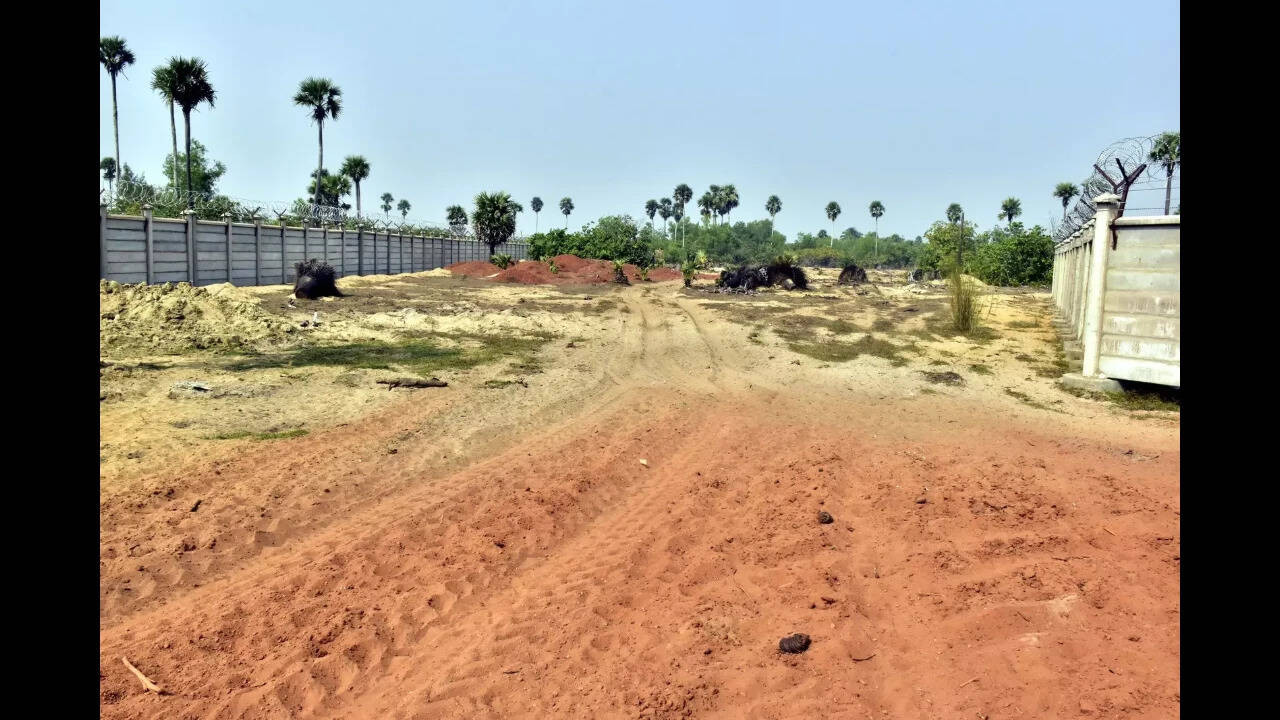
The National Green Tribunal has given the environment ministry a deadline of February 6, 2026, to address a petition opposing the Shree Jagannath International Airport project. Opponents assert that the construction poses a threat to the delicate coastal ecosystem.
Dream Takes Flight? Puri Airport Faces Another Delay
The shimmering sands of Puri, Odisha, beckon millions of pilgrims and tourists each year. For years, a shiny new airport promising easier access to this coastal gem has been on the horizon. But the path to takeoff for the proposed Puri airport, officially named the Shri Jagannath International Airport, has been anything but smooth. The latest chapter in this ongoing saga? Another extended deadline.
The National Green Tribunal (NGT), a body dedicated to environmental protection, has granted the Ministry of Environment, Forest and Climate Change (MoEFCC) more time to respond to a petition challenging the project’s environmental clearances. This isn’t the first extension, and it certainly adds another layer of complexity to an already intricate situation. The NGT has pushed the response deadline to July 15th, adding to the suspense surrounding the airport’s future.
The petition, filed by an environmental activist, raises crucial questions about the project’s potential environmental impact. The concerns revolve primarily around the proposed airport’s proximity to ecologically sensitive zones, including the Balukhand-Konark Wildlife Sanctuary and the Bhargavi River. Activists fear that construction and operation of a major airport could disrupt the delicate ecosystem, impacting local flora and fauna, and potentially exacerbating existing environmental challenges.
Why the Delays? Unpacking the Environmental Concerns
Building a new airport is a massive undertaking. It involves significant land acquisition, construction activity, and the creation of infrastructure to support airport operations. All of this can have profound environmental consequences.
The petitioners are specifically concerned about the potential for:

* Habitat Loss and Fragmentation: The construction could lead to the destruction or fragmentation of vital habitats within the Balukhand-Konark Wildlife Sanctuary, home to diverse species.
* Water Pollution: Runoff from the airport could contaminate the Bhargavi River, impacting water quality and harming aquatic life.
* Noise Pollution: Increased air traffic would inevitably lead to higher noise levels, potentially disturbing wildlife and affecting the quality of life for nearby residents.
* Impact on Coastal Ecosystems: Construction activity could destabilize coastal dunes, increasing vulnerability to erosion and storm surges.
These are valid concerns that deserve careful consideration. The MoEFCC’s response will need to address these issues comprehensively and demonstrate that the project will be undertaken in an environmentally responsible manner.
The Promise of Puri Airport: A Boost to Tourism and the Economy
While environmental concerns are paramount, the potential benefits of a fully functional Puri airport are undeniable. Currently, visitors to Puri typically fly into Bhubaneswar’s Biju Patnaik International Airport, which is still a considerable distance away, requiring a lengthy road trip. A dedicated airport in Puri would drastically cut travel time, making the holy city more accessible to domestic and international tourists.
This increased accessibility could translate into a significant boost for the local economy. More tourists mean more business for hotels, restaurants, transportation providers, and local artisans. The airport could also create new job opportunities in various sectors, from airport operations to hospitality.
The Odisha government has invested significant resources in promoting tourism and developing infrastructure in the region. The airport is seen as a crucial piece of this puzzle, with the potential to transform Puri into a major tourism hub. The government is keen to push the project forward, emphasizing the economic benefits and improved connectivity it would bring. 
Finding the Balance: Development vs. Environmental Protection
The situation highlights the ongoing tension between development and environmental protection. It’s a delicate balancing act that requires careful planning, thorough environmental impact assessments, and a commitment to sustainable practices.

The NGT’s role is to ensure that environmental regulations are followed and that projects are not approved at the expense of the environment. By extending the deadline for the MoEFCC’s response, the tribunal is signaling that it takes these concerns seriously and wants to ensure a comprehensive review of the project’s potential environmental impact. This rigorous scrutiny also applies to other major infrastructural projects, such as the development of eco-tourism in other biodiverse locations. You can read more about responsible tourism initiatives here.
The future of the Puri airport hinges on the MoEFCC’s response. The ministry must demonstrate that it has thoroughly assessed the environmental risks and that it has put in place adequate safeguards to mitigate any negative impacts. The environmental concerns surrounding the proposed Puri Airport are valid and must be given the weight they deserve. Ultimately, the goal is to find a solution that allows for sustainable development while protecting the environment for future generations.
The Waiting Game Continues
With the new deadline set for July 15th, all eyes are on the MoEFCC. Will they provide the necessary assurances to address the environmental concerns? Or will the project face further delays and potential roadblocks? For now, the dream of a Puri airport remains on hold, a testament to the complex challenges of balancing development with environmental responsibility.