Indian markets mirrored global trends as US stocks dipped. Bitcoin’s slide impacted crypto firms. Global bond yields rose, influencing investor sentiment. US factory activity showed a decline. Companies faced ongoing supply chain and hiring challenges. Investors watched holiday shopping data and corporate news.
Wall Street Feels the Chill: Is This More Than Just a Bitcoin Blip?
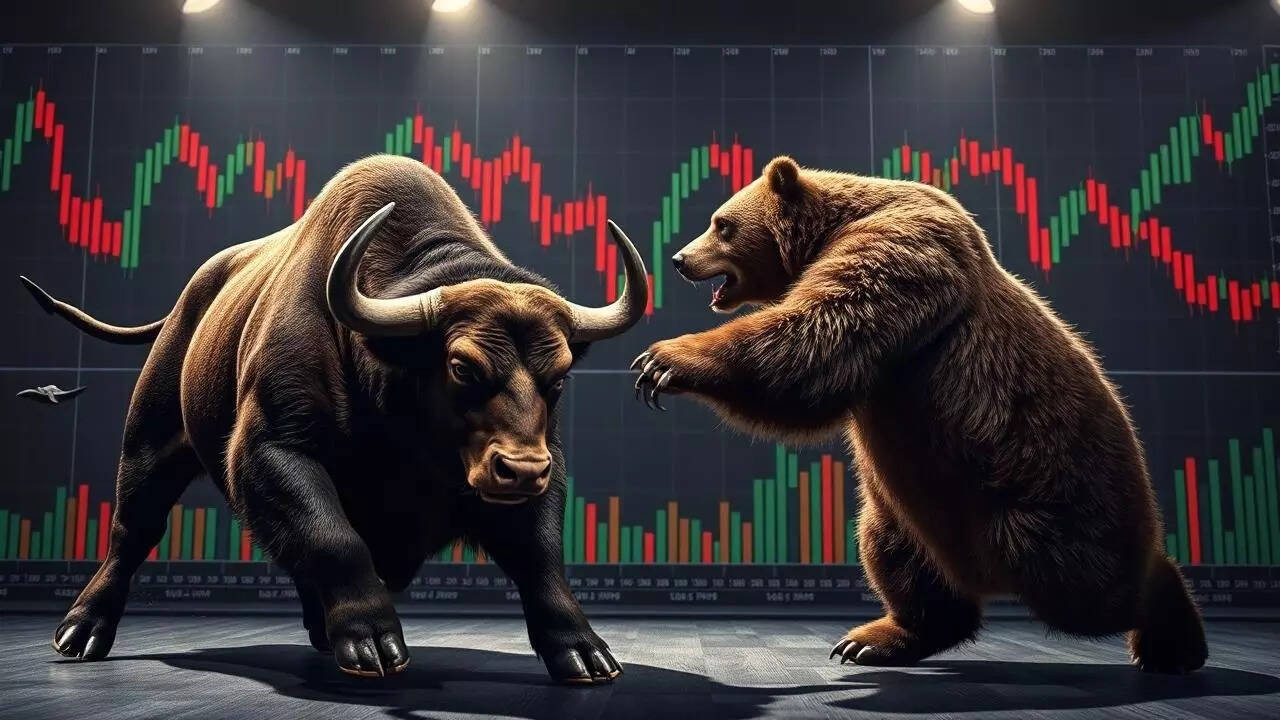
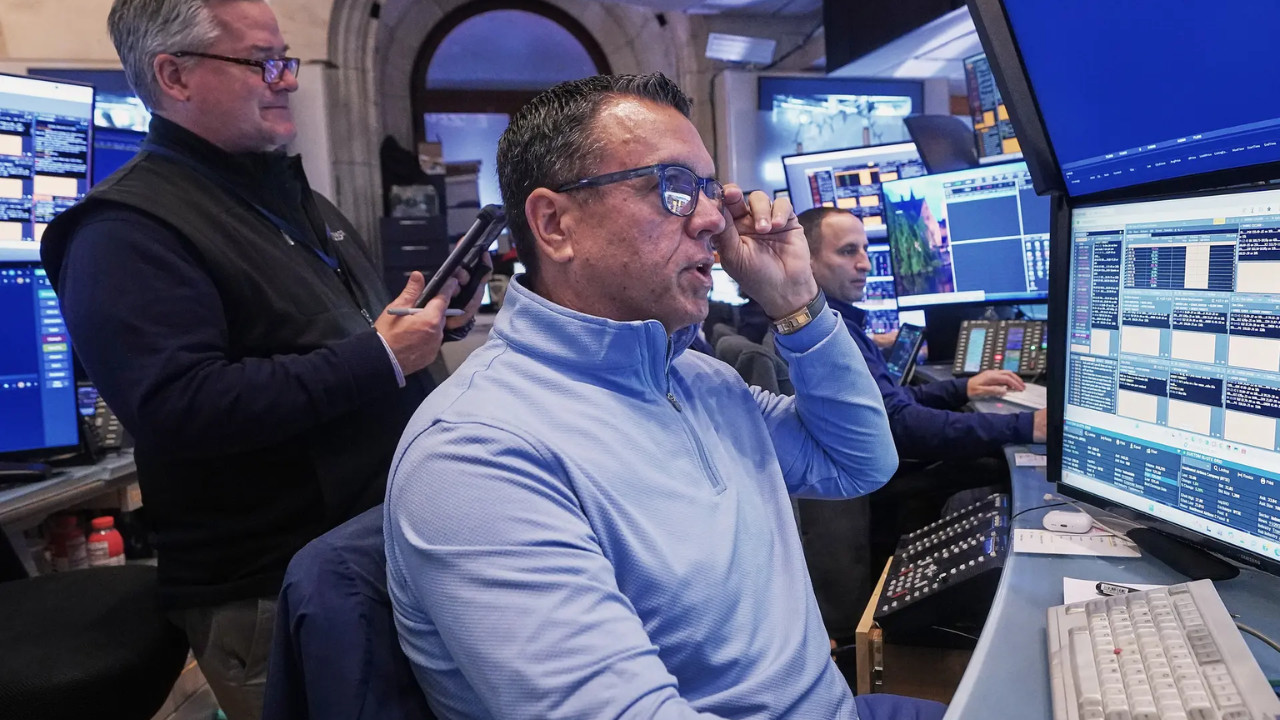
Wall Street just wrapped up a turbulent trading day, leaving investors with a slightly queasy feeling. The major indexes all took a tumble, and the air is thick with uncertainty. But what’s really driving this downturn? Is it just a temporary wobble, or are we seeing the first signs of something more significant?
The immediate trigger seems to be a double whammy: a sharp drop in Bitcoin’s value coupled with growing anxieties about a potential slowdown in manufacturing and the ever-present pressure of tariffs. Let’s unpack this a bit.
Bitcoin, the darling of the crypto world (and sometimes its problem child), experienced a notable dip. This sent ripples throughout the financial markets, reminding everyone of the inherent volatility in the digital asset space. While Bitcoin’s movements don’t always directly correlate with the stock market, they can certainly impact investor sentiment, especially when coupled with other concerning economic indicators.
And those indicators are flashing a few warning signs. Recent data suggests that manufacturing activity is slowing down. This is particularly worrisome because manufacturing is often seen as a bellwether for the broader economy. A slowdown in this sector can signal decreased demand, potential job losses, and a general contraction in economic activity.


On top of that, the ongoing trade tensions and tariffs continue to cast a long shadow. Businesses are struggling to navigate the complex web of tariffs, and the uncertainty is weighing on investment decisions. No one wants to make a major capital expenditure when the rules of the game could change at any moment. The combined effect of these factors is creating a climate of caution on Wall Street.
But is this a full-blown crisis in the making? Or just a temporary market correction? That’s the million-dollar question. Some analysts believe that the market was simply due for a pullback after a period of sustained growth. Others are more concerned, pointing to the potential for a more significant economic downturn.
What makes this situation particularly tricky is the interconnectedness of the global economy. A slowdown in one region can quickly spread to others, exacerbating the problems. The impact of US trade policies on global supply chains, for example, is well-documented, and these effects can ripple through various sectors.
Navigating the choppy waters of US markets.
So, what should investors do in the face of this uncertainty? The standard advice – diversify your portfolio, stay calm, and don’t make rash decisions – is always a good starting point. It’s also crucial to stay informed and pay attention to the underlying economic data. Are we seeing a temporary dip in manufacturing, or is it a sustained trend? Are trade tensions easing, or are they escalating?
Of course, these aren’t easy questions to answer. But by staying informed and focusing on long-term investment strategies, investors can weather the current storm and position themselves for future success.

Furthermore, consider exploring alternative investment opportunities. While the stock market dominates headlines, other asset classes, such as real estate or even certain commodities, can offer diversification and potential returns. Read more about [investment strategies for volatile markets](internal-link-to-related-article).
The recent dip on Wall Street is a reminder that the market is not always a smooth ride. There will be ups and downs, and periods of uncertainty are inevitable. By understanding the underlying factors driving market volatility and adopting a prudent investment strategy, you can navigate these challenges and achieve your long-term financial goals.
Key takeaway: The current market dip highlights the need for vigilance and a well-diversified portfolio to weather potential economic uncertainties. Stay informed, stay calm, and focus on your long-term investment strategy.