Indian auto sales surged in November 2025, with Maruti Suzuki achieving record figures driven by strong domestic demand and exports. Hyundai and Tata Motors also reported significant year-on-year growth, boosted by GST reforms and increasing EV adoption. Toyota Kirloskar Motor continued its upward trend, showcasing the industry’s robust recovery.
Shifting Gears: Why India’s Auto Industry is Cruising Through November
The scent of new car smell filled the air this November, not just metaphorically, but in showrooms across India. Forget the usual pre-winter lull; the Indian auto sector seems to have found an extra gear, with sales figures painting a remarkably buoyant picture. The numbers are in, and they tell a compelling story of resilience, evolving consumer preferences, and a market brimming with potential.
While global economic headwinds continue to buffet many industries, the Indian automotive market is proving remarkably resistant, fueled by a potent cocktail of pent-up demand, festive season cheer, and innovative new offerings. But who are the drivers behind this impressive performance, and what does it signal for the future?
Maruti Suzuki Steals the Show
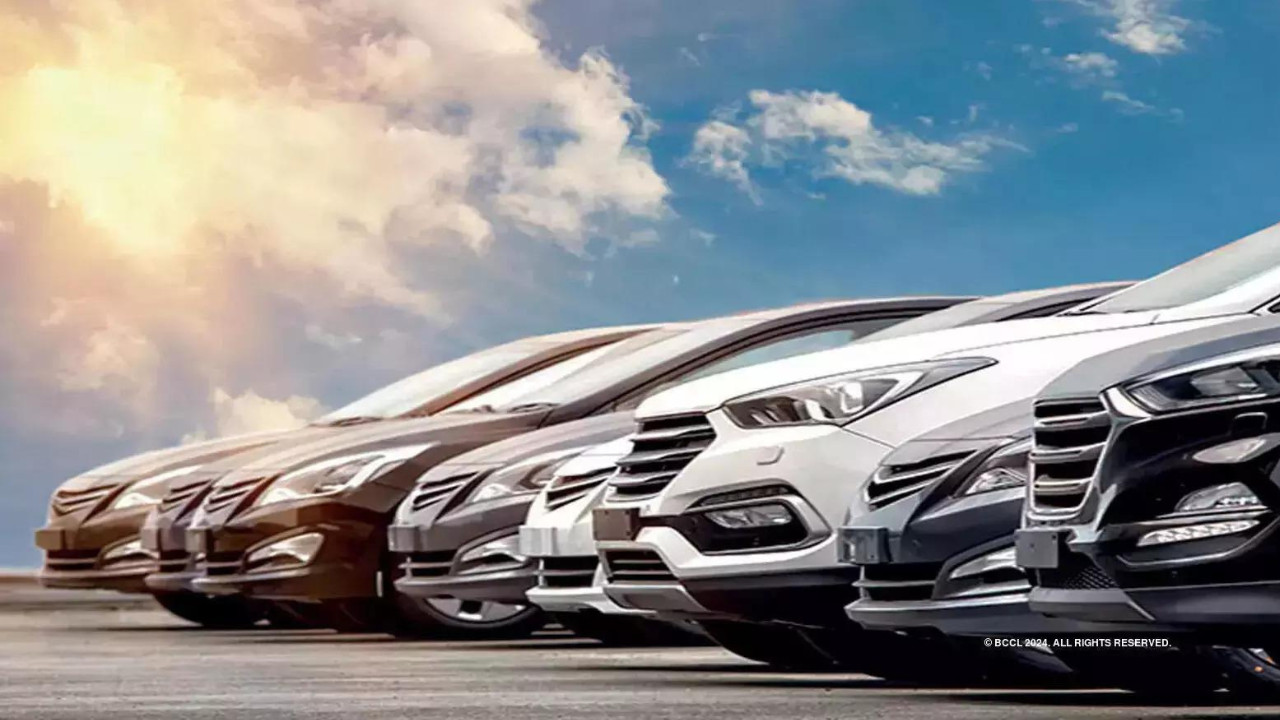
One name roared louder than the rest this November: Maruti Suzuki. The auto giant not only dominated the sales charts but also notched up its highest-ever monthly sales figure. It is a testament to the brand’s enduring popularity and its ability to cater to a wide spectrum of Indian consumers. Their diverse portfolio, ranging from affordable hatchbacks to feature-rich SUVs, clearly resonated with buyers seeking both value and aspiration. What does this mean for the brand? Expect Maruti Suzuki to double down on their strategies in the coming year.
<img src="image-maruti-suzuki-sales.jpg" alt="Maruti Suzuki cars displayed, representing the brand's strong car sales figures.” />
The festive season undoubtedly played a crucial role in boosting sales. Diwali, in particular, is considered an auspicious time to make big-ticket purchases, and many families chose to bring home a new set of wheels. However, attributing the entire success to seasonality would be an oversimplification.

More Than Just Festive Cheer: Underlying Drivers
Beyond the Diwali sparkle, several underlying factors are contributing to the sustained growth. A growing middle class, coupled with rising disposable incomes, is fueling the demand for personal vehicles. Improved infrastructure, particularly the expansion of highway networks, is also making long-distance travel more accessible and encouraging car ownership in tier 2 and tier 3 cities.
Furthermore, the increasing availability of financing options is making car ownership more attainable for a wider range of consumers. Banks and financial institutions are offering attractive loan schemes, easing the burden of upfront payments and EMIs.
The SUV Surge and EV Evolution
The trend towards SUVs continues unabated, with compact SUVs and mid-size SUVs witnessing particularly strong demand. Indian consumers are increasingly drawn to the higher ground clearance, spacious interiors, and perceived safety of these vehicles. Carmakers have responded by flooding the market with new SUV models, catering to every price point and preference. This trend might hint at the increasing need for safety on rough terrain, as well as a desire for a premium feel.
While still a relatively small segment, electric vehicle (EV) sales are also steadily gaining momentum. Government incentives, growing awareness of environmental concerns, and the increasing availability of charging infrastructure are all contributing to the EV revolution. While range anxiety and charging infrastructure remain challenges, the future looks bright for EVs in India.
Key Players and Their Performance
While Maruti Suzuki led the pack, other automakers also posted healthy sales figures. Hyundai, Tata Motors, Mahindra, and Kia all showcased their strengths in the Indian market. Hyundai, with its premium offerings, continued to attract a discerning customer base. Tata Motors, riding on the success of its SUVs and EVs, solidified its position as a homegrown champion. Mahindra, known for its rugged and reliable vehicles, maintained its appeal among SUV enthusiasts. Kia, with its stylish and feature-packed models, continued to make inroads into the Indian market. Each player has a unique formula for success.
Navigating the Road Ahead: Challenges and Opportunities
Despite the current optimism, the Indian auto industry faces its share of challenges. Rising input costs, supply chain disruptions, and evolving regulatory norms are all potential speed bumps on the road ahead. However, these challenges also present opportunities for innovation, localization, and sustainable growth.

Carmakers are increasingly focusing on localizing their supply chains, reducing their reliance on imports, and mitigating the impact of global disruptions. They are also investing heavily in research and development, developing new technologies, and adapting to the changing needs of the Indian consumer.
The Indian auto industry is in a state of dynamic evolution. The trends this November indicate strong underlying demand and a market ready to embrace new technologies and models. This momentum offers ample opportunities for growth and innovation.
Car sales in India are more than just numbers on a chart; they are a reflection of a nation on the move. The November sales figures serve as a potent reminder of the Indian auto industry’s resilience and its potential to drive economic growth and societal progress. As the industry navigates the complexities of the future, one thing is clear: the road ahead is paved with possibilities.