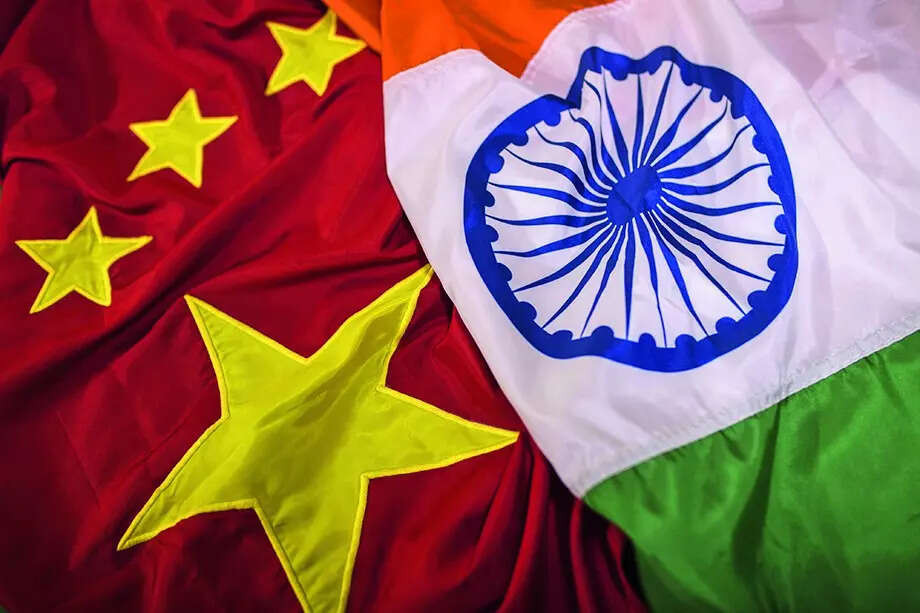
Chinese electronics giants like Oppo and Vivo are increasingly relying on loans from their group companies to fund Indian operations. This shift to external commercial borrowings (ECBs) stems from roadblocks in securing equity funding due to Press Note 3 (PN3) rules and regulatory actions, making bank loans difficult. The funding challenges are impacting expansion plans for some firms.
Navigating the Labyrinth: How Chinese Electronic Brands Are Staying Afloat in India
For years, Chinese electronic companies have enjoyed a significant advantage, fueled by readily available equity capital that allowed for aggressive expansion and competitive pricing strategies. This influx of funds enabled them to capture a substantial portion of the Indian market, often overshadowing domestic players. However, tightened regulatory scrutiny and a shift in geopolitical dynamics have significantly impacted the ease with which these companies can access such funding. The tap hasn’t been completely shut off, but the flow has undeniably been constricted, forcing a strategic rethink.
The Funding Squeeze: More Than Just a Hiccup?
What’s behind this financial bottleneck? Increased vigilance regarding foreign investments, particularly those originating from China, is a major factor. The Indian government, keen on promoting domestic manufacturing and ensuring national security, has implemented stricter screening processes. This has led to delays and, in some cases, outright rejection of proposed equity injections, leaving Chinese brands scrambling for alternative solutions.


The impact is being felt across the board. Brands that were once aggressively expanding their retail footprint are now taking a more cautious approach. Marketing budgets are being re-evaluated, and investments in new product development are being carefully prioritized. The era of unfettered growth, fueled by easily accessible capital, is giving way to a more pragmatic and resourceful approach.
Beyond Equity: Creative Strategies for Survival and Growth
So, how are these companies adapting? The answer lies in a combination of resourceful financial engineering and a keen understanding of the Indian market.
* Reliance on Internal Accruals: Many established players are increasingly relying on profits generated within the Indian market to fund their operations and expansion. This signifies a shift from a dependence on external funding to a more sustainable, self-reliant model. This approach requires a sharp focus on profitability and efficient resource allocation.
* Debt Financing Takes Center Stage: With equity capital becoming harder to secure, debt financing is emerging as a viable alternative. Chinese brands are exploring options such as loans from Indian banks and financial institutions. This, however, requires demonstrating strong financial performance and a credible business plan, raising the bar for operational efficiency.
* Strategic Partnerships and Localization: Collaborating with local partners can provide access to valuable resources, including distribution networks, manufacturing capabilities, and, importantly, access to Indian capital markets. Increased localization of production, with components being sourced locally, not only reduces costs but also strengthens the brand’s image as a contributor to the Indian economy. This approach helps to circumvent some of the challenges associated with foreign investment restrictions.
* Focusing on High-Value Segments: Some brands are strategically shifting their focus to higher-margin product categories, such as premium smartphones and smart home devices. This allows them to generate greater revenue per unit sold, reducing their reliance on large volumes and aggressive pricing strategies that were previously fueled by easy access to equity. See also our post on how to navigate the shifting electronics market.
The Road Ahead: Resilience and Adaptation

The current challenges faced by Chinese electronic brands in India are undoubtedly significant. However, they are not insurmountable. The Indian market remains a crucial one, with its vast consumer base and immense growth potential. By embracing innovative funding strategies, fostering strong local partnerships, and adapting their business models to the evolving regulatory landscape, these companies can not only survive but also thrive in the long run. The landscape has changed, demanding greater agility and financial prudence. The companies that adapt successfully will be the ones that continue to shape the future of the Indian electronics market.
Ultimately, the story here isn’t one of retreat, but one of resilience, adaptation, and a willingness to navigate the complexities of a dynamic and evolving market. These Chinese electronic brands are showing us that with ingenuity and resourcefulness, even the most challenging obstacles can be overcome.