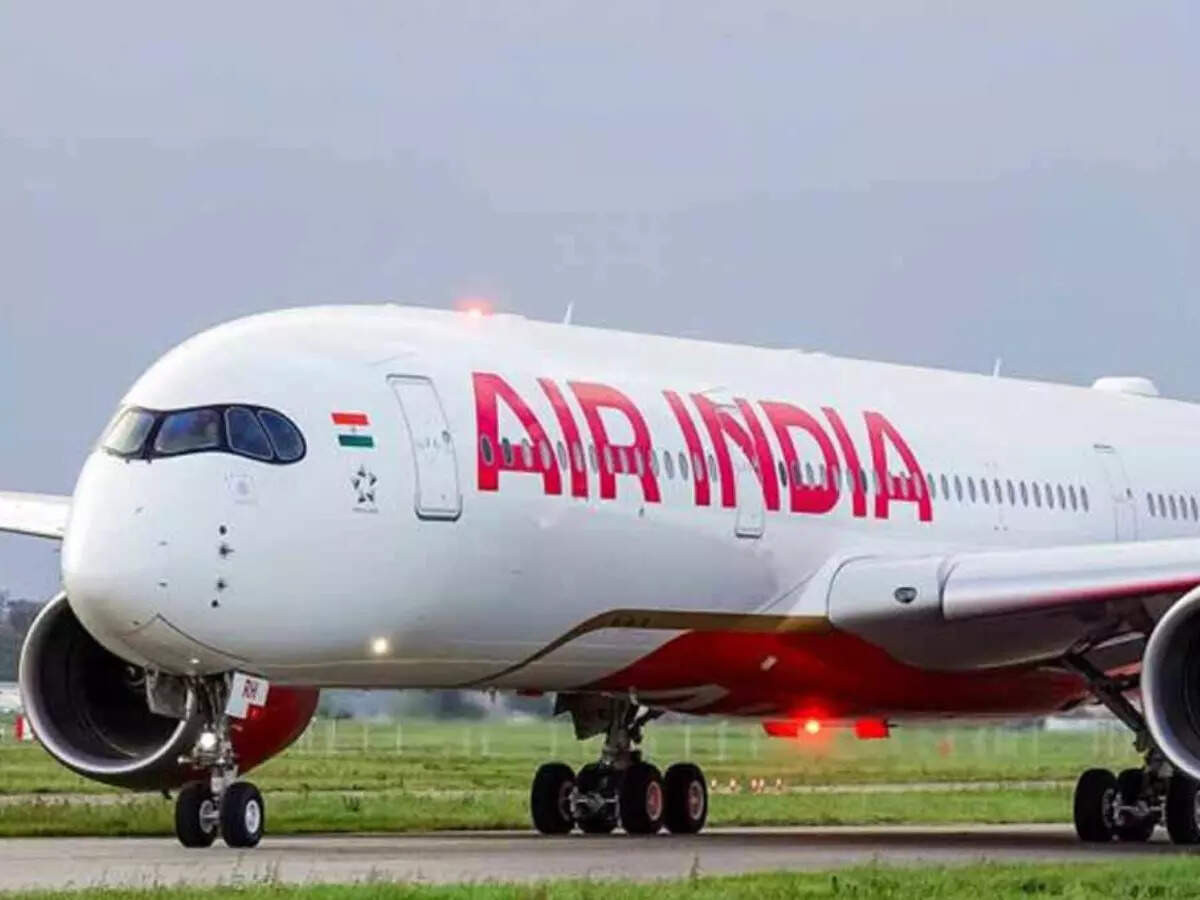
Air India operated a 164-seater Airbus A320 on eight flights with an expired airworthiness license, posing a safety risk. The airline has suspended responsible personnel, and the DGCA is investigating the critical lapse. This incident further complicates Air India’s efforts to rebuild passenger confidence following a previous fatal crash.
Taking Flight on Shaky Wings: Air India’s Certificate Lapse Raises Serious Questions
For eight consecutive flights, a specific Air India aircraft soared through the skies without a valid Certificate of Airworthiness (CoA) – a document considered the aviation equivalent of a car’s registration and safety inspection, essentially saying “this vehicle is fit to fly.” The Directorate General of Civil Aviation (DGCA), India’s aviation regulatory body, has launched a full investigation into this startling oversight, prompting serious questions about oversight and maintenance protocols within the airline. How could such a fundamental requirement have been missed, and what implications does this incident have for passenger safety and confidence?
The news is unsettling. Imagine boarding a flight, trusting implicitly in the rigorous safety checks and regulations that govern air travel, only to later discover that the very plane you were on hadn’t been officially certified as safe for flight. That trust, the bedrock of the entire aviation industry, is what’s currently under scrutiny.
Unpacking the Airworthiness Certificate Issue
A Certificate of Airworthiness isn’t merely a piece of paper; it’s the formal declaration that an aircraft meets the minimum design and manufacturing standards for safe operation. It’s issued after a thorough inspection that covers everything from the structural integrity of the airframe to the functionality of the engines and onboard systems. Think of it like this: regular car maintenance ensures peak performance, a valid CoA ensures passenger safety.

The investigation centers around determining how the Air India aircraft managed to operate those eight flights without the critical CoA. Was it a simple administrative error? A lapse in communication between departments? Or something more systemic? The DGCA’s probe will likely delve into the airline’s maintenance records, internal communication channels, and compliance procedures to pinpoint the root cause of the problem. It’s not enough to simply correct the error; the investigation needs to ensure this never happens again.
What Happens Now? Focus on Regulatory Scrutiny

The DGCA takes these breaches seriously, and rightly so. Aviation safety is paramount, and any deviation from established protocols is treated with utmost gravity. The consequences for Air India could range from financial penalties to stricter monitoring of its operations. The bigger impact, however, is the renewed focus on regulatory scrutiny across the entire aviation sector. Other airlines will undoubtedly be reviewing their own internal processes to ensure compliance and avoid similar situations.
The investigation will not only determine the cause of the Air India incident, but also likely prompt a broader review of the DGCA’s own oversight mechanisms. Are there weaknesses in the current system that need to be addressed? Are inspectors adequately equipped and trained to identify potential lapses? The answers to these questions could lead to significant changes in how aviation safety is regulated in India. This incident underscores the importance of robust and independent regulatory bodies capable of enforcing stringent safety standards.

Impact on Passenger Confidence and Looking Ahead
The news undoubtedly raises concerns among passengers. While statistically, air travel remains incredibly safe, incidents like this erode the public’s trust in the industry. Air India will need to take proactive steps to reassure passengers that their safety is, and always will be, the top priority. This includes transparent communication about the investigation, enhanced maintenance procedures, and a demonstrable commitment to regulatory compliance.
Moreover, this could be an opportunity for Air India to strengthen its internal safety culture. A culture that encourages employees to report potential safety concerns without fear of reprisal is essential for preventing future incidents. Investment in training, technology, and communication can all contribute to a safer and more reliable flying experience.
This situation isn’t just about one airline or one aircraft. It’s a reminder that eternal vigilance is the price of aviation safety. The DGCA’s investigation is a crucial step in ensuring that India’s skies remain safe for everyone. As the investigation proceeds, keep an eye on this related article detailing broader challenges facing the aviation industry. The hope is that this incident will serve as a catalyst for positive change, leading to stronger safety protocols, increased regulatory oversight, and ultimately, renewed passenger confidence.