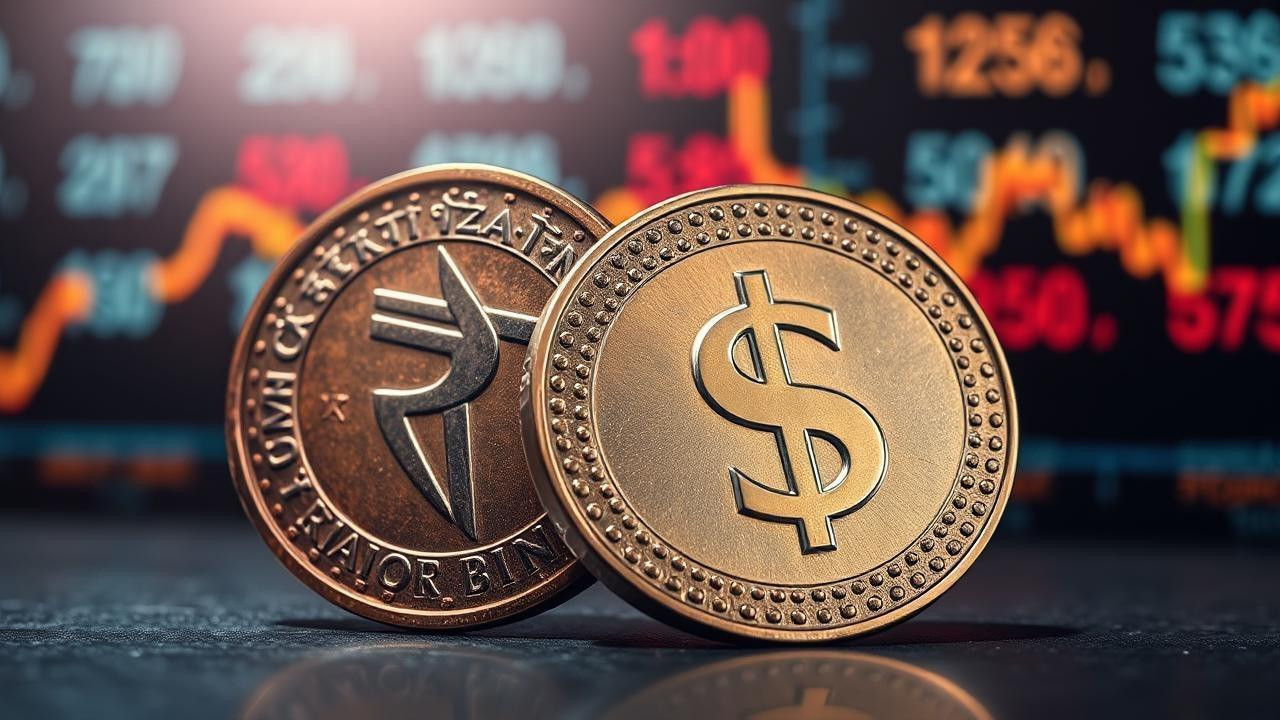
The Indian Rupee hit a historic low on Wednesday, crossing the 90-per-dollar mark for the first time. This decline was driven by foreign fund outflows, rising crude oil prices, and uncertainty surrounding the India-US trade deal. Market watchers noted a lack of Reserve Bank of India intervention for much of the session.
The Rupee’s Tumble: What’s Driving India’s Currency to Record Lows?
The Indian rupee is navigating turbulent waters, recently breaching the 90 mark against the US dollar for the first time ever. It’s a headline grabber, but what’s really going on, and what does it mean for the Indian economy and your pocketbook? Let’s dive in and unpack the forces at play.
The most recent drop saw the rupee hitting a record low of 90.21 against the dollar. While currency fluctuations are a normal part of the global economic landscape, this sharp depreciation raises some serious questions and concerns. Several interconnected factors are contributing to this downward pressure.
Flight to Safety: Why the Dollar is King
A major player in this drama is the strength of the US dollar itself. Think of the dollar as a safe harbor in a storm. When global economic uncertainty rises – fuelled by geopolitical tensions, concerns about global growth, or rising interest rates in the US – investors tend to flock to the perceived safety of the dollar. This increased demand drives up the dollar’s value, putting downward pressure on other currencies, including the rupee. The US Federal Reserve’s aggressive interest rate hikes to combat inflation have further amplified this effect. Higher interest rates in the US make dollar-denominated assets more attractive to investors, accelerating the flow of capital towards the US.

The Crude Oil Conundrum

India is a major importer of crude oil, relying heavily on foreign sources to meet its energy needs. When global crude oil prices rise (as they have been doing due to supply chain disruptions and geopolitical instability), India’s import bill balloons. This increased demand for dollars to pay for oil imports puts further pressure on the rupee. It’s a simple supply-and-demand dynamic: more demand for dollars, lower value for the rupee. It’s a complex issue with no easy answers.
Foreign Investor Outflows: A Vote of No Confidence?
Another critical factor is the outflow of foreign portfolio investment (FPI). FPI refers to investments made by foreign investors in Indian financial markets, such as stocks and bonds. Recently, we’ve seen a significant exodus of foreign funds from the Indian market. This can be triggered by a variety of factors, including concerns about India’s economic growth prospects, policy uncertainties, or simply a reassessment of risk appetite in the global market. When foreign investors sell their Indian assets, they convert their rupees back into dollars, further increasing the demand for the US currency and weakening the rupee. We have seen similar pressures faced by other emerging markets as well.
What Does a Weak Rupee Mean for You?
The depreciation of the rupee has a ripple effect throughout the Indian economy, impacting businesses and consumers alike.
* Inflationary Pressures: A weaker rupee makes imports more expensive. This includes not only essential commodities like crude oil but also a wide range of manufactured goods and components. Higher import costs can translate into higher prices for consumers, exacerbating inflationary pressures already present in the economy.
* Impact on Businesses: Businesses that rely on imported raw materials or components will face increased costs, potentially squeezing their profit margins. Exporters, on the other hand, may benefit from a weaker rupee, as their products become more competitive in international markets.
* Increased Debt Burden: Indian companies that have borrowed heavily in foreign currencies will find their debt burden increasing as the rupee depreciates. This could put a strain on their financial health and potentially lead to defaults.
* Travel and Education Abroad: For Indian citizens planning to travel or pursue education abroad, a weaker rupee makes these endeavors more expensive, as they will need to shell out more rupees to buy the same amount of foreign currency.
Navigating the Storm: What Can Be Done?

The Reserve Bank of India (RBI) has a crucial role to play in managing the volatility of the rupee. The RBI can intervene in the foreign exchange market by selling dollars from its reserves to increase the supply of the US currency and ease the pressure on the rupee. However, excessive intervention can deplete the country’s foreign exchange reserves, so the RBI needs to strike a delicate balance. Besides intervention, the RBI can also use monetary policy tools, such as adjusting interest rates, to influence capital flows and stabilize the currency. The Central Government is also trying to encourage foreign investment to balance out the FII outflows. You can read about other RBI interventions in the Forex market on our site.
Looking Ahead: A Bumpy Ride?
The outlook for the rupee remains uncertain. The currency’s trajectory will depend on a complex interplay of global and domestic factors, including the path of US interest rates, the evolution of global crude oil prices, and India’s economic growth momentum. It is crucial to keep a close eye on global economic events and the actions taken by the RBI to stabilize the currency. While the situation presents challenges, it also highlights the need for India to strengthen its economic fundamentals, reduce its dependence on imports, and attract more long-term foreign investment to build resilience against external shocks.
The ongoing situation with the Indian rupee emphasizes the intricate connections within the global economy and the importance of proactive measures to safeguard India’s financial stability.