Clear Skies Ahead for IndiGo? A Potential Resolution to Pilot Rest Rule Disruptions
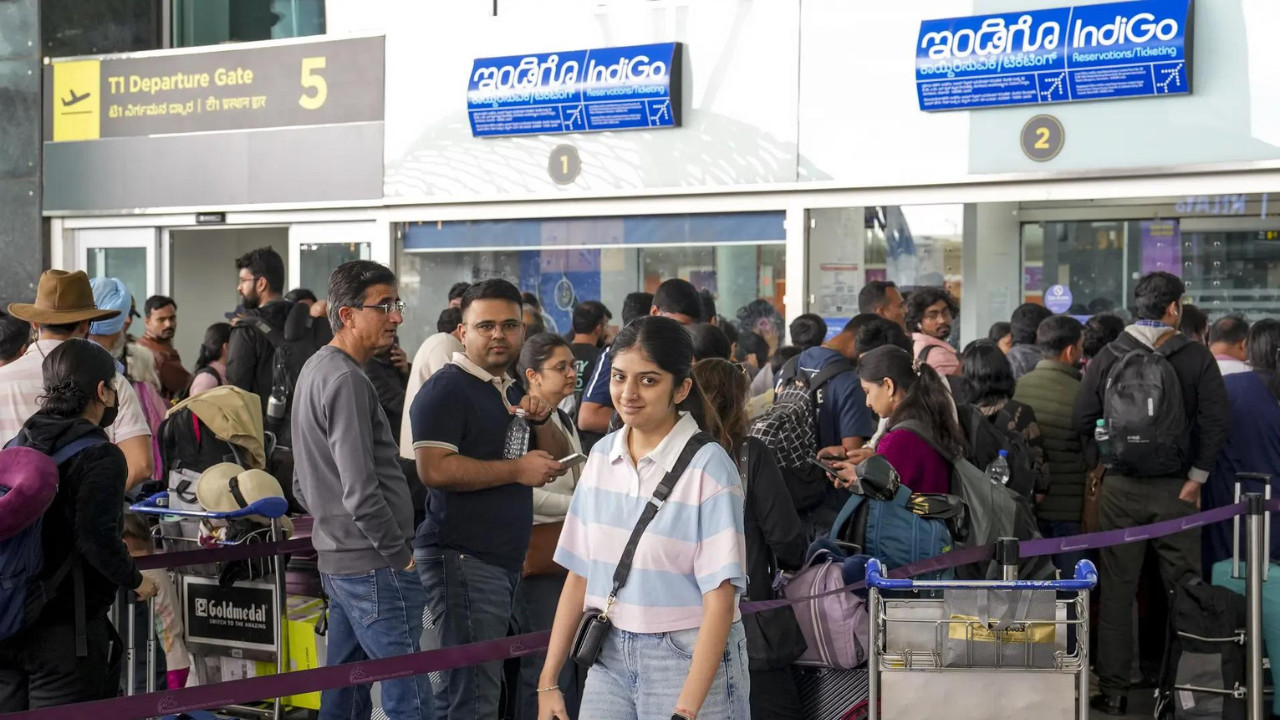
For weeks, flight schedules have resembled a game of chance for IndiGo passengers. Cancellations and delays rippled across the airline’s network, leaving travelers stranded and frustrated. At the heart of the turbulence? New pilot rest regulations aimed at bolstering aviation safety. But could there be a light at the end of the runway? It appears so.
The Directorate General of Civil Aviation (DGCA), India’s aviation regulator, is reportedly considering granting a partial waiver on these new pilot rest rules to IndiGo. This potential easing of restrictions comes as the airline scrambles to mitigate the significant disruption caused by the new guidelines, which came into effect on June 1st.

The core issue lies in the stricter requirements for pilot rest periods before and after flights. While undeniably crucial for ensuring flight safety and reducing pilot fatigue – a major contributing factor to aviation incidents – these new rules have placed considerable strain on IndiGo’s operational capacity. With pilots requiring longer rest periods, the airline has struggled to maintain its flight schedule, leading to a wave of cancellations.
IndiGo’s Mitigation Strategy: The Key to a Waiver?

The DGCA’s willingness to consider a partial waiver hinges on IndiGo’s ability to present a robust mitigation plan. This plan must convincingly demonstrate how the airline intends to address the challenges posed by the new regulations while maintaining the highest standards of safety. It’s a delicate balancing act. The airline needs to show how it will optimize its pilot rostering, manage crew fatigue, and minimize disruptions to passenger travel.
The specifics of IndiGo’s proposed mitigation plan are still under wraps. However, it’s likely to include strategies such as hiring additional pilots, adjusting flight schedules to allow for longer layover times, and implementing advanced fatigue risk management systems. The DGCA will be scrutinizing these measures with a fine-tooth comb, ensuring they are not just band-aid solutions, but sustainable strategies for long-term compliance and safety.
Why the Pilot Rest Rule Changes in the First Place?
The revised Flight Duty Time Limitations (FDTL), as the pilot rest rules are officially known, are rooted in the principle of proactive safety. Extensive research has shown a clear link between pilot fatigue and reduced performance, increasing the risk of errors and accidents. These rules mandate increased rest periods for pilots, both before and after flights, limiting the number of flight hours they can accumulate within a given timeframe.
While the immediate impact on airlines like IndiGo has been challenging, the long-term benefits of these regulations are undeniable. A rested and alert pilot is undeniably a safer pilot, contributing to a more secure flying environment for both crew and passengers. For more on the importance of aviation safety, check out our post on [recent advancements in aircraft maintenance].

What a Partial Waiver Could Look Like
The term “partial waiver” suggests a nuanced approach. The DGCA isn’t expected to completely roll back the new regulations for IndiGo. Instead, the waiver could involve a phased implementation of certain aspects of the rules, allowing the airline more time to adapt its operations. It could also involve exemptions for specific flight routes or types of aircraft, where the impact of the regulations has been particularly acute.
Whatever the specifics, the DGCA will likely impose strict conditions on any waiver granted. IndiGo will be required to closely monitor pilot fatigue levels, implement robust reporting mechanisms, and demonstrate ongoing commitment to continuous improvement in its fatigue risk management. Failure to comply with these conditions could result in the waiver being revoked, plunging the airline back into operational chaos.
The potential for a partial waiver on the new pilot rest regulations offers a glimmer of hope for IndiGo and its passengers. A well-crafted mitigation plan, coupled with a pragmatic approach from the DGCA, could pave the way for smoother operations, reduced disruptions, and a continued commitment to aviation safety. The coming weeks will be crucial in determining whether IndiGo can successfully navigate these challenges and chart a course towards calmer skies.