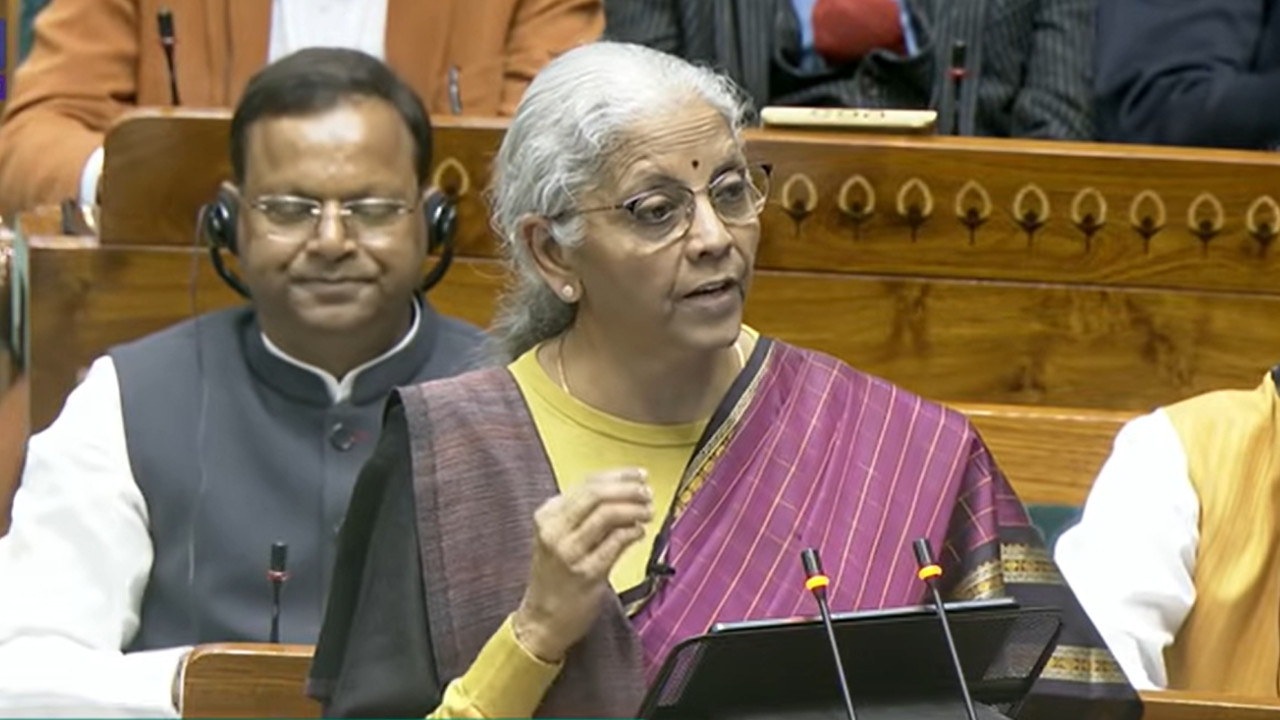
The Reserve Bank of India cut its policy repo rate by 25 basis points to 5.25%, while raising the FY26 GDP forecast to 7.3% and lowering inflation to 2%. Governor Sanjay Malhotra announced liquidity measures, citing a “rare Goldilocks period” of benign inflation and strong growth.
India’s Economic Sweet Spot: Navigating Growth and Stability
The Indian economy is currently experiencing a fascinating balancing act – a “Goldilocks period,” as some are calling it. It’s a moment where growth feels just right, neither overheating nor running cold. This delicate equilibrium was the backdrop for a recent policy announcement that could have significant ripple effects throughout the financial landscape.
India’s Finance Secretary, Vivek Malhotra, has unveiled a series of measures designed to keep this Goldilocks economy on track, primarily by fine-tuning interest rates and injecting liquidity into the market. The central piece of this strategy is a carefully calibrated 25 basis point (bps) rate cut. But what does this actually mean for the average person and the broader economic outlook?
Decoding the Rate Cut and What It Means
A rate cut of 25 bps might sound like financial jargon, but its implications are far-reaching. Think of it as a subtle nudge to encourage borrowing and spending. By lowering the interest rate at which banks can borrow money, the hope is that they will, in turn, lower the interest rates they charge to consumers and businesses.
This could translate to cheaper home loans, auto loans, and business loans, making it more attractive for individuals and companies to invest and expand. The goal is to stimulate economic activity without triggering runaway inflation. It’s a delicate balancing act, akin to a driver gently applying the accelerator to maintain momentum.


Injecting Liquidity: Fueling the Economic Engine
Alongside the rate cut, Malhotra announced a substantial ₹1.5 lakh crore liquidity boost. This injection of funds into the financial system acts as fuel for the economic engine. By making more money available to banks and other financial institutions, the government aims to ensure that businesses have the capital they need to operate, grow, and create jobs.
This liquidity boost could manifest in several ways. Banks might be more willing to lend to small and medium-sized enterprises (SMEs), which are often the engine of job creation. It could also facilitate infrastructure projects, providing a much-needed stimulus to the construction and related industries. It is about keeping the wheels turning smoothly. For further information on the economic health of the nation, see our piece discussing previous finance secretary actions here.
Navigating the Goldilocks Economy
Malhotra’s assessment of the Indian economy as being in a “rare Goldilocks period” is noteworthy. This term suggests a scenario where inflation is under control, and economic growth is robust – a sweet spot that many economies strive for but rarely achieve. It paints a picture of an economy that is neither too hot (overheating with high inflation) nor too cold (stagnant with low growth).
Maintaining this delicate balance requires careful maneuvering. The rate cut and liquidity boost are designed to support growth, but policymakers will need to keep a close eye on inflation to ensure that it doesn’t creep up to unsustainable levels. It’s a constant process of monitoring, evaluating, and adjusting course as needed.

Challenges and Considerations
While the Goldilocks scenario is encouraging, it’s essential to acknowledge the challenges that lie ahead. Global economic uncertainties, fluctuating commodity prices, and potential disruptions to supply chains could all pose risks to India’s economic stability.
Furthermore, the effectiveness of the rate cut and liquidity boost will depend on several factors, including the willingness of banks to pass on the benefits to consumers and businesses, and the overall investment climate. It’s not enough to simply make money available; there needs to be a demand for it.
Impact of the Interest Rate Cut
Ultimately, the success of these policy measures will be judged by their impact on key economic indicators such as GDP growth, inflation, employment, and investment. If the rate cut and liquidity boost can effectively stimulate economic activity without fueling inflation, they will be considered a success. Only time will tell if this delicate balance can be maintained. The 25 bps interest rate cut is a bold move designed to foster a thriving economy, but its true impact will depend on skillful execution and careful monitoring in the months to come.