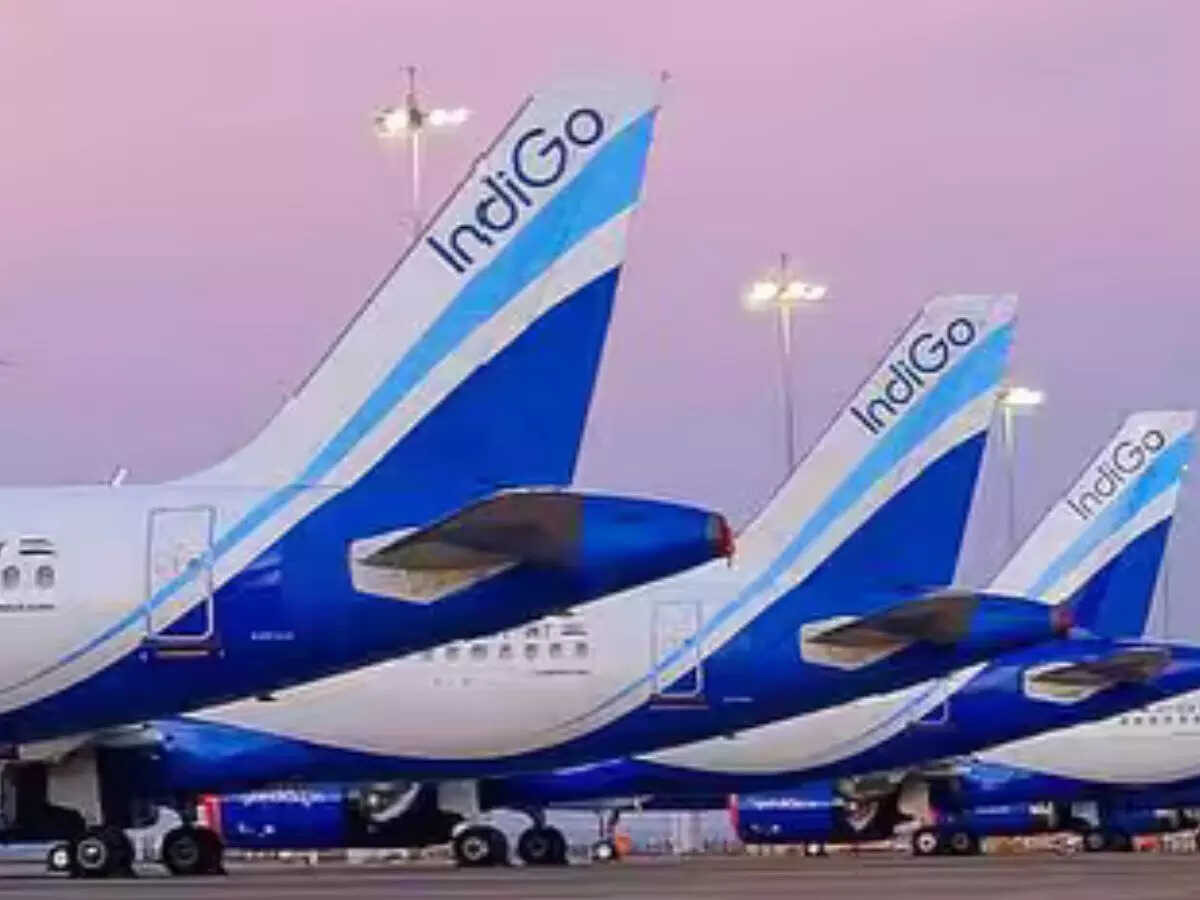
IndiGo faces significant operational turmoil and a hit to investor sentiment as large-scale flight cancellations continue nationwide. The airline’s stock has seen a notable decline, with analysts warning of further drops if disruptions persist. IndiGo is seeking regulatory relief and aims to restore stable operations by February 2026.
Turbulence Ahead? Decoding IndiGo’s Recent Flight Cancellations and Market Dip
The skies haven’t been entirely clear for IndiGo lately. Anyone following the Indian aviation scene has likely noticed the headlines: flight cancellations, passenger frustrations, and a noticeable dip in the company’s stock price. While occasional turbulence is expected in any industry, the confluence of these factors has prompted a closer look at what’s happening with the country’s largest airline.
Over the past five days, IndiGo’s stock price has experienced a slide, shedding over 7% of its value. This drop, while not catastrophic, raises questions about investor confidence and the underlying health of the airline’s operations. What’s fueling this descent? The answer appears to be multi-faceted, but flight cancellations are undoubtedly playing a significant role.
The problem isn’t isolated incidents. Reports are surfacing of a significant number of flights being axed, leaving passengers stranded and scrambling to rebook. This disruption doesn’t just inconvenience travelers; it erodes trust in the airline’s reliability and operational efficiency. Passengers, understandably, are turning to social media to vent their frustrations, further amplifying the negative publicity.


So, what’s behind these cancellations? A complex interplay of factors appears to be at work. One key element is undoubtedly the weather. The monsoon season in India brings with it significant challenges, including heavy rainfall, thunderstorms, and low visibility, all of which can ground flights for safety reasons. While weather-related disruptions are unavoidable, the sheer scale of the cancellations suggests that other issues might be compounding the problem.
Crew availability is another potential factor. Managing crew schedules for a large airline is a logistical challenge, and unforeseen circumstances, such as illness or regulatory requirements, can lead to shortages. Any disruption in crew rostering can quickly cascade into flight cancellations. Could IndiGo be struggling to efficiently manage its personnel resources?
Furthermore, aircraft maintenance plays a crucial role in airline operations. Keeping a large fleet of aircraft airworthy requires meticulous planning and execution. Unexpected maintenance needs can ground planes, leading to flight disruptions and potential ripple effects across the network. It’s essential to remember that safety is paramount, and airlines will always prioritize maintenance, even if it means temporarily reducing flight capacity.
The impact of these cancellations extends beyond passenger inconvenience and stock market fluctuations. It also affects IndiGo’s bottom line. Flight cancellations translate to lost revenue, increased operational costs associated with rebooking passengers, and potential compensation claims. Repeated disruptions could also damage the airline’s brand reputation in the long run, potentially impacting future bookings.
What does the future hold for IndiGo? Will it successfully navigate this period of turbulence, or will these challenges lead to more significant problems? The answer lies in the airline’s ability to address the root causes of the flight cancellations, improve operational efficiency, and restore passenger confidence. This could involve investing in better weather forecasting technology, optimizing crew scheduling, and streamlining maintenance processes. Strong communication with passengers and proactive problem-solving will also be crucial.

IndiGo’s recent performance underscores the inherent vulnerabilities in the airline industry. External factors, such as weather, can significantly impact operations, but internal efficiency and proactive planning are equally important. It’s a reminder that even the largest airlines are not immune to challenges, and their ability to adapt and overcome adversity will determine their long-term success. Related: Looking for more flight deals? Check out our article on [finding the cheapest flights within India](/cheap-flights-india).
Ultimately, the IndiGo flight cancellations serve as a valuable case study in the complexities of airline management. By tackling these issues head-on, the airline can regain altitude and continue its journey toward sustained growth and profitability.