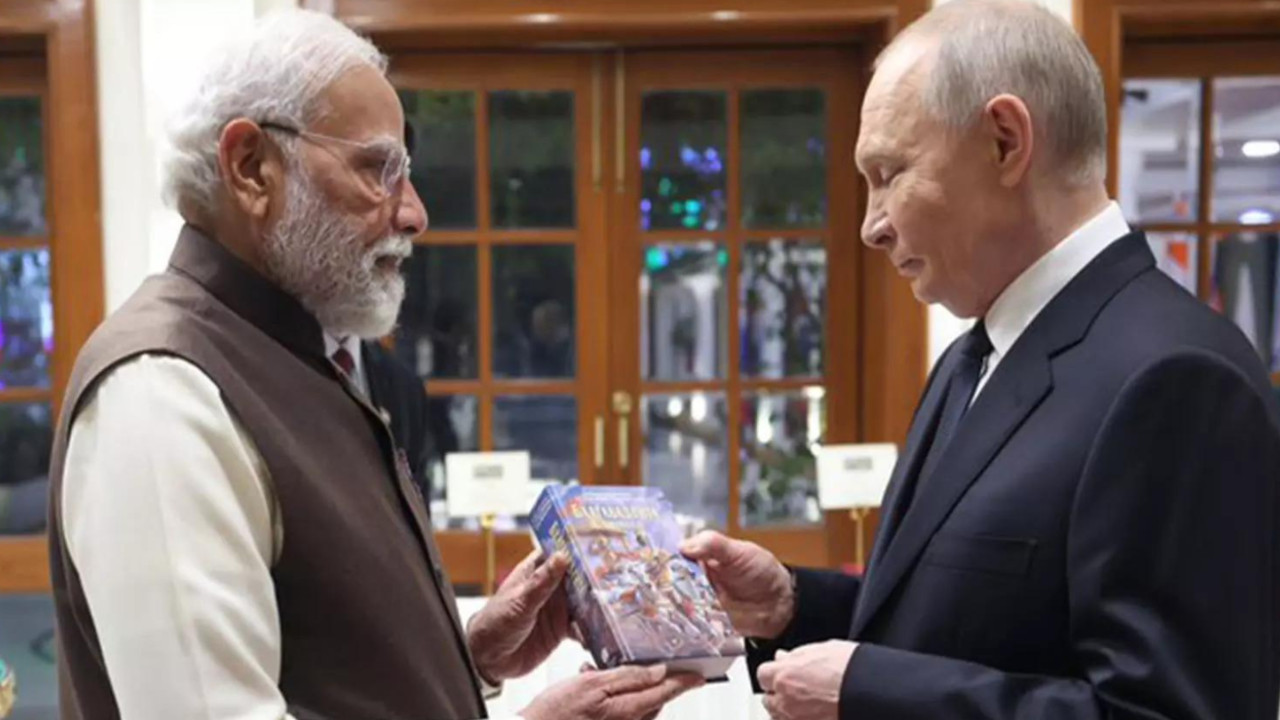
Prime Minister Modi and President Putin directed officials to expedite negotiations on a “mutually beneficial” investment agreement during their New Delhi summit. The leaders also emphasized expanding bilateral trade, particularly boosting India’s exports to Russia, and deepening energy and transport corridor cooperation.
The Winds of Change: India and Russia Chart a Course for Economic Deepening
The air crackled with anticipation as whispers of ambitious economic targets filled the room. Far from the din of geopolitical uncertainties, India and Russia are quietly forging a stronger bond, centered around a clear and compelling goal: to dramatically increase bilateral trade to a staggering $100 billion by 2030. This isn’t just about numbers; it’s about reshaping economic alliances and building resilience in a rapidly evolving global landscape.
The commitment emerged from discussions between Prime Minister Narendra Modi and President Vladimir Putin. Beyond the headline figures, the discussions underscored a shared vision for a deeper, more diversified economic partnership. The focus? Unlocking new avenues for collaboration, streamlining investment processes, and navigating the complex currents of international finance.
But how exactly do two nations, geographically distant and operating under different economic systems, plan to achieve such a bold objective?
Investment Agreement: The Key to Unlocking Potential
A cornerstone of this burgeoning partnership is the swift finalization of a Bilateral Investment Treaty. Think of it as a roadmap, laying out clear rules and protections for investors on both sides. Removing bureaucratic hurdles and fostering a predictable investment climate can unleash a torrent of capital flowing between the two nations. This treaty isn’t just about protecting existing investments; it’s a signal to businesses that India and Russia are serious about long-term collaboration. Sectors like energy, infrastructure, and technology stand to gain enormously from this increased investment flow.

Expanding Trade Horizons: Beyond Traditional Boundaries
The $100 billion target isn’t solely reliant on existing trade relationships. It requires exploring new sectors and expanding beyond traditional commodities. While energy and defense have long been pillars of the Indo-Russian relationship, there’s a growing emphasis on diversifying into areas like pharmaceuticals, agriculture, and technology. India’s strength in pharmaceuticals, for example, can complement Russia’s needs, offering affordable and high-quality medications. Similarly, collaboration in agricultural technology can boost food security for both nations.
Furthermore, the development of transportation corridors like the International North-South Transport Corridor (INSTC) promises to reduce transit times and costs, further facilitating trade and investment. This ambitious project aims to connect India with Russia via Iran and Central Asia, creating a more efficient and cost-effective trade route.
Navigating the Financial Landscape: A Rupee-Ruble Solution
A significant challenge in bolstering bilateral trade lies in navigating the complexities of international finance, especially given the current geopolitical climate. The solution? Increased use of national currencies – the Indian Rupee and the Russian Ruble – for trade settlements. This mechanism bypasses the reliance on the US dollar and reduces vulnerability to external economic pressures.
Promoting trade in national currencies isn’t just a practical solution; it’s a statement of intent – a move towards greater economic independence and a more multipolar financial world. This shift requires establishing robust mechanisms for currency convertibility and ensuring seamless transaction processing.

India Russia Trade: A Symbiotic Relationship
The pursuit of a $100 billion trade target between India and Russia isn’t simply about numbers; it signifies a deeper strategic alignment. India gains access to vital resources and advanced technology, while Russia finds a reliable market and a valuable economic partner. This relationship is built on mutual respect, shared interests, and a commitment to navigating the complexities of the global landscape together. This symbiotic connection represents a powerful force for economic growth and stability in an increasingly uncertain world.
The road ahead will undoubtedly present its challenges, but the commitment from both nations is clear. By fostering a conducive investment environment, diversifying trade, and strengthening financial cooperation, India and Russia are charting a course toward a future defined by closer economic ties and shared prosperity. This deepening relationship stands to reshape not just their own economies but also the broader dynamics of the global order.